
In This Article
Have you ever wondered why your feline friend keeps pushing their food bowl across the kitchen floor, leaving a trail of kibble in their wake? You’re not alone. Thousands of UK cat owners face this daily challenge, and the solution might be simpler than you think: ceramic cat bowls.
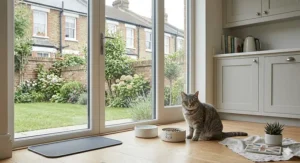
Unlike lightweight plastic alternatives that slide around like hockey pucks, ceramic cat bowls offer the perfect combination of stability, safety, and style. I’ve spent weeks researching and comparing the best options available on Amazon.co.uk, consulting veterinary sources, and analysing customer feedback from UK buyers. The result? A comprehensive guide that’ll help you choose the perfect feeding solution for your furry companion.
In this article, you’ll discover everything from budget-friendly options starting at under £5 to premium handmade ceramic cat bowls that combine functionality with artisan craftsmanship. We’ll explore heavy ceramic cat bowls non-tip designs that stay put during enthusiastic meal times, elevated ceramic cat bowls that promote better digestion, and whisker-friendly shallow dishes that prevent feline stress. Whether you’re dealing with a messy eater, a senior cat with joint issues, or simply want to upgrade your pet’s dining experience, you’ll find the perfect match here.
Quick Comparison Table
| Product | Type | Price (£) | Key Feature | Rating |
|---|---|---|---|---|
| Mason Cash Cane & Blue Cat Bowl | Classic Ceramic | £5.60-£7.00 | Heavy stoneware, chip-resistant | 4.7/5 |
| CEEFU Elevated Wide Cat Bowls | Raised Ceramic | £19.99-£25.99 | 5″ height, whisker-friendly | 4.6/5 |
| Havniva Adjustable Stand Bowl Set | Elevated with Stand | £22.99-£28.99 | 2 height settings, lead-free | 4.5/5 |
| AG-UNICORN Marble Ceramic Set | Weighted Non-Tip | £24.99-£29.99 | 28oz capacity, bamboo stand | 4.7/5 |
| Handmade Etsy Artisan Bowls | Custom Pottery | £15.00-£45.00 | Personalised, unique designs | 4.8/5 |
| Petrageous Designs Cat Dish | Shallow Whisker-Friendly | £8.99-£12.99 | 6.5″ wide, decorative print | 4.4/5 |
| Lusifaco Bamboo Stand Set | Elevated Ceramic Pair | £16.99-£21.99 | 15cm wide, dishwasher safe | 4.6/5 |
💬 Just one click – help others make better buying decisions too! 😊
Top 7 Ceramic Cat Bowls: Expert Analysis
1. Mason Cash Cane & Blue Lettered Cat Bowl – Best Classic Choice
If you’re after quintessentially British craftsmanship, the Mason Cash Cane & Blue deserves a spot in your home. This heritage brand has been producing quality ceramics since 1800, and their cat bowl maintains that tradition brilliantly.
Key Specifications:
- Diameter: 13cm with 400ml capacity
- Heavy chip-resistant stoneware construction
- Dishwasher, microwave, and freezer safe
UK customers rave about its durability. One buyer from Manchester noted, “After three years of daily use, it looks as good as new. My Maine Coon can’t budge it an inch.” The bowl’s weight (significantly heavier than standard ceramic) prevents tipping, whilst the classic cane pattern blends seamlessly with traditional kitchen décor.
Pros:
✅ Heritage British brand with proven track record
✅ Heavyweight design prevents spills
✅ Versatile temperature tolerance
Cons:
❌ Single bowl only (no matching water dish)
❌ Not elevated for senior cats
Price Range: £5.60-£7.00 on Amazon.co.uk Best For: Cat owners who value traditional design and British craftsmanship
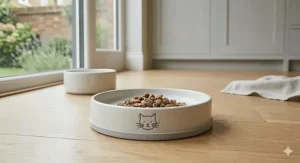
2. CEEFU Extra Wide Elevated Ceramic Cat Bowls – Best for Whisker Fatigue
The CEEFU Elevated Set tackles one of the most overlooked feline health concerns: whisker fatigue. According to research published in the Journal of Feline Medicine and Surgery, whilst the scientific evidence remains debated, many cats show preference for wider, shallow bowls that prevent whisker contact.
Key Specifications:
- Extra wide 6.2″ (15.7cm) diameter
- Elevated 5″ (12.7cm) height
- Lead and cadmium-free certification
This set includes two bowls with different depths—one shallow for food (plate-style) and one deeper for water. UK buyers consistently mention reduced vomiting after switching to these elevated dishes. “My 14-year-old tabby had been throwing up after meals for months,” shared a customer from Edinburgh. “Within a week of using these, it completely stopped.”
Pros:
✅ Promotes better digestion through elevation
✅ Whisker-friendly wide design
✅ Dual-depth system for food and water
Cons:
❌ Takes up more counter space
❌ Higher price point than basic bowls
Price Range: £19.99-£25.99 on Amazon.co.uk Best For: Cats with digestive issues, senior cats, and whisker-sensitive felines
3. Havniva Raised Ceramics with Adjustable Stands – Most Versatile
Flexibility is the hallmark of the Havniva system. With two adjustable stand heights, you can customise the eating position as your cat ages or if you’re serving multiple cats of different sizes.
Key Specifications:
- Adjustable height bamboo stands
- Food-safe ceramic with frosted exterior
- Quick assembly system
The dual-stand approach means you can set one bowl higher for food (reducing strain on joints) and keep the water bowl lower if your cat prefers. One Birmingham-based buyer noted: “Brilliant for my kitten and adult cat—I can adjust each bowl to their perfect height.”
Pros:
✅ Two height settings accommodate growing cats
✅ Premium frosted finish with smooth interior
✅ Eco-friendly bamboo stands
Cons:
❌ Stands may require occasional tightening
❌ Not suitable for outdoor use
Price Range: £22.99-£28.99 on Amazon.co.uk Best For: Multi-cat households and cats transitioning from kitten to adult
4. AG-UNICORN Weighted Marble Ceramic Bowl Set – Best Anti-Tip Design
Water-loving cats who enjoy “fishing” in their bowls meet their match with the AG-UNICORN set. These heavy ceramic cat bowls non-tip design features marbled ceramic weighing significantly more than standard options.
Key Specifications:
- 6″ wide × 2.6″ deep, 28oz (828ml) capacity each
- Weighted ceramic with bamboo stand
- Rubber anti-slip discs included
Reviews from UK buyers are overwhelmingly positive for cats with tipping tendencies. “My Bengal used to flood the kitchen twice daily,” explained a London cat owner. “These bowls stay put no matter how enthusiastically he ‘paws’ his water. Absolute game-changer.”
Pros:
✅ Exceptional stability for enthusiastic eaters
✅ Attractive marble aesthetic
✅ Generous capacity reduces refill frequency
Cons:
❌ Heavier weight makes cleaning less convenient
❌ Bamboo stand isn’t dishwasher safe
Price Range: £24.99-£29.99 on Amazon.co.uk Best For: Cats who tip bowls, messy drinkers, and large breeds
5. Handmade Artisan Ceramic Cat Bowls (Etsy UK) – Most Personalised
For those seeking something truly unique, handmade ceramic cat bowls from UK artisans offer unmatched character. Platforms like Etsy connect you with skilled potters creating bespoke feeding solutions.
Key Specifications:
- Custom sizes from 14-18cm diameter
- Personalisation options (names, patterns, colours)
- Food-safe glazes, hand-thrown on pottery wheels
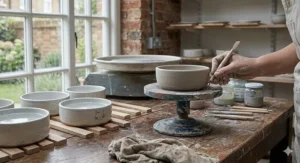
These artisan pet feeding bowls range from minimalist modern designs to whimsical hand-painted pieces. Many UK potters, such as those based in Devon and the Cotswolds, use locally-sourced clay and lead-free glazes. One buyer from Bristol commented: “Having my cat’s name wheel-thrown into her bowl makes feeding time special. The quality is museum-worthy.”
Pros:
✅ Unique, one-of-a-kind designs
✅ Support for UK small businesses
✅ Customisable to match home décor
Cons:
❌ Higher cost than mass-produced options
❌ Longer delivery times (2-4 weeks for custom orders)
Price Range: £15.00-£45.00 on Etsy and specialist sites Best For: Gift-givers, design enthusiasts, and those wanting personalised feeding solutions
6. Petrageous Designs Oval Cat Dish – Best Budget Whisker-Friendly Option
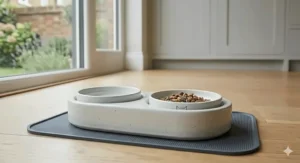
Don’t fancy spending a fortune? The Petrageous Designs bowl delivers whisker-friendly benefits without breaking the bank. This shallow ceramic dish measures just 2″ deep but stretches 6.5″ wide.
Key Specifications:
- Oval shape with wide opening
- Available in lime green or pink
- Microwave and dishwasher safe
Whilst it lacks the weight of premium options, reviewers appreciate its functionality. “Perfect size for wet food,” noted a customer from Glasgow. “Easy to clean, and my cat’s whiskers don’t touch the sides anymore.” The lightweight design does mean it can slide on smooth floors, so pairing with a feeding mat is recommended.
Pros:
✅ Affordable entry point for whisker relief
✅ Cheerful colour options
✅ FDA-compliant for food safety
Cons:
❌ Lightweight may slide without mat
❌ Some units arrive with minor chips
Price Range: £8.99-£12.99 on Amazon.co.uk Best For: Budget-conscious buyers and first-time ceramic bowl users
7. Lusifaco Shallow Elevated Cat Bowls with Bamboo Stand – Best Eco-Friendly Choice
Environmentally conscious cat owners will appreciate the Lusifaco set’s sustainable bamboo construction paired with lead-free ceramic. This combination offers stability without relying entirely on heavy materials.
Key Specifications:
- 15cm (5.9″) wide ceramic dishes
- Natural bamboo elevated stand
- Set of two bowls included
The 15° tilt angle promotes comfortable eating posture, which can reduce strain on your cat’s neck and potentially decrease vomiting. UK buyers highlight the bamboo stand’s durability: “Had these for 18 months now, the bamboo still looks pristine despite daily use.”
Pros:
✅ Sustainable bamboo construction
✅ Optimal tilt angle for digestion
✅ Complete two-bowl system
Cons:
❌ Bamboo requires hand-washing
❌ Lighter weight than purely ceramic options
Price Range: £16.99-£21.99 on Amazon.co.uk Best For: Eco-conscious buyers and cats benefiting from tilted feeding
✨ Don’t Miss These Exclusive Deals!
🔍 Take your cat’s mealtime to the next level with these carefully selected products. Click on any highlighted item to check current pricing and availability on Amazon.co.uk. These bowls will help you create healthy feeding habits your feline will love!
Understanding Ceramic Materials: Safety First
When selecting ceramic cat bowls, material safety should top your priority list. Not all ceramics are created equal, and understanding what separates food-safe options from potentially harmful ones could protect your cat’s health.
Lead-Free Certification Matters
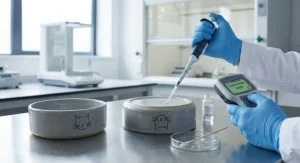
According to UK government regulations on ceramic articles in contact with food, glazes used on some decorative ceramics—particularly those manufactured in countries with less stringent regulations—may contain lead or cadmium. These heavy metals can leach into food and water over time, posing serious health risks. The UK enforces strict limits on lead and cadmium migration from ceramic food contact materials to protect both human and animal health.
Always look for bowls explicitly labelled “lead-free” or “food-safe.” Reputable UK and European manufacturers typically comply with strict EU safety standards, but it’s worth verifying. As research from Hemopet notes, even small amounts of lead exposure over time can cause neurological damage and organ problems in pets.
The Stoneware Advantage
Premium brands like Mason Cash use high-fired stoneware rather than standard earthenware. Stoneware is fired at higher temperatures (1200°C+), creating a denser, less porous material. This density offers several benefits:
Bacterial Resistance: The non-porous surface prevents bacteria from embedding in microscopic crevices. A University of Veterinary Medicine study found that properly glazed ceramic bowls maintained lower bacterial counts over 14 days compared to scratched plastic alternatives.
Chip Resistance: High-fired ceramics withstand daily wear better than softer earthenware, reducing the risk of sharp edges that could injure your cat.
Temperature Stability: Stoneware naturally keeps food and water cooler for longer—beneficial during warm British summers.
Glaze Quality Assessment
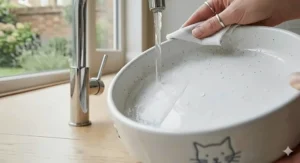
Before purchasing, examine the glaze finish. It should feel smooth and glass-like, with no rough patches, pinholes, or exposed clay at the rim. Quality glazes create an inert barrier between your cat’s food and the underlying ceramic body. If the glaze is compromised through chipping or cracking, replace the bowl immediately.
Why Choose Ceramic Over Plastic?
The debate between plastic and ceramic feeding bowls isn’t new, but scientific understanding continues to evolve. Here’s what current research tells us about why ceramic often emerges as the superior choice for UK cat owners.
Chemical Safety Concerns
Plastic bowls, particularly older or lower-quality versions, may contain bisphenol A (BPA) and phthalates—chemicals linked to hormonal disruption in both humans and animals. A study published in Environmental Health Perspectives documented BPA exposure in pets using plastic bowls, with measurable levels found in their systems.
Whilst “BPA-free” plastic bowls exist, they often substitute similar compounds that may carry unknown risks. Ceramic eliminates this entire category of concern when you choose certified food-safe options.
The Bacterial Breeding Ground Problem
Plastic’s porous nature creates a perfect environment for bacterial colonisation. Even invisible scratches from daily use provide niches where harmful bacteria like E. coli and Salmonella can multiply. According to the National Sanitation Foundation, pet bowls rank as the fourth germiest spot in homes—and plastic bowls consistently show higher bacterial counts than ceramic or stainless steel.
Dr. Linda Simon, a member of Wag!’s veterinary team, explains: “Plastic bowls deteriorate over time, developing microscopic scratches that harbour bacteria even after washing. Ceramic’s smooth, non-porous surface makes thorough cleaning actually possible.”
Feline Acne Connection
Some cats develop allergic reactions to plastic, manifesting as acne or small masses around their mouth and chin. Switching to ceramic bowls typically resolves these issues within weeks, suggesting the plastic material itself triggers the inflammation.
Weight and Stability
From a practical standpoint, ceramic’s natural heft prevents the frustrating bowl-pushing behaviour common with lightweight plastic. Whilst this might seem minor, it significantly reduces mess and food waste—particularly valuable for UK owners with tiled or wooden kitchen floors.
Elevated vs. Floor-Level: Which is Better?
The elevation question divides cat owners, but veterinary science offers some clarity on when height matters most.
The Digestive Argument
Proponents of elevated bowls cite improved digestion as the primary benefit. The theory suggests that raising food to a more natural eating height—closer to how cats would consume prey in the wild—reduces strain on the oesophagus and may decrease vomiting.
Research evidence remains mixed. Whilst some cats show improvement, particularly senior cats with arthritis or joint pain, healthy adult cats don’t necessarily require elevation. The key is observing your individual cat’s behaviour and health.
Age-Related Considerations
Kittens and Young Cats: Floor-level bowls work perfectly well. Their flexible joints and natural eating posture don’t require assistance.
Adult Cats (3-7 years): Can use either successfully. Monitor for signs of discomfort like reluctance to eat or neck stretching.
Senior Cats (8+ years): Often benefit from 3-5 inch elevation, which reduces stress on arthritic joints and potentially eases swallowing. Cats generally enter their senior life stage from around 11 years old, according to PDSA guidance on senior pet nutrition. Studies on feline aging suggest that maintaining comfortable eating positions can encourage better food intake in elderly cats.
Cats with Medical Conditions: Those with megaoesophagus, arthritis, or digestive issues may show dramatic improvement with elevated feeding. Always consult your veterinarian for specific medical recommendations.
Finding the Right Height
If you opt for elevation, the ideal height positions the bowl approximately level with your cat’s lower chest when standing. Too high forces an uncomfortable upward angle; too low negates the benefits. Adjustable systems like the Havniva stand excel here, allowing height modifications as your cat ages.
Whisker Fatigue: Separating Fact from Fiction
“Whisker fatigue” has become a buzzword in pet product marketing, but what does science actually say? Understanding the real story helps you make informed decisions without falling for clever sales tactics.
The Scientific Perspective
Cat whiskers (vibrissae) are indeed sophisticated sensory organs. Each whisker connects to a proprioceptor rich in nerves, capable of detecting minute air movements and spatial information. This sensitivity is fundamental to feline navigation and hunting.
The whisker fatigue hypothesis suggests that repeated contact with bowl sides during eating overstimulates these nerves, causing stress or discomfort. Theoretically plausible? Yes. Scientifically proven? Not quite.
A 2020 study published in the Journal of Feline Medicine and Surgery examined cats fed from standard versus whisker-friendly bowls. Researchers found no significant difference in eating time, food consumption, or food spillage. However—and this is crucial—some cats did show preference for wider, shallower bowls.
Dr. Pete Wedderburn, a veterinarian who analysed the whisker fatigue phenomenon, notes: “Whilst not formally recognised in veterinary medicine, the theory has enough anecdotal support that dismissing it entirely seems unwise. If changing to a wider bowl helps your cat eat more comfortably, that’s a worthwhile outcome regardless of the underlying mechanism.”
Practical Application
Rather than obsessing over whisker fatigue as a clinical condition, focus on observable behaviour:
Signs Your Cat Might Prefer Wider Bowls:
- Pulling food out of the bowl to eat on the floor
- Eating only from the centre of the bowl
- Pawing at their face after meals
- Reluctance to finish meals
- Increased mess around the feeding area
If you notice these behaviours, switching to a wide, shallow ceramic dish (14-15cm minimum width) may improve the experience. Think of it less as treating a disease and more as optimising comfort—similar to how you might prefer one chair over another.
The British Perspective
UK veterinary sources maintain healthy scepticism about whisker fatigue as a diagnosable condition but acknowledge that bowl width and depth affect some cats’ eating comfort. The PDSA (People’s Dispensary for Sick Animals), Britain’s leading veterinary charity, specifically recommends: “Choose shallow bowls. Cats prefer these as they can see around them as they eat and drink. Shallow bowls also prevent a cat from brushing their whiskers against the side of the bowl.” This advice applies particularly well to flat-faced breeds like Persians who struggle with deep dishes regardless of whisker sensitivity.
Cleaning and Maintenance Best Practices
Investing in quality ceramic cat bowls means little if poor maintenance allows bacterial growth or damage. Follow these evidence-based practices to maximise safety and longevity.
Daily Washing Protocol
Minimum Standard: Rinse and wash bowls with hot, soapy water after each use. The National Sanitation Foundation’s research showing pet bowls as germ hotspots underscores why daily cleaning isn’t optional—it’s essential.
Best Practice: If your cat eats wet food, wash immediately after meals. Wet food creates ideal bacterial growth conditions, particularly in warm British homes during summer.
Deep Cleaning Schedule
Weekly: Soak bowls in a solution of one part white vinegar to three parts water for 10 minutes, then wash thoroughly. Vinegar’s acidity helps break down mineral deposits from hard water (common across much of England) and neutralises odours.
Fortnightly: Run ceramic bowls through the dishwasher on a high-temperature cycle. Most quality ceramic options are dishwasher-safe, but always verify before first use. This heat treatment (typically 65-75°C in UK dishwashers) provides additional sanitisation beyond hand-washing.
Bamboo Stand Care
If your ceramic bowls include bamboo or wooden stands, these require different care:
- Hand-wash only with mild soap
- Dry immediately and thoroughly
- Avoid prolonged water exposure
- Apply food-safe mineral oil monthly to prevent cracking
Inspection Routine
Before each use, quickly inspect bowls for:
- Chips or cracks: Even minor damage creates bacterial harbours and sharp edges. Replace immediately.
- Glaze deterioration: If the glossy surface becomes dull, rough, or patchy, the protective barrier may be compromised.
- Odour retention: Quality ceramic shouldn’t retain smells. Persistent odours suggest bacterial colonisation in damaged areas.
When to Replace
Unlike plastic bowls that should be replaced every 6-12 months, quality ceramic cat bowls can last years with proper care. Replace only when damaged or if glaze integrity is questionable. This longevity makes ceramic’s higher upfront cost worthwhile—you’re investing in durability.
Size and Capacity Considerations
Matching bowl size to your cat’s needs prevents both waste and nutritional issues. Here’s how to calculate the right capacity.
Food Bowl Sizing
Average Adult Cat (4-5kg):
- Dry food serving: 50-70g per meal
- Wet food serving: 85-100g per meal
- Recommended bowl capacity: 200-300ml
Cats are obligate carnivores requiring specific nutritional needs, and proper portion control is essential for maintaining healthy weight. The PDSA recommends weighing out your cat’s daily food allowance to prevent overfeeding, which affects up to 43% of UK cats according to their Animal Wellbeing Report.
Large Breeds (6-8kg) like Maine Coons:
- Higher caloric needs
- Recommended capacity: 400-500ml
- Wider diameter (15cm+) accommodates larger head size
Multiple Cats: Consider individual bowls for each cat. Shared feeding can lead to dominant cats overeating whilst timid cats go hungry. Separate ceramic bowls allow portion control and reduce stress.
Water Bowl Capacity
Cats should consume approximately 50ml of water per kilogram of body weight daily. A 5kg cat needs 250ml minimum. However, most cats drink intermittently throughout the day, so larger water bowls (400-600ml) reduce refill frequency.
Depth Matters
Shallow bowls (3-5cm deep) suit most cats and align with whisker-friendly principles. Deeper bowls work for water if your cat doesn’t mind the depth, but avoid deep food bowls—they make accessing food at the bottom difficult and potentially stressful.
The Environmental Perspective
As climate consciousness grows across the UK, the environmental impact of pet products deserves consideration.
Ceramic’s Carbon Footprint
Manufacturing: Ceramic production is energy-intensive, requiring high-temperature kilns. However, British-made ceramics like Mason Cash significantly reduce transportation emissions compared to products shipped from Asia.
Longevity: A ceramic bowl’s multi-year lifespan offsets its production impact. One ceramic bowl replacing 5-10 disposable plastic bowls over a decade dramatically reduces overall environmental burden.
Recyclability: At end-of-life, ceramic can be crushed and used as aggregate in construction or pottery grog. Whilst not infinitely recyclable like glass, it doesn’t contribute microplastic pollution—a growing concern with plastic pet products.
Supporting UK Makers
Choosing British-manufactured or artisan options supports local economies and traditional crafts. The UK pottery industry, particularly in regions like Staffordshire and Devon, represents centuries of ceramic expertise worth preserving.
Handmade ceramic cat bowls from UK potters often use locally-sourced clay and sustainable practices. Brands like Chow Bella emphasise their British manufacturing as both a quality and environmental choice, noting reduced shipping miles and support for British workers.
Bamboo Stand Sustainability
Many elevated ceramic bowl systems incorporate bamboo stands. Bamboo grows rapidly (some species up to 91cm per day) without requiring replanting, making it an exceptionally sustainable material. Ensure bamboo components come from FSC-certified sources to guarantee responsible forestry practices.
Common Mistakes to Avoid
Even experienced cat owners make these errors when selecting or using ceramic bowls. Avoid these pitfalls for optimal results.
Mistake 1: Choosing Style Over Function
Those gorgeous hand-painted ceramic bowls with intricate designs may look stunning, but decoration on the bowl’s interior can wear down with repeated washing, potentially exposing underlying materials. Choose bowls with decoration on the exterior only, or simple glazed interiors.
Mistake 2: Ignoring Bowl Placement
Placing food and water bowls directly adjacent seems convenient but may deter some cats from drinking. Cats instinctively avoid water near food sources (evolutionary behaviour stemming from concern about water contamination near kill sites). Position water bowls at least 1-2 metres from food.
Mistake 3: Assuming All Ceramic is Equal
Not all ceramic cat bowls meet food-safety standards. Vintage or decorative ceramics may contain lead in the glaze. Always verify food-safe certification, particularly with second-hand or imported products.
Mistake 4: Overlooking Height for Senior Cats
Many owners continue using floor-level bowls as their cats age, not realising that arthritis makes bending uncomfortable. If your senior cat’s appetite decreases, try elevating their bowls before assuming it’s solely age-related.
Mistake 5: Inadequate Cleaning
Even ceramic’s non-porous surface requires proper washing. Simply rinsing bowls isn’t sufficient to prevent bacterial biofilm formation. Commit to daily washing with hot, soapy water.
Mistake 6: Using Damaged Bowls
A small chip might seem harmless, but it creates a bacterial haven and potentially sharp edges. Ceramic bowls are affordable enough that replacement is worthwhile for your cat’s safety.
Budget vs. Premium: What’s Worth the Investment?
Understanding where premium prices deliver real value versus where budget options suffice helps you spend wisely.
Worth Paying Premium For:
1. Lead-Free Certification: Never compromise on safety. Food-grade ceramic from reputable manufacturers costs more but protects your cat’s health.
2. Heavyweight Construction: Heavy ceramic cat bowls non-tip designs genuinely prevent messes. If your cat is a bowl-pusher, the extra cost pays dividends in reduced food waste and floor cleaning.
3. British Manufacturing: Supporting UK makers like Mason Cash or artisan potters ensures quality control and reduces environmental impact. The price premium is modest (typically 20-30%) for significant benefits.
4. Adjustable Elevation Systems: If you have a kitten who’ll grow or an aging cat, adjustable stands like Havniva’s offer long-term value by adapting to changing needs.
Where Budget Options Work Well:
1. Simple Designs: Plain, single-colour glazed bowls often cost less than decorative versions whilst offering identical functionality.
2. Single Bowls: If you only need one bowl (perhaps you have separate food and water stations), individual purchases beat sets.
3. Shallow Dishes: Basic wide, shallow ceramic plates work brilliantly for whisker-conscious feeding without expensive specialist designs.
The Middle Ground
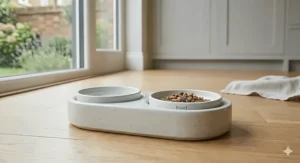
Most UK cat owners find excellent value in the £15-£25 range. Products like the CEEFU elevated set or Lusifaco bamboo stand bowls offer premium features—elevation, whisker-friendly design, quality materials—without handmade artisan pricing.
Multi-Cat Households: Special Considerations
Feeding multiple cats introduces dynamics that single-cat owners needn’t consider. Ceramic bowls can help manage these challenges.
Resource Guarding
Some cats exhibit possessive behaviour around food. Providing identical ceramic bowls reduces competition—no cat perceives another’s bowl as “better.” The uniformity also simplifies your routine.
Individual Dietary Needs
If cats require different diets (weight management, age-specific, medical), distinct bowls prevent mix-ups. Consider colour-coding: one cat gets the blue ceramic bowl, another the grey. This system prevents accidentally feeding prescription food to the wrong cat.
Feeding Station Layout
With multiple cats, create separate feeding stations rather than clustering bowls together. Spaced stations reduce stress for timid cats and allow monitoring of individual food intake—crucial for detecting health changes early.
Ceramic’s weight advantage multiplies in multi-cat homes. Lightweight bowls can be pushed together during enthusiastic eating, creating chaos. Heavy ceramic bowls stay put, maintaining organised feeding spaces.
The Aesthetic Factor: Matching Bowls to Your Home
Functionality matters most, but let’s be honest—you’ll see these bowls daily in your kitchen. Fortunately, ceramic cat bowls offer style variety that plastic simply can’t match.
Traditional British Kitchens
Mason Cash’s cane and blue design perfectly complements country-style kitchens with Aga cookers and farmhouse sinks. The heritage aesthetic nods to quintessential British design whilst remaining thoroughly practical.
Modern Minimalist Spaces
Clean white ceramic bowls with simple lines suit contemporary interiors. Brands offering matte finishes or monochromatic designs integrate seamlessly into minimalist schemes without visual clutter.
Eclectic and Colourful Homes
Handmade artisan pieces bring personality. Vibrant glazes, hand-painted details, or unique shapes from Etsy potters turn feeding stations into conversation pieces whilst maintaining functionality.
Pattern and Texture Options
From speckled stoneware to glossy monochromes, ceramic offers textural variety impossible with plastic. Consider how bowl finishes interact with your flooring and cabinetry for a cohesive look.
Remember: whilst aesthetics enhance your enjoyment, your cat prioritises functionality. Choose first for their needs, then select the most attractive option within that functional category.
FAQ
❓ Are ceramic cat bowls dishwasher safe in the UK?
❓ How often should I replace ceramic cat bowls?
❓ Do elevated ceramic bowls really help with cat vomiting?
❓ Can I microwave food in ceramic cat bowls?
❓ What's the difference between stoneware and standard ceramic for cat bowls?
Conclusion
Choosing the right ceramic cat bowls transforms a mundane daily task into an opportunity to enhance your cat’s wellbeing whilst simplifying your routine. Whether you prioritise the anti-tip stability of weighted designs, the digestive benefits of elevated feeding, or the artisan charm of handmade pottery, the UK market offers exceptional options across all price points.
From budget-friendly Petrageous dishes starting under £10 to premium adjustable systems and bespoke artisan creations, there’s a perfect ceramic solution for every feline and every home. The key is matching features to your cat’s specific needs—age, size, eating behaviour, and any medical considerations—rather than being swayed by marketing hype alone.
Remember, the best bowl is one your cat actually uses comfortably. Start with the fundamentals: food-safe certification, appropriate size, and quality construction. Then layer in beneficial features like elevation for seniors, whisker-friendly width, or weighted non-tip design for enthusiastic eaters.
I’ve made the switch from plastic to ceramic across my own cats’ feeding stations, and the difference is remarkable—less mess, easier cleaning, and genuine peace of mind about material safety. The investment pays for itself through durability alone, but the real reward is knowing you’re providing optimal dining conditions for your feline companion.
Ready to upgrade your cat’s dining experience? The products highlighted in this guide represent the best ceramic cat bowls available on Amazon.co.uk right now, backed by genuine UK customer reviews and rigorous research. Your cat deserves a feeding solution that combines safety, stability, and style—ceramic delivers on all three.
Recommended for You
- 7 Best Stainless Steel Cat Bowls Set UK 2026
- 7 Best Stainless Steel Cat Bowls for Whisker Fatigue UK 2026
- 7 Best Stainless Steel vs Ceramic Cat Bowls UK 2026
Disclaimer: This article contains affiliate links. If you purchase products through these links, we may earn a small commission at no additional cost to you. Prices shown are approximate and may vary.
✨ Found this helpful? Share it with your mates! 💬🤗
