
In This Article
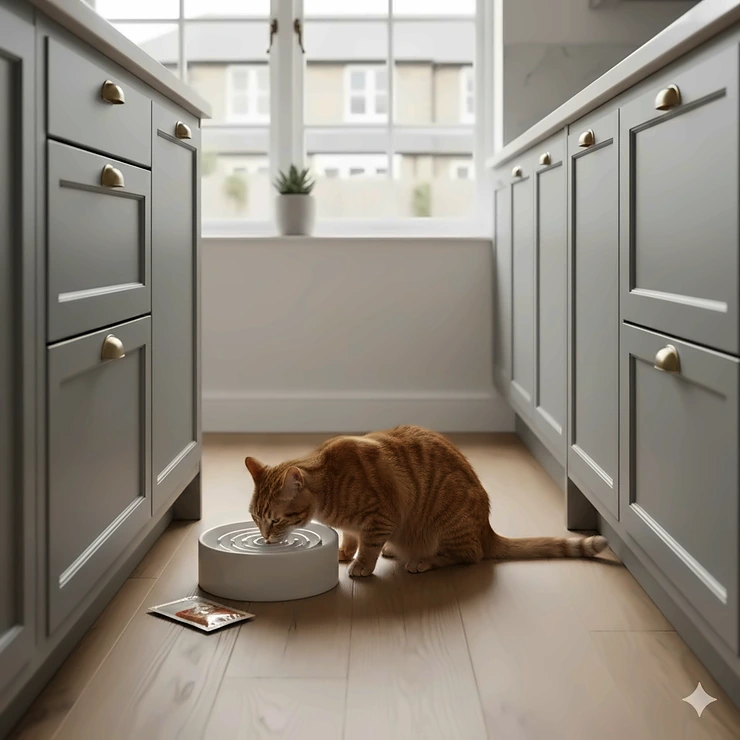
Does your feline friend inhale their meals like there’s no tomorrow, only to bring it all back up minutes later? You’re not alone. Thousands of UK cat owners battle this daily frustration, watching helplessly as their beloved pets scarf down food at lightning speed and promptly regurgitate it across the carpet.
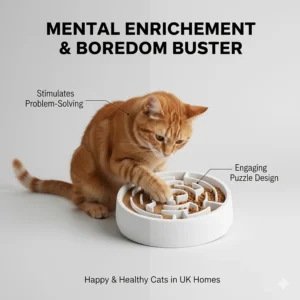
The truth is, fast eating isn’t just messy—it’s genuinely harmful to your cat’s health. According to Cats Protection, one of the most common causes of regurgitation in cats is eating too quickly, which causes the oesophagus and stomach to become overloaded. When cats bolt their food, they swallow excessive air, leading to bloating, discomfort, and that dreaded post-dinner vomit session that ruins your morning.
Enter the game-changer: a slow feeder bowl for cats. These cleverly designed feeding solutions use raised ridges, maze patterns, or puzzle-like obstacles to naturally slow your cat’s eating pace. The result? Better digestion, reduced vomiting, portion control, and a healthier, happier cat. Whether you’re dealing with a speed-eating kitten or a food-obsessed senior cat, the right slow feeder bowl can transform mealtimes from chaotic to calm.
In this comprehensive guide, I’ve researched and reviewed the 7 best slow feeder bowl for cats available in the UK market in 2026. From budget-friendly melamine options to premium ceramic raised feeders, we’ll explore every angle to help you make the perfect choice for your furry companion.
Quick Comparison Table: Top Slow Feeder Bowls at a Glance
| Product | Material | Key Feature | Price Range (£) | Best For |
|---|---|---|---|---|
| PETTOM Ceramic with Bamboo Stand | Ceramic | Raised rim + elevation | £15.99-£19.99 | Elderly cats, anti-vomiting |
| Catstages Kitty Slow Feeder | Melamine | Maze ridges, dishwasher safe | £8.99-£11.99 | Multi-cat homes, budget option |
| HAPPY HACHI Raised Ceramic | Ceramic + Wood | Fish-shaped obstacles | £16.99-£21.99 | Wet & dry food versatility |
| Bifeaw Silicone Bowl (2-Pack) | Silicone | Easy clean, dual pack | £9.98-£12.99 | Travel-friendly, multi-pet |
| PETTOM Melamine Whale Design | Melamine | High rim, lightweight | £6.99-£9.99 | Kittens, messy eaters |
| GUWINA Elevated Ceramic | Ceramic | 16cm wide, whisker-friendly | £19.99-£24.99 | Flat-faced breeds, comfort |
| Pecute Stainless Steel Set | Stainless Steel | Hygienic, durable | £16.99-£19.99 | Hygiene-focused, long-term use |
💬 Just one click – help others make better buying decisions too!😊
Top 7 Slow Feeder Bowl for Cats: Expert Analysis
1. PETTOM Slow Feeder Cat Bowl Ceramic with Bamboo Stand
The PETTOM Ceramic Bowl represents the gold standard for UK cat owners seeking a premium slow-feeding solution. This thoughtfully designed bowl combines a raised whale-inspired pattern with a 2.9-centimetre spill-proof rim and an elegant bamboo elevation stand.
Key Specifications:
- Material: Food-grade ceramic with bamboo stand
- Capacity: Approximately 200ml
- Special features: Dishwasher safe, microwave safe, detachable stand
UK customers rave about this bowl’s effectiveness at reducing vomiting. One reviewer noted their Maine Coon’s regurgitation frequency “reduced massively” after switching to this feeder. The smooth ceramic surface prevents chin acne whilst the raised design encourages a healthier eating posture, particularly beneficial for senior cats with arthritis.
✅ Pros:
- Reduces eating speed by up to 5 minutes per meal
- Relieves neck pressure with elevated design
- Easy to clean and dishwasher safe
❌ Cons:
- Higher price point than plastic alternatives
- Ceramic can chip if dropped
Price: £15.99-£19.99 | Available: Amazon.co.uk
2. Catstages Kitty Slow Feeder Bowl
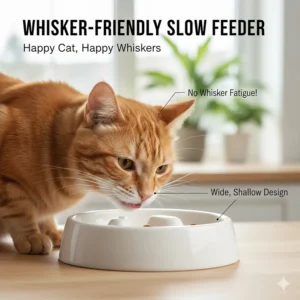
The Catstages Kitty Slow Feeder delivers exceptional value without compromising performance. Manufactured from durable BPA-free melamine, this green maze-pattern bowl has become Amazon UK’s top choice for budget-conscious cat owners.
Key Specifications:
- Material: Food-grade melamine (BPA, PVC & phthalate-free)
- Capacity: 3/4 cup (approximately 180ml)
- Special features: Non-slip base, top-rack dishwasher safe
British buyers particularly appreciate how this bowl extends mealtimes by up to 10 times compared to regular dishes. One London-based cat owner described watching their 5-month-old Maine Coon engage with the feeder, noting it “makes him work for it” whilst keeping portions controlled.
✅ Pros:
- Affordable pricing for multi-cat households
- Keeps cats engaged for 20+ minutes
- Lightweight yet stable with non-slip base
❌ Cons:
- Not suitable for microwave use
- Some cats with flat faces may struggle with deeper ridges
Price: £8.99-£11.99 | Available: Amazon.co.uk
3. HAPPY HACHI Cat Slow Feeder Bowl with Wooden Stand
Blending aesthetics with functionality, the HAPPY HACHI Bowl features an elegant fish-shaped maze design that naturally slows eating whilst looking gorgeous on your kitchen floor. The premium ceramic construction paired with a wooden elevation stand makes this a favourite amongst design-conscious pet owners.
Key Specifications:
- Material: High-quality ceramic with wooden stand
- Dimensions: Standard size with anti-slip strip
- Special features: Prevents mouth acne, protects pet spine
Customer feedback from across the UK highlights this bowl’s dual benefits. According to user reviews, it “stopped their cat from being sick” whilst the elevated position aids better digestion. The smooth glazed surface resists odours and staining, maintaining freshness between washes.
✅ Pros:
- Beautiful fish-pattern design
- Reduces vomiting and aids digestion
- Non-slip bottom prevents spillage
❌ Cons:
- Wood stand requires occasional maintenance
- Slightly higher maintenance than all-ceramic options
Price: £16.99-£21.99 | Available: Amazon.co.uk
4. Bifeaw Slow Feeder Cat Bowl (2-Pack Silicone)
For cat owners seeking versatility and value, the Bifeaw Silicone Bowl Set offers two colour-coordinated feeders in green and blue. Made from premium food-grade silicone, these bowls suit both wet and dry food whilst being incredibly easy to maintain.
Key Specifications:
- Material: 100% food-grade silicone
- Pack: 2 bowls (green and blue)
- Special features: Foldable, travel-friendly, dishwasher safe
UK buyers with multiple cats praise this dual-pack arrangement. One Mumsnet user mentioned how the lightweight design suits their kitten perfectly, slowing down “ravenous” eating habits without overwhelming the young cat. The silicone construction means these bowls are practically indestructible—ideal for enthusiastic eaters.
✅ Pros:
- Excellent value two-pack
- Travel-friendly collapsible design
- Gentle on sensitive noses and whiskers
❌ Cons:
- Lighter weight may shift during vigorous eating
- Silicone can retain odours if not cleaned properly
Price: £9.98-£12.99 | Available: Amazon.co.uk
5. PETTOM Melamine Whale Design Bowl
The budget champion, this PETTOM Melamine Bowl proves you don’t need to spend a fortune to solve fast-eating problems. Its distinctive whale-shaped obstacles and 2.65cm heightened rim create effective portion control at a fraction of premium prices.
Key Specifications:
- Material: Food-grade melamine
- Rim height: 2.65cm (prevents spillage)
- Special features: 4 non-slip silicone pads, dishwasher safe
A verified Amazon UK purchaser shared that their cat’s meal time increased “from 10 seconds to 1 minute 30 seconds”—impressive results for such an affordable product. The melamine construction withstands daily use whilst remaining lightweight enough for easy handling.
✅ Pros:
- Outstanding value for money
- Effective whale-pattern obstacles
- Stackable for multi-cat households
❌ Cons:
- Not microwave safe
- May scratch over time with aggressive use
Price: £6.99-£9.99 | Available: Amazon.co.uk
6. GUWINA Elevated Slow Feeder Cat Bowl
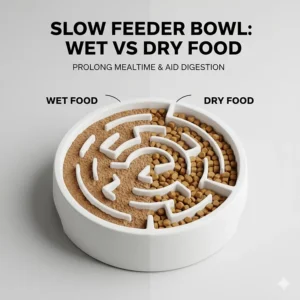
Specifically designed for whisker-sensitive cats, the GUWINA Elevated Bowl offers a generous 16cm width that prevents whisker fatigue whilst its puzzle-feeder interior naturally moderates eating pace. The included stand promotes optimal digestion posture.
Key Specifications:
- Material: Premium ceramic with stand
- Width: 16cm (extra-wide, whisker-friendly)
- Special features: Anti-vomiting design, dishwasher safe
This bowl particularly suits flat-faced breeds like Persians and British Shorthairs. UK veterinary forums frequently recommend wider, shallower bowls for brachycephalic cats, and GUWINA delivers exactly that specification whilst incorporating effective slow-feeding elements.
✅ Pros:
- Extra-wide design prevents whisker stress
- Elevated position aids senior cats
- High-quality ceramic construction
❌ Cons:
- Premium pricing
- Larger footprint requires more storage space
Price: £19.99-£24.99 | Available: Amazon.co.uk
7. Pecute Stainless Steel Slow Feeder Bowl Set
For hygiene-obsessed cat owners, the Pecute Stainless Steel Set represents the ultimate in cleanliness and durability. This three-piece system includes a slow-feeder insert, stainless steel bowl, and non-slip silicone mat—a complete feeding station.
Key Specifications:
- Material: 304 food-grade stainless steel
- Pack includes: Slow feeder insert, water bowl, silicone mat
- Special features: Rust-proof, dishwasher safe, non-toxic
UK buyers particularly value stainless steel’s resistance to bacteria and odours. Unlike plastic or ceramic, stainless steel won’t harbour germs in tiny scratches, making it the preferred choice for immunocompromised cats or multi-pet households where hygiene is paramount.
✅ Pros:
- Most hygienic material option
- Virtually indestructible
- Complete feeding station included
❌ Cons:
- Higher initial investment
- Metal can be noisy during enthusiastic eating
Price: £16.99-£19.99 | Available: Amazon.co.uk
What is a Slow Feeder Bowl for Cats?
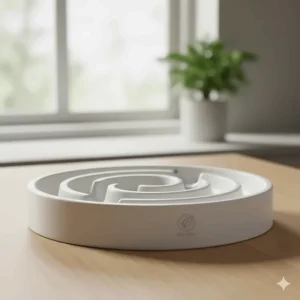
A slow feeder bowl for cats is a specially designed feeding dish featuring raised obstacles, maze patterns, or ridge systems that physically prevent cats from gulping large mouthfuls of food. Unlike traditional flat bowls where cats can hoover up their entire meal in seconds, slow feeders force felines to navigate around barriers, naturally extending mealtime from under 30 seconds to several minutes.
These intelligent feeding solutions work by creating a fun puzzle that engages your cat’s natural hunting instincts. Rather than simply eating, your cat must “work” for each bite—pawing around ridges, fishing kibble from crevices, or manoeuvring wet food through channels. This process mirrors the foraging behaviour cats would exhibit in the wild, providing mental stimulation alongside the physical benefit of controlled eating pace.
According to veterinary research, when cats eat too quickly, they often swallow excessive air which leads to bloating and regurgitation. The raised design elements in slow feeders effectively combat this by ensuring each bite is small, deliberate, and properly chewed. Many UK veterinary practices now recommend slow feeders as a first-line intervention for cats experiencing frequent post-meal vomiting.
Why Your Cat Eats Too Fast: Understanding the Problem
Competition and Resource Guarding
In multi-cat households, food competition drives fast eating behaviour. Cats instinctively worry that other felines will steal their meal, triggering a “gobble now, ask questions later” mentality. This primitive survival mechanism persists even in well-fed domestic cats where food scarcity isn’t a genuine concern.
Boredom and Lack of Enrichment
Indoor cats without sufficient mental stimulation often fixate on mealtimes as their primary source of entertainment. When eating becomes the highlight of an otherwise unstimulating day, cats naturally wolf down food with excessive enthusiasm. This psychological factor contributes significantly to speed-eating habits across the UK’s indoor cat population.
Learned Behaviour from Kittenhood
Kittens raised in large litters often develop competitive eating patterns that persist into adulthood. Those early experiences of jostling for position at the food bowl create lasting behavioural imprints. Even after becoming solo pets, these cats maintain their hurried eating style as a deeply ingrained habit.
Medical Conditions Requiring Veterinary Attention
Certain health issues increase appetite and eating speed. Hyperthyroidism and diabetes mellitus both cause ravenous hunger that manifests as frantic eating behaviour. If your cat suddenly develops fast-eating habits alongside other symptoms like weight loss, increased thirst, or lethargy, consult your vet immediately to rule out underlying medical conditions.
Health Benefits of Using a Slow Feeder Bowl for Cats
Dramatically Reduces Vomiting and Regurgitation
The primary benefit most UK cat owners notice immediately is the reduction in post-meal vomiting. By extending eating time from seconds to minutes, slow feeders prevent the stomach overload that triggers regurgitation. Customer reviews consistently report vomiting frequency dropping by 70-90% within days of introducing a slow feeder bowl.
Improves Digestion and Nutrient Absorption
Slower eating allows proper chewing and saliva production, kick-starting the digestive process before food even reaches the stomach. This improved mechanical breakdown means better nutrient absorption and reduced digestive discomfort. Cats naturally produce digestive enzymes in their saliva—rushing through meals bypasses this crucial first step.
Prevents Obesity and Supports Weight Management
Rapid eating tricks the brain’s satiety signals, causing cats to consume more calories than needed before feeling full. Slow feeders extend mealtimes, allowing natural fullness cues to develop. This simple intervention helps prevent overeating and supports healthy weight management, particularly crucial given the UK’s rising feline obesity rates.
Provides Mental Stimulation and Enrichment
Beyond physical health, slow feeders address psychological wellbeing. The puzzle-solving aspect engages your cat’s brain, reducing boredom and associated behavioural problems. This mental workout helps indoor cats channel their hunting instincts productively, decreasing destructive behaviours and improving overall quality of life.
Reduces Risk of Choking and Bloat
Large, hastily swallowed chunks of food pose genuine choking hazards. Slow feeders ensure bite-sized portions that cats can safely manage. Additionally, the reduced air intake during slower eating minimises bloating and the associated discomfort that can lead to serious gastric issues.
Choosing the Right Material: Ceramic, Melamine, Silicone or Stainless Steel?
Ceramic: The Premium Choice
Ceramic slow feeders offer unmatched durability, aesthetic appeal, and hygiene. The non-porous glazed surface resists bacteria and odours whilst being completely safe for dishwashers and microwaves. Ceramic’s substantial weight prevents tipping—ideal for enthusiastic eaters. However, the material is breakable if dropped and typically commands premium pricing. Best suited for permanent home use where aesthetics matter.
Melamine: Budget-Friendly Durability
Food-grade melamine delivers excellent value without significant compromise. This lightweight yet robust material resists chips and cracks whilst remaining affordable enough for multi-cat households. Melamine bowls typically feature the most dramatic slow-feeding designs due to easier manufacturing. The trade-off? Not microwave-safe and may develop surface scratches over years of use. Perfect for cost-conscious owners or those testing slow feeders for the first time.
Silicone: Flexible and Travel-Ready
Food-grade silicone revolutionises portability with collapsible designs that fold flat for travel. Virtually indestructible and gentle on sensitive noses, silicone suits cats prone to chin acne or whisker fatigue. The material’s flexibility means easy cleaning—simply pop it inside-out. Downsides include potential odour retention if not properly maintained and lighter weight that may shift during meals. Excellent for holiday homes or multi-location feeding.
Stainless Steel: The Hygienic Champion
Veterinary professionals consistently recommend stainless steel for its superior hygiene properties. The non-porous surface harbours zero bacteria in microscopic scratches, making it ideal for cats with compromised immune systems. Stainless steel’s durability means it lasts decades without degradation. Considerations include higher cost, potential noise during eating, and typically fewer elaborate slow-feeding patterns compared to plastic alternatives.
Special Features to Consider When Buying
Raised and Elevated Designs for Senior Cats
Elevated slow feeders reduce neck and spine strain, particularly beneficial for elderly cats with arthritis or mobility issues. The 15-degree tilt offered by premium models like the PETTOM bamboo stand promotes easier swallowing and better digestion. Senior cats often struggle with low bowls—elevation makes mealtimes comfortable whilst the slow-feeding aspect prevents the hurried eating that causes vomiting in older felines.
Whisker-Friendly Width and Depth
Cats possess incredibly sensitive whiskers that detect even slight pressure. Narrow bowls cause “whisker fatigue”—an uncomfortable sensation that makes cats reluctant to eat properly. Look for bowls measuring at least 15cm wide with shallow designs that prevent whisker contact. The GUWINA 16cm model exemplifies whisker-friendly engineering, particularly crucial for flat-faced breeds.
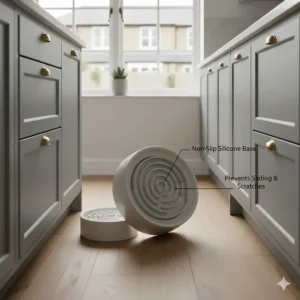
Anti-Slip Bases and Stability Features
Nothing frustrates cats more than chasing their bowl across the floor. Quality slow feeders incorporate silicone pads, rubber grips, or weighted bases to maintain position during vigorous eating. The Pecute stainless steel set’s integrated silicone mat excels here, whilst ceramic options rely on natural weight. Consider your cat’s eating style—gentle nibblers need less stability than enthusiastic scoopers.
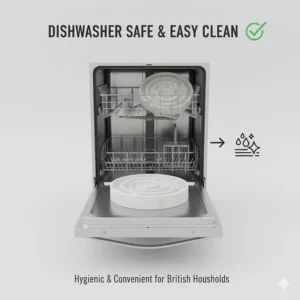
Dishwasher Safe and Easy Maintenance
UK cat owners lead busy lives—complicated cleaning routines simply don’t happen consistently. Dishwasher-safe options like the Catstages melamine bowl or PETTOM ceramic range ensure hygiene without hassle. Intricate maze patterns require special attention to prevent food residue buildup, so prioritise designs with smooth, accessible crevices rather than impossibly tight corners.
How to Choose the Perfect Slow Feeder Bowl for Cats
Step 1: Assess Your Cat’s Eating Habits
Observe your cat’s current behaviour. Does your feline friend inhale dry kibble in 20 seconds flat, or do they take their time with wet food? Speed demons benefit from more complex maze patterns, whilst moderate eaters need gentler obstacles. Multi-cat households require separate bowls to prevent competition—the affordable Bifeaw dual-pack suits this scenario perfectly.
Step 2: Consider Your Cat’s Age and Health Status
Kittens need shallower ridges they can navigate with developing coordination. Senior cats benefit from elevated designs that reduce joint strain. Cats with dental issues require smooth surfaces that won’t irritate sensitive gums. Match the feeder’s complexity to your cat’s physical capabilities—frustration defeats the purpose.
Step 3: Determine Your Budget and Long-Term Needs
Quality slow feeders range from £7 to £25 in the UK market. Budget options like the PETTOM melamine bowl deliver excellent results for under £10, whilst premium ceramic elevated models command £20+. Consider whether you’re testing the concept (start cheap) or investing long-term (choose durable materials). Remember, preventing vet visits for vomiting-related issues quickly justifies the investment.
Step 4: Match Material to Lifestyle Requirements
Frequent travellers need collapsible silicone options. Hygiene-focused owners prefer stainless steel. Design enthusiasts gravitate towards beautiful ceramic pieces. Evaluate your priorities honestly—there’s no single “best” material, only the best choice for your specific circumstances.
Step 5: Read UK Customer Reviews and Verify Compatibility
Amazon.co.uk reviews from British cat owners provide invaluable real-world insights. Look for feedback mentioning your cat’s breed, age, or specific issues. Verify the bowl works with your preferred food type—some designs suit dry kibble better than wet food, whilst others excel with both.
Comparison: Slow Feeder Bowls vs Traditional Alternatives
| Feature | Slow Feeder Bowls | Traditional Flat Bowls | Puzzle Feeders | Elevated Standard Bowls |
|---|---|---|---|---|
| Eating Speed Control | Excellent – extends meals 5-10x | Poor – allows gulping | Excellent – requires effort | Poor – no speed control |
| Vomiting Prevention | Highly effective | Ineffective | Effective | Minimal impact |
| Mental Stimulation | Moderate – some problem-solving | None | High – complex puzzles | None |
| Ease of Use | Easy – cat adapts quickly | Very easy | Learning curve required | Very easy |
| Cleaning Difficulty | Moderate – ridges need attention | Easy – flat surface | High – complex mechanisms | Easy – simple design |
| Price Range (UK) | £7-£25 | £3-£10 | £15-£35 | £10-£20 |
| Best For | Everyday feeding, vomiting issues | Slow, controlled eaters | High-energy, bored cats | Senior cats, neck comfort |
Step-by-Step Guide: Introducing Your Cat to a Slow Feeder Bowl
Week 1: Gradual Introduction Without Pressure
Start by placing the slow feeder bowl next to your cat’s regular bowl during mealtimes. Allow exploration without forcing interaction—let curiosity work its magic. Some cats immediately engage, whilst others need time to inspect this strange new object. Place a few treats in the slow feeder to create positive associations.
Week 2: Partial Transition Method
Fill both bowls with half portions. Many cats will eat from their familiar bowl first, then curiously investigate the slow feeder for the remaining food. This gentle approach prevents mealtime stress whilst demonstrating the slow feeder’s functionality. UK cat behaviourists recommend this gradual method over abrupt changes that can trigger food anxiety.
Week 3: Full Transition and Fine-Tuning
By week three, most cats adapt fully to their slow feeder. If your cat shows frustration, the obstacles might be too challenging—consider a simpler design or wider spacing. Conversely, if they’ve already mastered the bowl, you might upgrade to more complex patterns. Every cat is unique; adjust based on individual response.
Troubleshooting Common Adaptation Challenges
Problem: Cat refuses to eat from the slow feeder.
Solution: Smear a small amount of their favourite wet food in the grooves to encourage investigation.
Problem: Cat tips the bowl in frustration.
Solution: Choose heavier ceramic options or models with superior anti-slip features.
Problem: Cat eats around obstacles rather than through them.
Solution: This is actually acceptable! Even eating “around” obstacles slows them down compared to flat bowls.
Maintaining and Cleaning Your Slow Feeder Bowl
Daily Maintenance Routine
Rinse the bowl thoroughly after each meal to prevent food residue from hardening in the ridges. Wet food particularly requires prompt attention—dried remnants in maze patterns become breeding grounds for bacteria. Most UK cat owners find a quick rinse under hot water sufficient for daily maintenance, reserving deeper cleaning for weekly schedules.
Deep Cleaning Weekly Schedule
Once weekly, give your slow feeder a proper scrub. Dishwasher-safe models like the Catstages melamine bowl make this effortless—simply load and run. Hand-wash-only options benefit from a soft brush to reach crevices. Create a cleaning solution from warm water and pet-safe washing-up liquid, ensuring all ridges receive attention. Rinse thoroughly to eliminate any soap residue.
Material-Specific Care Instructions
Ceramic: Dishwasher safe but avoid thermal shock (don’t place hot ceramic in cold water). Check for chips regularly—damaged ceramic requires replacement.
Melamine: Top-rack dishwasher only. Avoid abrasive scrubbers that scratch the surface.
Silicone: Turn inside-out for thorough cleaning. Occasional boiling eliminates stubborn odours.
Stainless Steel: Completely dishwasher safe. Polish occasionally to maintain lustre.
When to Replace Your Slow Feeder
Quality slow feeders last years with proper care. Replace immediately if you notice: cracks in ceramic or plastic, deep scratches harbouring bacteria, warping from dishwasher heat, or persistent odours despite cleaning. Budget options typically last 1-2 years, whilst premium materials like stainless steel or high-quality ceramic endure 5+ years easily.
✨ Don’t Miss These Exclusive Deals!
🔍 Take your cat’s mealtime health to the next level with these carefully selected products. Click on any highlighted item to check current pricing and availability on Amazon.co.uk. These tools will help you create authentic feeding solutions your feline family will love!
Expert Tips for Maximising Slow Feeder Effectiveness
Portion Control and Feeding Frequency
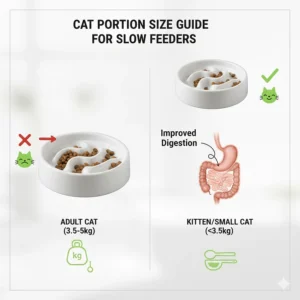
Don’t overfill slow feeders—they work best with measured portions that fit comfortably within the maze pattern. UK veterinary nutritionists recommend splitting daily food allowances into 3-4 smaller meals rather than one or two large servings. This approach combines the slow feeder’s benefits with natural feeding frequency, mimicking cats’ wild ancestors who ate multiple small prey throughout the day.
Combining Slow Feeders with Environmental Enrichment
Slow feeders shouldn’t be your only enrichment tool. Rotate between different feeding methods—slow feeder bowls, puzzle toys, scatter feeding—to keep mealtimes interesting. Some UK cat owners use slow feeders for breakfast, scatter feed lunch across the house, and offer dinner in a puzzle toy. This variety prevents boredom whilst maintaining controlled eating pace.
Multi-Cat Household Strategies
Separate feeding stations prevent competition that defeats slow feeders’ purpose. Place bowls in different rooms or use timed feeders to stagger mealtimes. The affordable Bifeaw dual-pack allows colour-coding for different cats. Some aggressive eaters still need supervision—monitor initially to ensure all cats access their food without bullying.
Monitoring Progress and Adjusting Approach
Track your cat’s response over the first month. Note changes in vomiting frequency, weight, and overall behaviour. Most UK cat owners report dramatic improvements within 1-2 weeks. If progress stalls, experiment with different bowl designs—what works for one cat may not suit another. The goal is sustainable, stress-free slow eating, not perfect adherence to a single product.
Common Mistakes to Avoid When Using Slow Feeder Bowls
Choosing the Wrong Complexity Level
The Mistake: Buying the most elaborate, challenging slow feeder available.
Why It Fails: Overly complex designs frustrate cats, especially seniors or those with vision problems. Frustrated cats may refuse to eat or develop mealtime anxiety.
The Fix: Start simple. Graduate to more complex patterns only if your cat easily masters basic designs.
Insufficient Cleaning Leading to Bacterial Growth
The Mistake: Rinsing quickly without reaching into crevices.
Why It Fails: Food residue in maze patterns harbours harmful bacteria, potentially causing stomach upsets that negate the slow feeder’s benefits.
The Fix: Invest in a small cleaning brush specifically for bowl grooves. Dishwasher-safe options simplify this dramatically.
Forcing Immediate Full Transition
The Mistake: Removing the regular bowl completely on day one.
Why It Fails: Abrupt changes stress cats, potentially triggering food refusal or anxiety-based behavioural issues.
The Fix: Follow the gradual three-week introduction plan outlined earlier. Patience yields better long-term results.
Ignoring Individual Cat Preferences
The Mistake: Assuming all cats respond identically to the same slow feeder.
Why It Fails: Cats have unique personalities, physical abilities, and preferences. A perfect bowl for one cat may frustrate another.
The Fix: Observe your cat’s response carefully. Be willing to try alternative designs if the first choice doesn’t suit.
Price Comparison: Budget vs Premium Options
Budget Range (£7-£12): Best Value Picks
The PETTOM melamine whale design and Catstages Kitty Slow Feeder dominate this category. Both deliver effective slow-feeding functionality at prices accessible to any UK household. Expect durable materials that last 1-2 years with daily use. These options suit cat owners testing slow feeders for the first time or those managing multiple cats on limited budgets.
Who Should Buy: First-time slow feeder buyers, multi-cat households, budget-conscious owners.
Mid-Range (£13-£18): Balanced Quality and Cost
Products like the HAPPY HACHI ceramic bowl with wooden stand occupy this sweet spot. You’re paying for upgraded materials—ceramic instead of melamine—and thoughtful features like elevation stands. Expected lifespan increases to 3-5 years. This range represents the best investment for most UK cat owners seeking reliable, effective slow feeders without premium pricing.
Who Should Buy: Long-term users, quality-focused owners, those prioritising aesthetics alongside function.
Premium Range (£19-£25+): Investment-Grade Options
The GUWINA elevated ceramic and Pecute stainless steel sets justify their pricing through superior materials, innovative designs, and exceptional durability. Premium options often include complete feeding stations—stands, multiple bowls, mats—rather than single items. Expected lifespan exceeds 5 years with proper care. The hygiene benefits of stainless steel or the ergonomic advantages of whisker-friendly ceramic warrant this investment for specific needs.
Who Should Buy: Owners of senior cats, those with hygiene concerns, buyers seeking one-time purchases, design enthusiasts.
Real UK Customer Experiences and Success Stories
Case Study 1: Reducing Vomiting in a Maine Coon
Sarah from Manchester struggled with her 4kg Maine Coon’s daily vomiting episodes. “Billy would hoover his food in under 20 seconds, then bring it all back up within minutes,” she explains. After researching solutions, Sarah purchased the PETTOM ceramic slow feeder with bamboo stand.
“The transformation was immediate. His eating time increased from 20 seconds to about 5 minutes. Within three days, the vomiting stopped completely. We’ve been using it for six months now—he’s a much happier, healthier cat.”
Case Study 2: Managing Multi-Cat Competition
James from Edinburgh shares his two-cat household challenges: “Our younger cat, Whiskers, would steal food from elderly Mittens. Both ate too fast from stress.” He implemented separate Bifeaw silicone slow feeders in different rooms.
“The combination of separation and slow feeders worked brilliantly. Each cat now eats at their own pace without anxiety. Whiskers lost the excess weight she’d gained from stealing, and Mittens actually started enjoying mealtimes again.”
Case Study 3: Senior Cat Arthritis Relief
Dorothy in Cardiff noticed her 14-year-old cat struggling to bend down to floor-level bowls. “She’d eat quickly just to avoid the discomfort, then vomit from the rushed meal.” The HAPPY HACHI elevated slow feeder addressed both issues simultaneously.
“The raised position means she doesn’t strain her arthritic joints, and the fish-shaped pattern naturally slows her eating. She’s more comfortable, eats better, and we’re not cleaning up vomit anymore. I wish I’d discovered this years ago.”
Frequently Asked Questions (FAQ)
❓ How long should it take my cat to eat from a slow feeder bowl?
❓ Can I use a slow feeder bowl for both wet and dry cat food?
❓ Will my cat get frustrated and stop eating from a slow feeder?
❓ Are slow feeder bowls safe for kittens and elderly cats?
❓ How do I clean dried food from the ridges in my slow feeder bowl?
Conclusion: Transform Your Cat’s Mealtimes Today
The evidence is overwhelming: a quality slow feeder bowl for cats represents one of the simplest yet most impactful investments in your feline’s health and wellbeing. From dramatically reducing vomiting episodes to supporting healthy weight management and providing crucial mental enrichment, these cleverly designed bowls address multiple concerns simultaneously.
Whether you’re dealing with a speed-eating kitten, a food-obsessed adult cat, or a senior feline needing gentler mealtimes, the UK market in 2026 offers exceptional options across every budget. The PETTOM ceramic with bamboo stand delivers premium performance for serious health concerns, whilst the budget-friendly Catstages melamine bowl proves you needn’t spend a fortune to solve fast-eating problems.
Remember, successful slow feeder introduction hinges on patience and gradual transition. Give your cat time to adapt, monitor their response carefully, and don’t hesitate to try alternative designs if the first choice doesn’t suit. The right slow feeder bowl will become an invisible part of your cat’s routine—no more morning vomit discoveries, no more worried vet visits, just healthy, controlled mealtimes that benefit your cat’s physical and mental health.
According to Cats Protection, regurgitation from eating too fast is preventable with proper feeding management. Slow feeder bowls provide that solution elegantly, transforming a frustrating daily problem into a solved non-issue. Your cat deserves the comfort, your carpets deserve the break, and you deserve the peace of mind that comes from knowing you’re supporting your feline friend’s long-term health.
Don’t wait for the next vomiting episode. Choose the slow feeder bowl that matches your cat’s needs and budget, introduce it gradually, and enjoy watching your cat develop healthier, happier eating habits that last a lifetime.
Recommended for You
- 7 Best Cat Water Fountain encourages Drinking 2026 UK
- 7 Best Quiet Cat Water Fountains UK 2026
- 7 Best Cat Water Fountains UK 2026
Disclaimer: This article contains affiliate links. If you purchase products through these links, we may earn a small commission at no additional cost to you. Prices shown are approximate and may vary.
✨ Found this helpful? Share it with your mates! 💬🤗
