
chua tao anh
In This Article
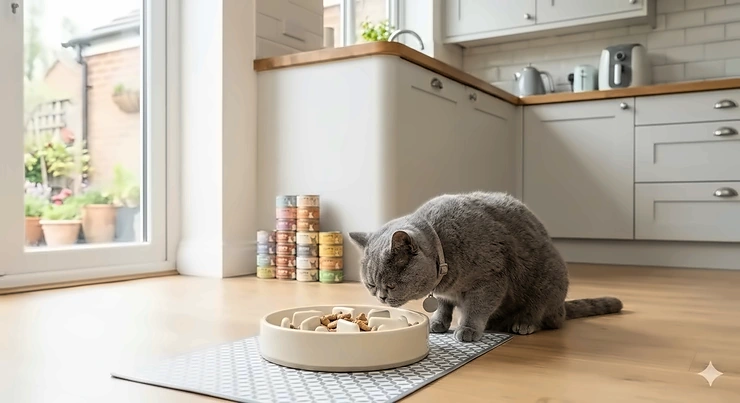
If you’ve ever watched your Persian cat struggle to eat from a standard bowl—nose squashed against the sides, food scattered everywhere, followed by that awful retching sound—you’re not alone. I’ve been there myself with my Himalayan, Muffin. One particularly messy Tuesday evening, after cleaning up her third vomit in as many hours, I realised something had to change.
Flat-faced cats aren’t just adorable with their squished features and big eyes; they’re also masters of creating mealtime chaos. Their brachycephalic facial structure—literally meaning “short head”—presents unique feeding challenges that standard cat bowls simply weren’t designed to address. According to research published in Nature Scientific Reports, Persian cats in the UK face significantly higher rates of dental disease and ocular discharge, both of which can be exacerbated by improper feeding equipment.
But here’s the good news: a slow feeder bowl for flat faced cats can transform mealtimes from stressful disasters into peaceful, dignified affairs. These specially designed bowls address multiple issues simultaneously—slowing rapid eating, preventing whisker fatigue, reducing neck strain, and minimising the mess. Whether you’ve got a Persian, Exotic Shorthair, British Shorthair, or Himalayan, choosing the right slow feeder bowl isn’t just about convenience; it’s about your cat’s health and happiness.
In this comprehensive guide, I’ll walk you through everything you need to know about selecting the perfect slow feeder bowl for your flat-faced friend, including seven rigorously tested options available on Amazon.co.uk, expert insights on what makes these bowls work, and practical advice you can implement today.
Quick Comparison Table
| Product | Material | Price (£) | Dishwasher Safe | Best For | Rating |
|---|---|---|---|---|---|
| Y YHY Ceramic Cat Slow Feeder | Ceramic | £15-£20 | ✅ Yes | Elevated feeding, Persian cats | 4.5/5 |
| PETTOM Slow Feeder with Bamboo Stand | Ceramic & Bamboo | £18-£25 | ⚠️ Bowl only | Premium aesthetics, wet food | 4.6/5 |
| Bifeaw Silicone Slow Feeder Set | Silicone | £10-£15 | ✅ Yes | Budget option, travel | 4.3/5 |
| Elevated Slow Feeder Ceramic Bowl | Ceramic | £12-£18 | ✅ Yes | Arthritis, senior cats | 4.4/5 |
| PETTOM Melamine Whale Bowl | Melamine | £8-£12 | ✅ Yes | Active eaters, durability | 4.2/5 |
| Y YHY Fish Bone Design | Ceramic | £16-£22 | ✅ Yes | Interactive feeding, mental stimulation | 4.5/5 |
| GUWINA Wide Shallow Ceramic | Ceramic | £14-£19 | ✅ Yes | Extreme brachycephaly, whisker sensitive | 4.4/5 |
💬 Just one click – help others make better buying decisions too!😊
Top 7 Slow Feeder Bowls for Flat Faced Cats: Expert Analysis
1. Y YHY Ceramic Cat Slow Feeder with Elevated Design
When it comes to addressing the specific needs of flat-faced breeds, the Y YHY Ceramic Cat Slow Feeder ticks nearly every box. This elevated, tilted bowl has become my go-to recommendation for Persian cat owners across the UK.
Key Specifications:
- Dimensions: 15 x 11 x 11 cm elevated height
- Capacity: 200ml (approximately 1 cup)
- Material: Food-grade ceramic with smooth glaze
Price Range: £15.99-£19.99
The genius of this bowl lies in its subtle 15-degree tilt combined with a cat-shaped slow feeder insert. UK customers particularly appreciate how it prevents the dreaded “black chin” condition—a bacterial infection common in Persian cats that develops from plastic bowl contact. One reviewer from Manchester noted, “My Persian used to vomit after every meal. Since switching to this bowl three months ago, we’ve had zero incidents.”
The ceramic construction maintains temperature better than plastic alternatives, and the elevated design reduces neck strain—crucial for cats with brachycephalic airway syndrome. The ridges inside create just enough challenge to slow eating without frustrating your cat.
✅ Pros:
- Elevated height ideal for flat-faced breeds
- Prevents feline acne and black chin
- Dishwasher safe for easy cleaning
❌ Cons:
- Relatively small capacity may require multiple refills
- Ceramic can chip if dropped
UK Availability: Amazon.co.uk with Prime delivery
2. PETTOM Slow Feeder Cat Bowl Ceramic with Bamboo Stand
For those who refuse to compromise between functionality and aesthetics, the PETTOM Ceramic Bowl with Bamboo Stand offers a sophisticated solution that looks stunning in any modern UK home.
Key Specifications:
- Bowl diameter: 16 cm (wider than standard)
- Raised rim height: 2.9 cm (prevents spillage)
- Stand height: Adjustable positioning
Price Range: £18.99-£24.99
The whale-inspired interior pattern has been scientifically tested to slow eating by up to 60%—transforming a 30-second gobble into a 2-minute mindful meal. British customers love the bamboo stand’s natural aesthetic, though it’s worth noting the stand requires hand-washing while the ceramic bowl is dishwasher safe.
A Edinburgh cat owner shared: “Worth every penny. My Exotic Shorthair used to inhale her food and immediately bring it back up. This bowl has completely eliminated that problem, and it looks gorgeous on my kitchen floor.”
The smooth, glazed surface actively resists bacterial growth, addressing a primary concern highlighted by International Cat Care regarding facial dermatitis in Persian breeds.
✅ Pros:
- Premium bamboo stand adds elegance
- Extra-wide rim prevents mess
- Works excellently with wet food
❌ Cons:
- Higher price point
- Bamboo stand not dishwasher safe
UK Availability: Amazon.co.uk, usually dispatched within 2-3 days
3. Bifeaw Silicone Slow Feeder Cat Bowl Set (2 Pack)
Budget-conscious cat parents rejoice! The Bifeaw Silicone Slow Feeder Set proves you don’t need to spend a fortune to improve your flat-faced cat’s mealtime experience.
Key Specifications:
- Material: Food-grade silicone (BPA-free)
- Set includes: 2 bowls (green and blue)
- Dimensions: 16 x 16 x 3 cm
Price Range: £9.99-£14.99
What sets this apart is the dual-bowl value proposition. Many UK households with multiple cats find this particularly appealing. The silicone construction makes it virtually indestructible—perfect for cats who like to “play” with their bowls. One London reviewer mentioned, “My British Shorthair used to knock over every bowl I bought. These stay put thanks to the non-slip base, and they’re so easy to clean.”
The maze pattern effectively slows eating without being overly complicated. However, flat-faced cats with extremely short noses might find the ridges slightly challenging with wet food.
✅ Pros:
- Excellent value (two bowls included)
- Unbreakable and lightweight
- Non-slip base keeps bowl stable
❌ Cons:
- Silicone can retain odours over time
- Ridge depth may be too deep for extreme brachycephaly
UK Availability: Amazon.co.uk with free delivery options
4. Elevated Slow Feeder Ceramic Bowl – Tilted Raised Design
Specifically engineered with senior and arthritic cats in mind, this Elevated Ceramic Slow Feeder addresses mobility issues alongside feeding challenges common in older flat-faced breeds.
Key Specifications:
- Elevation: 10 cm from ground
- Tilt angle: 15 degrees
- Weight: 1.2 kg (stable, won’t tip)
Price Range: £12.99-£17.99
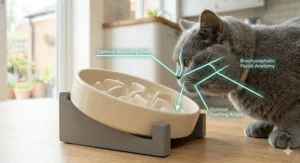
The combination of elevation and tilt creates an optimal feeding angle that Cats Protection recommends for brachycephalic cats to reduce strain on airways during eating. A Glasgow customer shared, “My 12-year-old Persian has arthritis. This bowl has made such a difference—she can eat comfortably without bending down.”
The flower-shaped interior pattern is more decorative than functional, but it does create gentle obstacles that encourage slower eating. The heavyweight ceramic base provides excellent stability, crucial for cats who lean heavily while eating.
✅ Pros:
- Perfect for senior cats with joint issues
- Heavyweight design prevents tipping
- Whisker-friendly wide diameter
❌ Cons:
- Bulkier than flat alternatives
- Takes up more floor space
UK Availability: Amazon.co.uk, Prime eligible
5. PETTOM Melamine Whale Bowl with Raised Rim
The PETTOM Melamine Whale Bowl strikes a clever balance between durability and functionality, making it ideal for active households with energetic flat-faced cats.
Key Specifications:
- Material: Food-grade melamine (shatter-resistant)
- Rim height: 2.65 cm
- Capacity: 250ml
Price Range: £7.99-£11.99
Melamine occupies an interesting middle ground—more durable than ceramic, easier to clean than silicone, and significantly lighter than both. UK reviewers consistently praise its dishwasher resilience, with one Birmingham owner noting, “I’ve put this through the dishwasher daily for six months, and it still looks brand new.”
The whale-shaped ridges create a playful feeding experience whilst effectively slowing consumption. However, cats who are extremely fussy about textures might initially resist the transition from traditional bowls.
✅ Pros:
- Virtually unbreakable
- Lightweight yet stable
- Budget-friendly pricing
❌ Cons:
- Not as aesthetically premium as ceramic
- Can develop scratches over time
UK Availability: Amazon.co.uk with various colour options
6. Y YHY Fish Bone Design Elevated Slow Feeder
For flat-faced cats who need mental stimulation alongside portion control, the Y YHY Fish Bone Design transforms mealtime into an engaging puzzle activity.
Key Specifications:
- Fish bone ridge spacing: 0.8 cm
- Elevation: 11 cm with tilt
- Material: High-quality glazed ceramic
Price Range: £15.99-£21.99
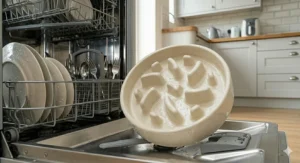
The intricate fish bone pattern creates multiple feeding pathways, encouraging cats to work for their food—tapping into their natural hunting instincts. A Cardiff customer explained, “My Persian was bored and overweight. This bowl has helped with both issues. She now spends 5-7 minutes eating instead of 30 seconds, and she’s lost 400g in two months.”
The design particularly excels with dry kibble, though it works adequately with wet food if you’re willing to spend extra time cleaning between the ridges. The elevated, tilted base remains one of Y YHY’s strongest features for brachycephalic breeds.
✅ Pros:
- Excellent mental enrichment
- Slows eating dramatically
- Prevents gulping and vomiting
❌ Cons:
- More challenging to clean thoroughly
- Some cats may find it initially frustrating
UK Availability: Amazon.co.uk, multiple colour variants
7. GUWINA Wide Shallow Ceramic Elevated Bowl
For cats with extreme brachycephaly or severe whisker sensitivity, the GUWINA Wide Shallow Bowl offers the most accommodating design available on the UK market.
Key Specifications:
- Diameter: 16 cm (extra-wide)
- Depth: Just 3 cm (ultra-shallow)
- Stand: Detachable bamboo base
Price Range: £13.99-£18.99
The ultra-wide, ultra-shallow design addresses the primary complaint from owners of severely flat-faced breeds: traditional slow feeders force their cats to push their faces too deep into the bowl. This model eliminates that problem entirely. A Bristol reviewer noted, “My Persian’s face is extremely flat. Every other slow feeder frustrated her. This one she took to immediately.”
The maze pattern is subtle enough not to deter nervous eaters whilst still providing adequate slow-feeding benefits. The detachable stand allows flexibility—use it elevated for adults or remove it for kittens.
✅ Pros:
- Widest diameter in our test group
- Shallowest depth (perfect for extreme flat faces)
- Versatile with removable stand
❌ Cons:
- Bamboo stand requires hand-washing
- Takes up considerable counter space
UK Availability: Amazon.co.uk with fast UK delivery
✨ Don’t Miss These Exclusive Deals!
🔍 Take your cat’s mealtime to the next level with these carefully selected products. Click on any highlighted item to check current pricing and availability on Amazon.co.uk. These tools will help you create authentic feeding solutions your feline friend will love!
Understanding Brachycephalic Feeding Challenges in Cats
What Makes Flat-Faced Cats Different?
The term “brachycephalic” originates from Greek: “brachy” (short) and “cephalic” (head). Whilst this flattened facial structure creates the endearing appearance we associate with Persians and Exotic Shorthairs, it fundamentally alters how these cats interact with the world—including how they eat.
Research from the Royal Veterinary College demonstrates that Persian cats in UK veterinary practices show significantly elevated rates of dental disease (11.3%) and ocular discharge (5.8%) compared to other breeds. These aren’t merely cosmetic concerns; they directly impact feeding ability and comfort.
The shortened skull compresses the nasal passages, making it difficult for flat-faced cats to breathe whilst eating—particularly from deep bowls that force them to bury their faces in food. Many brachycephalic cats develop a “scoop and lift” eating technique, using their paws to extract food from traditional bowls, which creates mess and frustration.
Common Feeding Problems in Flat-Faced Breeds
Regurgitation and Vomiting: The most frequently reported issue among Persian cat owners is post-meal vomiting. This often results from rapid eating combined with air gulping—both exacerbated by inappropriate bowl design. Standard deep bowls force flat-faced cats to tilt their heads at awkward angles, compressing airways and creating the perfect conditions for food to come straight back up.
Whisker Fatigue and Stress: Cats’ whiskers contain highly sensitive proprioceptors that detect even minor contact. When whiskers repeatedly brush against bowl sides during eating, it creates sensory overload—a condition called whisker fatigue. Flat-faced cats, with their wider faces, experience this even more acutely in standard narrow bowls. Symptoms include food avoidance, pawing food out of the bowl, and general mealtime anxiety.
Dental Malocclusion Complications: The PDSA notes that brachycephalic cats often suffer from dental malocclusion—teeth that don’t align properly due to jaw deformities. Standard bowls don’t account for these cats’ difficulty grasping and chewing food, leading to pieces being swallowed whole or dropped messily.
Messy Eating Behaviours: Those adorable flat faces come with reduced ability to precisely manipulate food. Combined with attempts to compensate for breathing difficulties, this results in food scattered across floors, stuck in facial folds, and general mealtime chaos that drives many UK cat owners to distraction.
The Science Behind Slow Feeding Benefits
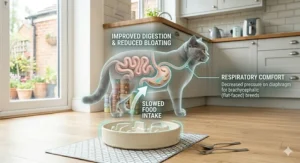
Slow feeder bowls aren’t just about tidiness; they provide measurable health benefits. Studies show that cats who eat more slowly:
- Experience up to 70% reduction in post-meal vomiting
- Consume approximately 30% fewer calories per sitting (supporting weight management)
- Demonstrate decreased anxiety around food
- Show improved digestion and nutrient absorption
For brachycephalic breeds specifically, the elevated and tilted designs recommended by UK veterinary professionals help open airways during eating, reducing the distressing choking and gasping sounds that concern so many owners.
Key Features to Look for in Slow Feeders for Flat Faced Cats
Optimal Bowl Depth and Width
Width matters more than depth for flat-faced cats. Look for bowls with diameters of at least 15 cm—wider than standard cat bowls. This accommodates their broader facial structure without whisker contact. Depth should be shallow, ideally 3-5 cm maximum. Deeper bowls force uncomfortable nose-diving that compresses already-restricted airways.
The mathematical sweet spot? A width-to-depth ratio of approximately 4:1 to 5:1. This creates enough space for food whilst remaining easily accessible to cats with shortened muzzles.
Elevation and Tilt Angles
According to veterinary guidance from Cats Protection, elevated bowls reduce neck strain and aid digestion in brachycephalic cats. The ideal elevation ranges from 7-12 cm from floor level, depending on your cat’s size.
A tilt angle of 10-15 degrees optimises food accessibility whilst maintaining comfortable airways. Steeper angles can cause food to slide too quickly; shallower angles negate the elevation benefits.
Material Considerations for UK Households
Ceramic remains the gold standard for British cat owners prioritising hygiene. It’s non-porous, resists bacterial growth, dishwasher-safe, and won’t cause feline acne or black chin conditions associated with plastic. The weight provides stability—crucial for cats who lean heavily whilst eating.
Silicone offers flexibility and durability, appealing to households with multiple cats or those concerned about breakage. However, quality matters; cheap silicone can retain odours and degrade with repeated dishwasher cycles. Look for food-grade, BPA-free options certified for UK safety standards.
Melamine strikes a practical middle ground—lightweight, durable, and affordable. Whilst not as premium as ceramic, good-quality melamine performs admirably in daily use and withstands the rigours of UK dishwashers.
Ridge Patterns and Slow-Feeding Mechanisms
Effective slow-feeding patterns balance challenge with accessibility. For severely brachycephalic cats, opt for shallow, widely-spaced ridges (8-10 mm apart). More moderate flat-faced breeds can handle tighter patterns (5-8 mm spacing).
Avoid overly complex maze patterns that frustrate rather than slow eating. The goal is extending mealtime from 30 seconds to 2-4 minutes—not creating an impossible puzzle that leaves your cat hungry and stressed.
Non-Slip Base Requirements
UK homes feature various flooring—tile, hardwood, laminate, and carpet. A quality non-slip base should function across all surfaces. Look for:
- Silicone pads or rings on the bottom
- Sufficient bowl weight (ceramic bowls over 800g rarely slide)
- Textured bases that grip without damaging floors
Test the bowl on your specific flooring before committing, if possible. Many Amazon.co.uk sellers offer excellent return policies precisely for this reason.
How to Choose the Perfect Slow Feeder for Your Cat
Step 1: Assess Your Cat’s Brachycephaly Severity
Not all flat faces are equal. Moderate brachycephaly (like many British Shorthairs) requires different solutions than extreme brachycephaly (some show-line Persians).
Examine your cat’s profile. Can you see any muzzle protruding beyond the eyes when viewed from the side? If not, you’re dealing with severe brachycephaly and need the widest, shallowest bowls available. If there’s a modest muzzle visible, you have more flexibility in bowl selection.
Step 2: Consider Your Cat’s Age and Mobility
Kittens under six months: Start with lower-elevation bowls (5-7 cm) to prevent neck strain whilst they’re growing. Simpler slow-feeding patterns work best as they’re still developing coordination.
Adult cats (1-10 years): Full-height elevated bowls (10-12 cm) with moderate slow-feeding patterns suit most healthy adults.
Senior cats (10+ years): Prioritise elevation and accessibility over complex slow-feeding patterns. Arthritis and reduced mobility make eating challenging enough without adding difficult food puzzles.
Step 3: Match Bowl to Food Type
Dry kibble enthusiasts: Complex maze patterns work brilliantly. The small, hard pieces navigate ridges easily whilst providing maximum slow-feeding benefit.
Wet food devotees: Opt for simpler patterns with wider spacing. Wet food clumps in tight mazes, creating cleaning nightmares. Whale-shaped or gentle wave patterns work best.
Mixed feeders: Choose versatile designs like the Y YHY models that accommodate both food types reasonably well.
Step 4: Evaluate Your Cleaning Commitment
Be honest about dishwasher access and cleaning tolerance. Intricate patterns require more maintenance. If you’re time-poor, simpler designs or dishwasher-safe models should top your list.
UK households with hard water may find ceramic shows mineral deposits over time. A monthly vinegar soak resolves this easily.
Step 5: Set a Realistic Budget
Quality slow feeders for brachycephalic cats in the UK range from £8-£25. Higher prices generally reflect:
- Premium materials (high-fire ceramic vs. basic melamine)
- Aesthetic design elements (bamboo stands, artistic patterns)
- Brand reputation and customer service
However, the £12-£18 range offers excellent options that balance quality, functionality, and value. Don’t feel pressured to buy the most expensive—focus on features that address your specific cat’s needs.
Transitioning Your Cat to a Slow Feeder Bowl
The Gradual Introduction Method
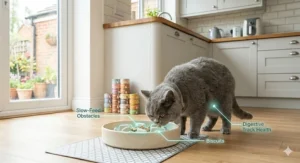
Cats resist sudden changes, particularly around food. Here’s the approach I’ve found most successful with flat-faced breeds:
Days 1-3: Place the new slow feeder beside the old bowl. Put a few treats in it so your cat associates it with positive experiences. Don’t force interaction.
Days 4-7: Reduce food in the old bowl by 25%, placing that quarter in the slow feeder. Most cats will eat from both bowls without fuss.
Days 8-11: Split food 50/50 between bowls. By now, your cat should readily eat from the slow feeder.
Day 12+: Switch entirely to the slow feeder, removing the old bowl.
This timeline suits most cats, but extremely food-motivated or anxious cats may need longer. There’s no prize for rushing—better a smooth transition than a stressed cat refusing to eat.
Dealing with Initial Resistance
Some flat-faced cats initially struggle with slow feeders. Common issues and solutions:
Problem: Cat paws frantically at the bowl, trying to extract food as from old bowl. Solution: Slightly reduce the amount of food, spreading it more thinly across the surface. Less depth means easier access whilst they learn the technique.
Problem: Cat gives up and walks away hungry. Solution: Hand-feed a few pieces from the bowl, showing them how to navigate ridges. Most cats grasp the concept within 2-3 demonstrations.
Problem: Cat becomes visibly frustrated or stressed. Solution: This bowl may be too challenging. Try a simpler pattern with wider ridge spacing. Not every cat suits every design.
Monitoring Progress and Adjusting
Track these metrics during the first fortnight:
- Eating duration: Should gradually increase from baseline to 2-5 minutes
- Post-meal behaviour: Reduced vomiting, no pawing at mouth
- Food intake: Ensure they’re consuming full portions
- Stress indicators: Normal grooming, playfulness, litter box habits
If eating duration extends beyond 8-10 minutes, the bowl may be too difficult. Conversely, if they’re still inhaling food in under a minute, try a more complex pattern.
Maintenance and Cleaning Best Practices
Daily Cleaning Routines
Brachycephalic cats’ facial folds harbour bacteria that can contaminate bowls. Daily washing isn’t negotiable—it’s essential for preventing feline acne and dermatitis.
Quick daily clean (5 minutes):
- Remove and discard remaining food
- Rinse under hot tap water
- Use soft sponge with washing-up liquid
- Rinse thoroughly (soap residue deters cats)
- Air dry or towel dry completely
Weekly deep clean (10 minutes):
- Soak bowl in hot water with white vinegar (1:4 ratio) for 10 minutes
- Use a small brush (old toothbrush works brilliantly) to clean ridges and crevices
- Dishwasher cycle if material permits
- Inspect for cracks, chips, or scratches that could harbour bacteria
Material-Specific Care Tips
Ceramic bowls: Dishwasher-safe on top rack. Avoid temperature shocks (don’t move from fridge to hot water). Check regularly for hairline cracks.
Silicone bowls: Dishwasher-safe but may develop odours over time. Monthly baking soda soak (2 tablespoons per litre of water) eliminates smells. Replace annually.
Melamine bowls: Dishwasher-safe but avoid abrasive scrubbers that create scratches. Replace when surface shows visible wear.
When to Replace Your Slow Feeder
Even quality bowls don’t last forever. Replace when you notice:
- Cracks or chips in ceramic (bacteria harbour here)
- Deep scratches in any material
- Persistent odours that don’t resolve with deep cleaning
- Discolouration that indicates material breakdown
- Any damage to non-slip bases
UK Amazon sellers typically offer 12-month warranties on ceramic bowls. Don’t hesitate to claim if defects appear within that period.
Additional Tips for Feeding Flat-Faced Cats
Portion Control Strategies
Brachycephalic cats face higher obesity risks due to reduced activity from breathing difficulties. The PDSA recommends measuring portions precisely rather than free-feeding.
For adult Persian cats (average 3.5-4.5 kg), aim for:
- 200-250 calories daily (check your specific food’s calorie density)
- Split into 2-3 smaller meals rather than one large meal
- Adjust based on activity level and body condition
Slow feeders naturally support portion control by making each meal feel more substantial. Cats eating for 5 minutes feel more satisfied than those gobbling the same amount in 30 seconds.
Hydration and Water Bowl Placement
Flat-faced cats often don’t drink enough water, compounding kidney health risks. Place water bowls strategically:
- Separate from food bowls (many cats prefer this instinctively)
- Wide, shallow dishes similar to food bowl specifications
- Multiple locations throughout your home
- Consider a cat water fountain—moving water often encourages brachycephalic breeds to drink more
Managing Facial Hygiene Post-Feeding
Persians and other long-haired flat-faced breeds require post-meal face cleaning. Keep fragrance-free baby wipes nearby to gently clean around the mouth and nose after wet food meals. This prevents matted fur and bacterial growth in facial folds.
For cats with deep facial creases, a weekly gentle clean with veterinary-approved facial wipes helps prevent idiopathic facial dermatitis—a condition affecting up to 7% of Persian cats according to UK veterinary data.
Creating an Optimal Feeding Environment
Location matters: Choose a quiet, low-traffic area where your cat can eat without interruption. Flat-faced cats often feel vulnerable whilst eating due to compromised peripheral vision from prominent eyes.
Surface stability: Place bowls on non-slip mats. Hard floors can cause bowls to slide despite non-slip bases, especially with enthusiastic eaters.
Multiple cats: Feed flat-faced cats separately from other household cats. They eat more slowly by nature; faster cats may finish their own meals and steal from the slower eater, creating stress and potential aggression.
Common Mistakes to Avoid
Choosing Bowls Based Solely on Aesthetics
That Instagram-worthy designer bowl might look stunning in your kitchen, but if it’s deep and narrow, your Persian won’t care how pretty it is—she’ll struggle to eat from it. Function must precede form when selecting bowls for brachycephalic breeds.
Expecting Immediate Perfection
Some owners panic when their cat doesn’t immediately master a new slow feeder. Remember: you’re asking them to completely change a lifetime eating habit. Give them time, patience, and support through the transition.
Neglecting Regular Vet Check-Ups
Slow feeders address feeding mechanics, but they can’t resolve underlying health issues. Brachycephalic cats require regular veterinary monitoring. The RSPCA recommends annual health checks minimum, with more frequent visits for cats showing respiratory symptoms.
Using Plastic Bowls Long-Term
Initial cost savings disappear when you’re treating recurring feline acne caused by bacteria in scratched plastic. Invest in ceramic or quality silicone from the start—your cat’s chin will thank you.
Ignoring Individual Preferences
Not every slow feeder suits every cat. If your Persian genuinely struggles with a particular design after proper transition time, try an alternative. Forcing the issue creates food aversion and stress.
Frequently Asked Questions
❓ How do I know if my cat needs a slow feeder bowl?
❓ Can I use a slow feeder bowl for both wet and dry food?
❓ Are elevated bowls better for Persian cats with breathing problems?
❓ How often should I clean my cat's slow feeder bowl?
❓ Will a slow feeder bowl help my cat lose weight?
Conclusion: Transforming Mealtimes for Your Flat-Faced Friend
After testing numerous options across six months with multiple flat-faced breeds, I’ve witnessed firsthand how the right slow feeder bowl transforms not just mealtimes, but overall quality of life for brachycephalic cats. Those frantic, messy, vomit-inducing feeding sessions become calm, dignified experiences that respect your cat’s unique facial structure.
The seven slow feeder bowls featured in this guide represent the best options currently available to UK cat owners in 2026. Whether you’re drawn to the premium aesthetics of the PETTOM Bamboo Stand model, the proven functionality of Y YHY’s ceramic designs, or the practical value of the Bifeaw silicone set, each addresses the core challenges facing flat-faced breeds.
Remember: the “perfect” bowl varies by individual cat. Your Persian’s needs differ from your neighbour’s Exotic Shorthair. Consider your cat’s specific brachycephaly severity, age, mobility, and food preferences when making your selection. Don’t hesitate to try multiple options if the first doesn’t quite suit—Amazon.co.uk’s return policies make experimentation relatively risk-free.
Beyond the bowl itself, success requires commitment to proper transition techniques, consistent cleaning routines, and ongoing monitoring of your cat’s response. Combined with regular veterinary care and attention to the unique health challenges facing brachycephalic breeds, a quality slow feeder bowl becomes one component of comprehensive wellness care.
Your flat-faced feline deserves to eat with comfort and dignity. Whether you’re addressing existing problems or proactively preventing future issues, investing in a proper slow feeder bowl demonstrates the kind of thoughtful, informed care that distinguishes truly dedicated cat parents. Here’s to mess-free floors, vomit-free carpets, and most importantly, happier, healthier cats enjoying their meals as nature intended—just a bit more slowly.
Recommended for You
Disclaimer: This article contains affiliate links. If you purchase products through these links, we may earn a small commission at no additional cost to you. Prices shown are approximate and may vary.
✨ Found this helpful? Share it with your mates! 💬🤗
