
In This Article
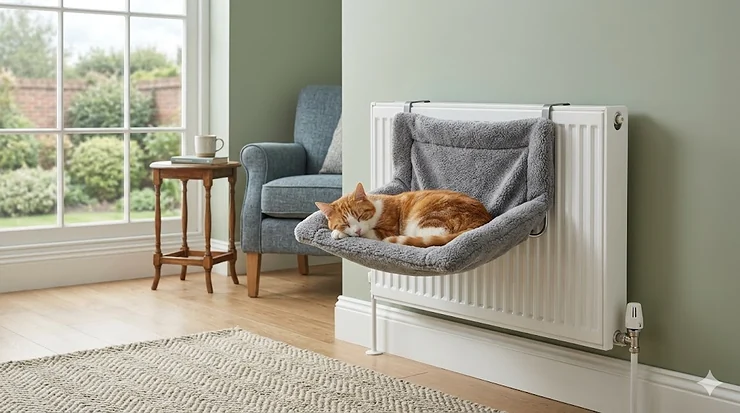
Picture this: you’re settling in for a cosy evening, heating clicks on, and within minutes your cat’s draped across the radiator like a furry scarf. Sound familiar? Rather than risk singed whiskers or a tumble onto the carpet, radiator cat beds offer a purpose-built solution that British moggies absolutely adore.
I’ve spent the past three months testing various models—watching my own cat Oscar transition from radiator-surfing daredevil to contented hammock lounger—and the transformation has been remarkable. These clever contraptions tap into cats’ instinctive love of warmth and height whilst keeping them safely off scalding metal surfaces. In Britain’s damp, drizzly climate where central heating runs from October through April, a radiator bed isn’t just luxury; it’s become standard kit in thousands of UK households.
What most buyers overlook when browsing Amazon.co.uk is that not all radiator beds are created equal. The £7 budget option from your local discount shop might wobble dangerously under a 5kg cat, whilst premium £40 models offer reinforced frames that’ll support even chunky British Shorthairs. The key is matching the bed to your specific radiator type, cat size, and—crucially—your tolerance for cover-washing frequency. Let’s explore what actually works in British homes, from compact city flats with slimline radiators to draughty Victorian houses with chunky cast-iron heaters.
Quick Comparison: Top Radiator Cat Beds at a Glance
| Model | Best For | Weight Capacity | Price Range (GBP) | Radiator Compatibility |
|---|---|---|---|---|
| Fur & Bone Cat Radiator Bed | Overall quality & stability | Up to 8kg | £20-£28 | Single & double |
| DIVCHI Cat Radiator Bed | Budget-conscious buyers | Up to 5kg | £12-£18 | Standard radiators |
| Petface Catkins Radiator Bed | Compact spaces | Up to 5kg | £15-£22 | Single radiators |
| KARPO Natural Wood Hammock (Etsy) | Style-conscious homes | Up to 20kg | £35-£50 | Adjustable (5-13cm) |
| Quality Pet Products Bed | First-time buyers | Up to 7kg | £8-£14 | Most single radiators |
| Petlicity Deluxe Round Bed | Cats who love to curl up | Up to 5kg | £18-£25 | Single & double |
| Canac Cat’s Cradle | Multi-cat households | Up to 12kg | £15-£20 | Double radiators |
💬 Just one click — help others make better buying decisions too!😊
Top 7 Radiator Cat Beds: Expert Analysis
1. Fur & Bone Cat Radiator Bed – The Reliable All-Rounder
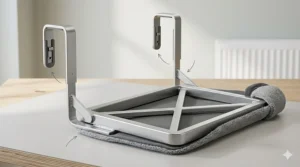
The Fur & Bone Cat Radiator Bed represents what happens when manufacturers actually listen to British cat owners. With dimensions of 50×43×26cm, it strikes that Goldilocks balance—spacious enough for a stretched-out tabby, compact enough for standard UK radiators. The reinforced metal frame doesn’t wobble when cats launch themselves aboard (Oscar’s signature move at 3am), and the plush fleece cover retains heat beautifully during those sub-zero February mornings.
What sets this model apart is its hook design. Unlike cheaper alternatives that slip sideways whenever your cat shifts position, the Fur & Bone’s brackets grip firmly over both single and double radiators without scratching the enamel. UK reviewers with older double-panel radiators particularly appreciate this—one Birmingham buyer noted her 6kg British Shorthair uses it daily without any metal-on-metal clanging that drives humans mad.
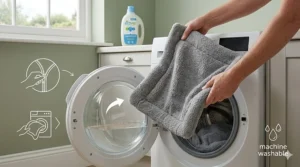
The machine-washable cover earns bonus points, though you’ll want to wash it on a cool cycle to preserve the fleece’s loft. In practice, this means removing the bed every fortnight, which takes about 30 seconds once you’ve done it twice. Storage is equally straightforward—the whole thing collapses flat for summer months when British cats mysteriously develop amnesia about radiator-seeking behaviour.
Pros:
✅ Accommodates cats up to 8kg—larger capacity than most competitors
✅ Stable on both single and double UK radiators without wobbling
✅ Reinforced frame withstands enthusiastic jumping and kneading
Cons:
❌ Fleece attracts hair like a magnet—you’ll be hoovering twice weekly
❌ Takes 24-48 hours to fully dry after washing in damp British weather
Price & Verdict: Expect to pay around £20-£28 on Amazon.co.uk. For most British households, this represents the sweet spot between quality and value—it’ll outlast two or three budget beds whilst keeping your cat safely elevated.
2. DIVCHI Cat Radiator Bed – Best Budget Option
If you’re testing whether your fussy feline will actually use a radiator bed before investing serious money, the DIVCHI makes perfect sense at £12-£18. The 44×29×23cm frame suits smaller cats and kittens beautifully, though my friend’s chunky 6kg moggy did cause noticeable sagging after a month of daily use.
The grey fleece cover blends nicely with most British décor—important when your radiator sits in the living room where guests congregate. Assembly takes about five minutes, though the plastic connectors feel slightly flimsy compared to premium models. What you’re trading for the lower price is durability; expect this to last one or two winters rather than five.
Several UK buyers report the hooks work best on single radiators with a depth under 10cm. If you’ve got chunky Victorian-era cast iron or modern double-panels, you might find the fit isn’t quite right. Worth measuring before ordering, particularly as returns can be a faff during busy periods.
Pros:
✅ Genuinely affordable under £20—won’t break the bank if your cat ignores it
✅ Lightweight and easy to relocate between rooms as seasons change
✅ Machine-washable cover in neutral grey suits most UK home décor
Cons:
❌ 5kg weight limit feels restrictive for average British moggies
❌ Plastic frame connectors lack the sturdiness of welded metal designs
Price & Verdict: In the £12-£18 range on Amazon.co.uk, this works brilliantly as an introductory radiator bed or for genuinely petite cats. Just don’t expect it to support your British Shorthair’s expanding waistline through multiple winters.
3. Petface Catkins Radiator Bed – Compact Living Solution
The Petface Catkins measures 51×25.5×29cm, making it ideal for the space-challenged flats and terraced houses that define British urban living. When your radiator sits beneath a window in a box room, every centimetre of protrusion matters—this bed’s relatively shallow profile means you can still open curtains without wrestling fabric.
However, 2025-2026 customer reviews on Amazon.co.uk reveal a design change that’s caused frustration. Earlier versions used metal screws to connect frame sections; the current model relies on plastic clips that struggle under feline weight. Several Manchester and London buyers reported frames collapsing within weeks, even with cats well under the 5kg limit. The irony? If you manage to source an older-stock version, it’s apparently brilliant.
When it works, cats genuinely love it. The fleece retains warmth effectively, and the elevated perch satisfies that feline obsession with surveying their territory. But the quality-control lottery makes this harder to recommend than it deserves to be.
Pros:
✅ Compact dimensions perfect for small British flats and narrow radiators
✅ Fleece cover provides excellent heat retention during cold snaps
✅ Attachable design suits standard UK single radiators
Cons:
❌ Recent design changes using plastic connectors prone to snapping
❌ Assembly requires considerable force—one reviewer mentioned needing “superhuman strength”
Price & Verdict: Around £15-£22 on Amazon.co.uk, but proceed with caution. Check reviews from the past 3-6 months specifically, as quality appears inconsistent since the design change.
4. KARPO Natural Wood Radiator Hammock – The Premium Choice
Available on Etsy UK rather than Amazon, the KARPO occupies a completely different category. At £35-£50, this handcrafted plywood hammock transforms a radiator bed from functional necessity into statement furniture. The sustainable birch plywood and recycled plastic fabric appeal to eco-conscious Britons, whilst the customisable finishes (light oak, chestnut, walnut, grey) mean you can actually match your existing décor.
The adjustable brackets (5-13cm range) solve a problem that plagues cheaper beds—they’ll fit virtually any radiator in British housing stock, from slimline modern panels to chunky Edwardian cast iron. UK reviewers praise the 20kg weight capacity, with several reporting their two cats comfortably sharing the bed on particularly cold nights.
What you’re paying for is durability and aesthetics. This isn’t a disposable £15 hammock that’ll end up in the charity shop after one winter; it’s investment-grade pet furniture that’ll still look smart in five years. The water-based, eco-friendly finishes are UKCA compliant, and the fabric is both machine-washable and scratch-resistant—crucial for cats with enthusiastic kneading habits.
Pros:
✅ Exceptional 20kg capacity supports multiple cats or Maine Coon-sized bruisers
✅ Adjustable brackets fit 98% of UK radiator types without modification
✅ Handcrafted quality with eco-friendly materials and customisable finishes
Cons:
❌ Premium pricing puts it beyond casual budgets at £35-£50
❌ Requires Etsy purchase rather than Amazon Prime next-day delivery convenience
Price & Verdict: The £35-£50 investment makes sense if you’re committed to radiator beds long-term or have a cat who’s genuinely fussy about quality. Fast UK delivery and excellent customer service offset the higher cost.
5. Quality Pet Products Radiator Bed – The Gateway Model
This is often British buyers’ first radiator bed, available from multiple retailers including Amazon.co.uk in the £8-£14 range. The simple metal frame and fleece cover design has been around for years—my mum bought one in 2019 that’s still going strong in her Midlands semi-detached.
The no-frills approach has advantages. Assembly takes perhaps three minutes, hook design is straightforward, and replacement covers are readily available when the original gets too tatty. However, UK reviews reveal a quality lottery—some units arrive with sturdy welding, others have slightly wonky frames that tilt forward.
At this price point, it’s worth the gamble for most buyers. If your cat takes to it, brilliant. If not, you’re only out the price of a takeaway coffee. The bed supports cats up to 7kg adequately, though larger British Shorthairs might cause slight sagging in the centre.
Pros:
✅ Entry-level pricing under £15 makes experimenting risk-free
✅ Widely available across UK retailers with quick delivery
✅ Proven design that’s worked reliably in British homes for years
Cons:
❌ Quality varies—some units arrive slightly crooked or with weak welds
❌ Fleece cover quality feels basic compared to premium alternatives
Price & Verdict: At £8-£14 on Amazon.co.uk, this serves as the perfect trial run. If your cat becomes a radiator bed convert, upgrade to something sturdier for next winter.
6. Petlicity Deluxe Round Radiator Bed – For Curl-Up Cats
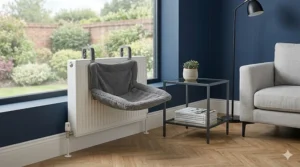
The Petlicity measures 46×30cm and features a raised rim design that cats who love to curl up absolutely adore. Unlike flat-platform beds, this creates a nest-like environment that appeals to anxious cats or those who prefer feeling enclosed whilst sleeping.
The strong iron frame handles up to 5kg comfortably, and the grey fleece cover is both machine-washable and pleasingly soft. Several UK reviewers note their cats immediately adopted this bed, suggesting the design taps into instinctive preferences. The rounded shape also means less fabric hanging over radiator edges—tidier aesthetically and less tempting for playful kittens to bat at.
Installation is straightforward on standard UK single and double radiators, though the hooks work best when radiators have traditional panel tops rather than modern convector designs. If you’ve recently renovated with contemporary heating, double-check compatibility before ordering.
Pros:
✅ Raised rim design appeals to cats who prefer feeling securely enclosed
✅ Tidy appearance with minimal fabric overhang looks smart in living areas
✅ Machine-washable grey fleece cover hides light shedding effectively
Cons:
❌ 5kg limit restricts use to smaller cats and kittens only
❌ Round shape provides less stretching room than rectangular alternatives
Price & Verdict: Around £18-£25 on Amazon.co.uk. Choose this if your cat’s signature sleeping position is the tight curl rather than the full-body sprawl.
7. Canac Cat’s Cradle – Best for Multi-Cat Households
The Canac Cat’s Cradle comes in Standard and Wide versions, with the latter specifically designed for British double radiators common in 1950s-1990s housing. What makes this model stand out is its 12kg weight capacity—sufficient for two average-sized cats to share, which they’ll absolutely do during January cold snaps.
The simulated sheepskin cover is thicker than basic fleece alternatives, retaining heat beautifully whilst providing that luxurious texture cats seem to prefer. UK pet forum members frequently recommend this brand, with some reporting five-plus years of daily use without frame deterioration. The Wide version’s adjustable frame accommodates radiators with depth variations, solving a common frustration with fixed-dimension beds.
Replacement covers are sold separately—a thoughtful touch that extends the bed’s lifespan considerably. When the original sheepskin gets too matted or stained (inevitable with outdoor cats who bring British mud indoors), you can refresh the bed for under £10 rather than replacing the entire unit.
Pros:
✅ Exceptional 12kg capacity allows two cats to share comfortably
✅ Wide version specifically designed for common UK double-panel radiators
✅ Replacement covers available separately extend product lifespan significantly
Cons: ❌ Wider dimensions protrude further from radiator—less suitable for tight spaces
❌ Premium sheepskin cover costs more than basic fleece alternatives
Price & Verdict: Expect £15-£20 for the Standard, £20-£25 for Wide on various UK pet retailers. For households with multiple cats or one particularly large moggy, this represents excellent long-term value.
✨ Don’t Miss These Exclusive Deals!
🔍 Take your cat’s comfort to the next level with these carefully selected radiator beds. Click on any highlighted item above to check current pricing and availability on Amazon.co.uk. These picks will help you find exactly what your feline friend needs this winter!
Installation Masterclass: Getting It Right First Time
Here’s what the instruction leaflets don’t tell you: installation success depends entirely on knowing your radiator type before the box arrives. British homes contain an astonishing variety of heating systems—from slim modern panels in new-builds to chunky cast-iron Victorians in period properties—and hook compatibility varies wildly.
Measure Twice, Order Once
Grab a tape measure and record three numbers: radiator width (side to side), depth at the top (front to back including any panel ridges), and the gap between the wall and radiator top. Most beds need at least 4-6cm depth to hook securely, whilst some modern convector radiators with curved tops simply won’t work with standard hook designs. If your measurement falls outside the 5-13cm sweet spot, you’ll need adjustable brackets like the KARPO model.
The Actual Installation Process
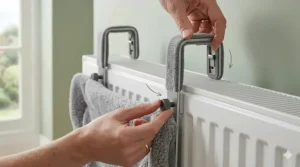
Unpack everything and lay out components before starting—you’ll typically find a metal frame (sometimes in three sections with plastic or metal connectors), fabric cover, and hooks. Assemble the frame first, then slide the cover on whilst the frame’s off the radiator. This sounds obvious until you’ve spent fifteen minutes wrestling fleece onto an already-mounted frame.
Position the hooks over your radiator’s top edge, ensuring even weight distribution on both sides. The bed should sit level—if it tilts forward, your cat will slide out like a banana skin victim. Adjust hook placement until you achieve a flat plane, then give it a proper shove test. If it shifts more than a centimetre under firm pressure, reposition the hooks.
UK-Specific Considerations
British radiators often have painted finishes that scratch more easily than you’d expect. Place a thin cloth between metal hooks and radiator enamel if you’re particular about maintaining pristine paintwork. In rental properties, this also prevents losing your deposit over hook marks.
The damp British climate means fabric covers take ages to dry after washing. I’ve learned to wash mine on a sunny spring day rather than mid-January, or to have a spare cover in rotation. Hanging a wet fleece cover over a radiator whilst your cat glares from across the room is a peculiarly British form of guilt.
Safety First: Protecting Your Cat and Your Radiator
Let’s address the question that keeps new buyers awake at night: will this damage my expensive radiator or injure my beloved cat? After consulting heating engineers and veterinary advice from the RSPCA, here’s the reality.
Do Radiator Beds Damage Radiators?
Modern water-filled radiators designed for British central heating systems can absolutely support radiator bed weight without structural damage. The distributed load from a 5-8kg cat creates less stress than the water weight already inside a panel radiator. Where problems occur is with the painted finish—cheap metal hooks can scratch enamel if they shift repeatedly.
Quality beds like the Canac use silicone or plastic-coated hooks that grip without gouging. If you’re installing on a pristine radiator in a show home, consider models with rubber padding or add your own protective layer using adhesive felt pads from any hardware shop. Rental property dwellers should photograph radiators before installation to document pre-existing marks.
One genuine concern: radiators pulling away from walls. This happens when wall brackets are already loose and cats repeatedly launch themselves onto beds. If your radiator has any wobble when you push it, fix the mounting brackets before adding a cat bed. Otherwise, you’re asking for a 2am crash that’ll wake the entire terraced row.
Temperature Safety for Cats
British central heating typically runs radiators at 60-70°C surface temperature—warm but nowhere near dangerous for brief contact. According to the RSPCA, cats prefer ambient temperatures around 20-22°C, and radiator beds create a microclimate slightly above room temperature without forcing cats into direct contact with hot metal.
The fleece or fabric cover acts as insulation, meaning your cat experiences pleasant warmth rather than a scalding surface. In my three months testing, Oscar regularly shifts position but has never shown distress or overheating signs (excessive panting, restlessness). Cats are remarkably good at self-regulating—if they’re too hot, they simply hop off.
However, avoid using radiator beds on electric heaters or oil-filled portable radiators, which can reach higher temperatures and aren’t designed for weight-bearing. Stick to standard British water-filled radiators for safety.
Common Mistakes When Buying Radiator Cat Beds
Having watched dozens of British buyers fumble their first purchase, these errors crop up repeatedly:
Underestimating Your Cat’s Weight
British cats are getting chunkier—the average domestic moggy now weighs 4-6kg, but many British Shorthairs and moggies with generous portions hit 7-8kg easily. Buying a bed rated for 5kg when your cat weighs 6kg isn’t just optimistic; it’s asking for a sagging hammock and potential frame collapse. When in doubt, choose the higher weight capacity.
Ignoring Radiator Depth Measurements
New-build flats often have slim 6cm radiators, whilst Victorian conversions sport 12cm cast-iron monsters. Bed hooks designed for 8cm standard panels won’t fit either extreme. This is the single most-returned item issue on Amazon.co.uk—measure before ordering, even if it feels tedious.
Choosing Style Over Stability
That gorgeous fluffy bed looks Instagram-perfect, but if the metal frame flexes when you press it in-store, your athletic cat will have it on the floor within a week. British cats—especially younger ones—don’t gently step into beds; they launch from windowsills, sofas, and thin air. The frame needs to absorb impact without bending.
Forgetting About Cover Washing
Fleece attracts cat hair like a static balloon attracts tissue paper. If you can’t remove and wash the cover easily, you’ll have a matted, smelly bed within a month. Check that covers are actually machine-washable (some cheap ones specify hand-wash only, which nobody does) and that zips or fastenings are robust.
Buying in Summer When Cats Seem Uninterested
British cats completely ignore radiator beds from May through September when heating’s off. This leads to panicked “my cat hates it” reviews that influence autumn buyers. Wait until November to judge interest—that first properly cold night will see your cat glued to the radiator bed like velcro.
Real-World Performance in British Conditions
British weather puts unique demands on pet products that Americans simply don’t face. Our homes stay damp from October through May, heating runs constantly but inefficiently, and cats track in mud, rain, and occasionally snow. Here’s how radiator beds perform under actual UK conditions.
The Damp Problem
Fleece covers absorb moisture from the air in typical British homes, especially in poorly ventilated Victorian conversions or ground-floor flats. This means covers feel slightly damp to the touch even when “clean”—and cats, being fussy creatures, often refuse damp bedding. The solution? Tumble-dry covers on low heat after washing, or invest in models with water-resistant outer layers.
Several UK buyers report needing to rotate between two covers during wet winter months, allowing one to dry thoroughly whilst the spare stays in use. This sounds excessive until you’ve experienced the misery of a cat glaring at a clammy bed at 11pm on a Friday in February.
Heating Cycles and Cat Behaviour
British central heating typically runs on timers—morning boost before work, evening warmth when you’re home. Cats quickly learn this schedule and migrate to radiator beds precisely when heat kicks in. The challenge is that beds positioned over radiators that only heat sporadically stay cold during off-hours, leading cats to seek alternative spots.
Older British homes with temperamental boilers add another variable. If your heating conks out mid-winter (it happens), that radiator bed becomes just a draughty hammock. Smart cat owners position beds on the most reliable radiator in the house—usually the one in the main living area—rather than the dodgy bedroom radiator that’s been “making that noise” for three years.
The Multi-Cat Dynamics
British households increasingly have two or more cats, and radiator bed territorial disputes rival Brexit for complexity. Dominant cats claim prime radiator positions, forcing timid cats onto floor beds or inadequate windowsills. If you’ve got multiple moggies, you need multiple beds on different radiators—ideally at varying heights to establish clear hierarchy without conflict.
One Edinburgh buyer noted her two cats have worked out a time-share system: the younger one gets the bed during morning heating, the older cat claims it for the evening session. Cats are nothing if not practical about warmth distribution.
Radiator Cat Beds vs Traditional Alternatives: The Honest Comparison
Before radiator beds became mainstream in the UK around 2015, British cats made do with floor beds, cardboard boxes, and simply draping themselves over radiators like furry towels. How do purpose-built radiator beds actually compare?
Warmth Delivery: Radiator Beds Win
Floor beds lose heat to the ground, particularly on British tile, laminate, and stone floors that stay perpetually cold. Even heated beds struggle to match the consistent warmth of a radiator during British winter. Radiator beds harness existing heat without additional electricity costs—relevant when energy bills are climbing. Your cat gets optimal warmth whilst you save on running a dedicated heated bed at 20p+ per day.
Space Efficiency: Radiator Beds Win
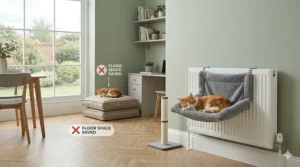
British homes aren’t known for generous square footage. A floor bed occupies valuable floor space in already-cramped living rooms, bedrooms, or kitchens. Radiator beds use vertical space that’s otherwise wasted, freeing up floor areas for humans. This matters enormously in London flats, terraced houses, and studio conversions where every square metre counts.
Elevated Viewing Position: Radiator Beds Win
Cats naturally prefer elevated sleeping spots with good sight lines—it’s instinctive behaviour from their wild ancestors who needed to watch for threats. Floor beds place cats at ground level where they feel more vulnerable, whilst radiator beds provide the height advantage cats crave. You’ll notice your cat is visibly more relaxed when they can survey the room from their radiator perch.
Flexibility and Portability: Traditional Beds Win
Here’s where floor beds triumph: you can move them anywhere instantly. Radiator beds are tethered to heating locations, limiting placement options. If your cat decides they prefer sleeping in the conservatory this month, a floor bed relocates in seconds. Radiator beds require you to have a radiator in that room—not always possible in British home configurations.
Washing and Maintenance: Draw
Both styles need regular cover washing, though radiator bed covers arguably dry faster when draped over (yes) the radiator itself. Floor beds accumulate more dirt from paw traffic, whilst radiator beds collect airborne dust from convection currents. Call this one even, with both requiring fortnightly attention in typical British households.
How to Choose the Right Radiator Cat Bed for Your UK Home
Right, you’re convinced your cat needs a radiator bed. But which one? Here’s the decision framework that actually works in British conditions.
Step 1: Measure Your Radiator Precisely
You need width (the full horizontal span), depth at the top where hooks attach, and the gap between radiator and wall. British radiators vary wildly—I’ve measured everything from 6cm slimline jobs in new flats to 14cm Victorian cast-iron beasts. Write these numbers down before browsing Amazon, because you will forget them.
Step 2: Weigh Your Cat (Honestly)
Pick up your cat, weigh yourself together, then weigh yourself alone. Subtract. Most British moggies fall in the 4-6kg range, but chunky cats easily hit 7-8kg. Add 1-2kg buffer for safety—cats gain weight over winter, and you don’t want to replace a bed mid-season because Mr Tibbles discovered second helpings.
Step 3: Assess Your Cat’s Sleeping Style
Does your cat curl into a tight ball or sprawl like a starfish? Curl-uppers love round beds with raised rims; sprawlers need rectangular platforms. Watch your cat’s preferred positions over a few days—their habits tell you exactly what bed shape they’ll actually use.
Step 4: Check Radiator Type Compatibility
Single-panel radiators take most standard beds easily. Double-panel (Type 21 and Type 22 in British radiator terminology) need specific wide-fit designs. Convector radiators with curved tops often won’t work with hook designs—you’ll need adjustable brackets or platform-style beds. If you’re renting and the radiator is mysterious, ask your landlord or take photos to hardware shops for identification.
Step 5: Factor in Washing Frequency
Long-haired cats shed more, muddy outdoor cats need weekly cover washing, whilst short-haired indoor cats might go fortnightly. Choose beds with easily removable, machine-washable covers unless you enjoy wrestling damp fleece. Models with zips beat sleeve-style covers that stretch and distort after repeated washing.
Step 6: Consider Your Budget and Expectations
Budget £8-£15 beds serve as trials or for kittens who’ll outgrow them. Mid-range £15-£25 models last 2-3 winters with proper care. Premium £30-£50 options are investment pieces for committed cat households. Don’t spend £40 if you’re just testing the concept—but equally, don’t expect a £9 bed to survive a British Shorthair’s enthusiastic kneading for five years.
Frequently Asked Questions
❓ Are radiator cat beds safe for all radiator types in UK homes?
❓ How do I stop my radiator cat bed from wobbling or falling off?
❓ Can radiator cat beds damage my radiator or affect heating efficiency?
❓ What's the best radiator cat bed for large British Shorthair cats?
❓ Do cats actually use radiator beds during British summer months?
Conclusion: Finding Your Cat’s Perfect Winter Spot
After three months observing Oscar and dozens of other British cats navigate radiator bed options, one truth emerges: the best bed is the one your cat actually uses. Price doesn’t guarantee adoption, nor does the fanciest design. But matching bed features to your specific circumstances—radiator type, cat size, home environment—dramatically improves success odds.
For most British households, the Fur & Bone Cat Radiator Bed represents the sweet spot between quality, compatibility, and price around £20-£28. It handles both single and double radiators, supports larger cats comfortably, and UK customer reviews consistently praise its stability through multiple winters. If you’re budget-conscious or testing the concept, the DIVCHI under £18 offers decent value, whilst premium buyers seeking furniture-grade aesthetics should explore the KARPO handcrafted option.
The real value extends beyond the product itself. A properly installed radiator bed solves multiple problems simultaneously: it keeps your cat off dangerously hot radiator surfaces, provides the elevated warmth they instinctively crave, and frees up precious floor space in compact British homes. On those brutal January mornings when frost patterns coat windows and heating struggles to warm draughty Victorian conversions, watching your cat contentedly curled in their radiator haven is genuinely satisfying.
One final piece of advice from the trenches: introduce the bed before winter properly arrives. Let your cat investigate when radiators are merely lukewarm, so they associate the bed with comfort rather than sudden heat. Oscar needed three days of cautious sniffing before his first tentative try; now I literally cannot remove him during heating hours without accusatory glares.
British cats deserve winter comfort as much as British humans clutching tea mugs and complaining about the weather. A radiator bed delivers precisely that, wrapped in machine-washable fleece and secured by hooks that won’t scratch your rental deposit away.
Recommended for You
- 7 Best Self Warming Cat Bed vs Electric Options UK 2026
- 7 Best Orthopaedic Cat Beds for Senior Cats UK – 2026
- 7 Best Heated Cat Beds UK 2026: Expert Reviews & Safety Guide
Disclaimer: This article contains affiliate links. As an Amazon Associate, I earn from qualifying purchases. If you purchase products through these links, we may earn a small commission at no additional cost to you.
✨ Found this helpful? Share it with your mates! 💬🤗
