
In This Article
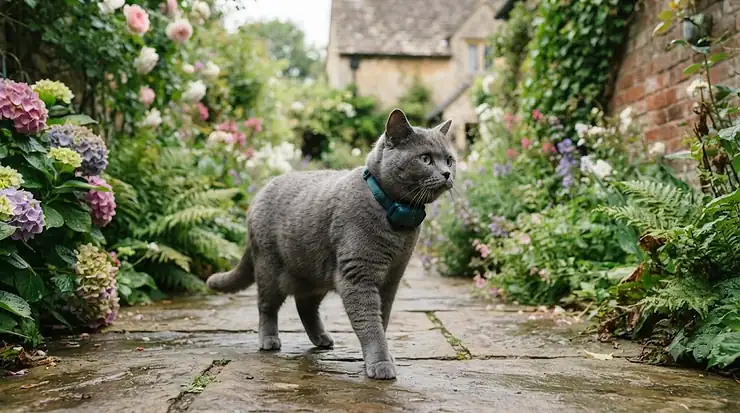
There’s a very specific kind of dread that sets in at 11pm when your cat hasn’t come home. You stand at the back door rattling a treat packet, straining your ears for the jingle of a collar bell, and slowly working through the mental list of neighbours’ sheds she might be locked in. A cat GPS tracker exists precisely for that moment — a small collar-mounted device that tells you, on your phone, roughly where your cat is right now instead of leaving you to guess.
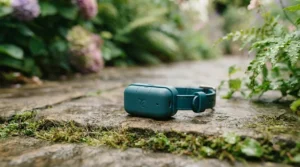
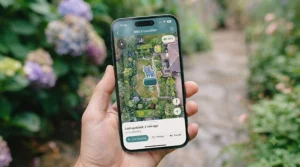
What is a cat GPS tracker? It’s a lightweight electronic tag, usually clipped to a breakaway collar, that uses GPS (and often a mobile network) to send your cat’s location to an app on your phone, typically with live updates, location history and a virtual “safe zone” alert if she wanders too far.
Under the Microchipping of Cats and Dogs (England) Regulations 2023, every cat in England must now be microchipped — but a microchip only helps once someone finds your cat and scans them. A cat GPS collar closes that gap by telling you where your cat is before a stranger ever gets involved. This guide compares seven real, currently available devices — from premium live-tracking units to no-subscription radio finders — so you can pick the right one for your cat’s personality, your budget, and how far your feline actually roams.
Quick Comparison Table
| Tracker | Best For | Weight | Subscription |
|---|---|---|---|
| Tractive CAT Mini | Best overall | ~25-28g | Yes, from ~£4.50/mo |
| Weenect Cat XS | Best value mid-range | 27g | Yes, from ~£3.75/mo |
| Pawfit Lite for Cats | Lightest 4G tracker | 17.6g | Yes, ~£5-£8/mo |
| Tabcat V2 | No subscription, short range | 5-6g | None |
The table above only scratches the surface, but it’s enough to spot the fundamental trade-off running through this whole category: the lighter and cheaper the device, the more likely it either needs an ongoing subscription or sacrifices range. Notice that the two subscription-free options here — effectively, radio-frequency finders rather than true cellular GPS — trade real-time global tracking for zero monthly cost. If your cat mostly patrols your street, that trade might suit you perfectly; if she vanishes for days at a time, it probably won’t.
💬 Just one click — help others make better buying decisions too!😊
Top 7 Cat GPS Trackers: Expert Analysis
Coverage below spans budget, mid-range and premium devices, plus a genuine no-subscription alternative and a Bluetooth-based backup option, so there’s a realistic pick whatever your cat’s roaming habits and your appetite for monthly fees.
1. Tractive CAT Mini — best all-rounder for live tracking and health data
The standout here is LIVE mode, which refreshes your cat’s position every 2-3 seconds rather than the periodic pings most rivals offer. Under the hood, the Tractive CAT Mini runs on a multi-carrier LTE network active in more than 175 countries, so the same device keeps working if you take your cat on holiday within Europe. Tractive quotes up to five days of battery per charge with Power Saving Zones enabled, though independent testers who lean heavily on LIVE mode report faster drain in practice — worth knowing before you rely on it during a genuine search. Based on the spec comparison with its rivals, the Tractive CAT Mini earns its reputation through polish rather than any single killer feature: the app is mature, the breakaway Rogz collar is genuinely cat-sized, and the activity/sleep monitoring adds a layer most competitors skip entirely. It suits owners in areas with solid 4G coverage who want a “set it and forget it” experience rather than a project. Reviewers consistently note strong live-location accuracy and an unusually compact, comfortable build for such a feature-rich device; a recurring complaint is that LIVE tracking noticeably shortens battery life and that rural mobile signal can cause brief location gaps.
Pros:
- ✅ Live location updates every 2-3 seconds in LIVE mode
- ✅ Works across 175+ countries on one subscription
- ✅ Genuinely cat-proportioned, comfortable breakaway design
Cons:
- ❌ Heavy LIVE mode use drains the battery faster than advertised
- ❌ Rural or patchy signal areas can cause location delays
At the time of research, hardware sits around £40-£50, with subscription plans starting from roughly £4.50 a month on longer commitments. Given the coverage and app quality, it’s a fair asking price for cats that genuinely roam.

2. Weenect Cat XS — smallest tracker with unlimited-range coverage
What most buyers overlook about the Weenect Cat XS is that “unlimited range” doesn’t mean unlimited technology — it runs on 2G/GSM networks rather than 4G/LTE, which keeps the hardware small and the battery efficient but ties performance to GSM coverage, currently strongest across Europe and the UK. At 27 grams with an IP67 waterproof rating, it’s genuinely one of the smallest cat-specific trackers on the market, and Weenect backs it with a lifetime hardware warranty, a rarity in this category. On paper this means a device built for owners who mainly need reassurance within the UK and nearby Europe rather than worldwide roaming. Weenect’s own testing and third-party reviews describe accurate real-time positioning and an easy setup process, and Amazon UK’s aggregated review data shows accuracy mentioned positively far more often than negatively. A recurring theme in user feedback is that the tracker occasionally stops charging correctly after extended use, so checking the warranty terms before buying is sensible.
Pros:
- ✅ One of the lightest cat-specific trackers at 27g
- ✅ IP67 waterproof rating handles rain and puddles easily
- ✅ Lifetime hardware warranty included as standard
Cons:
- ❌ Relies on 2G/GSM, strongest only across Europe and the UK
- ❌ Some owners report charging faults developing over time
Pricing typically falls in the £40-£50 range for the device, with subscriptions from around £3.75 a month on a multi-year plan up to roughly £13 monthly rolling. It’s strong value if European-only coverage suits your lifestyle.
3. Pawfit Lite for Cats — the lightest 4G GPS tracker built for cats
At just 17.6 grams, the Pawfit Lite for Cats is the lightest dedicated 4G cellular tracker in this line-up, noticeably lighter than the Tractive and older Jiobit devices it’s often compared against. Here’s what to weigh: that featherweight build comes from a smaller battery, so expect 3-5 days per charge rather than a week, and the trade-off is worth it specifically for skittish or very small cats who’ve previously shrugged off bulkier collars. It uses genuine 4G multi-network GPS rather than Bluetooth crowd-sourcing, carries an IP68 waterproof rating (the highest consumer standard), and ships with a breakaway safety collar plus a built-in LED light for spotting your cat after dark. Reviewers consistently note that cats “forget it’s there” faster than with heavier alternatives, and Trustpilot feedback for the Pawfit brand sits around 4.5 stars, with accuracy and ease of setup praised most often. A smaller number of reviews mention the tracker occasionally failing to respond when a cat is hiding in a low-signal spot.
Pros:
- ✅ Lightest dedicated 4G cat tracker currently available
- ✅ IP68 waterproof — the highest consumer rating
- ✅ Breakaway collar and LED locator light included
Cons:
- ❌ Battery life of 3-5 days trails heavier competitors
- ❌ Occasional non-response reported when signal is weak
Expect around £40-£50 for the hardware, with subscriptions in the £5-£8 monthly range depending on plan length — excellent value for weight-conscious owners.
4. Invoxia Pet Tracker — the longest battery life on this list, by far
The spec sheet won’t tell you this at a glance, but the Invoxia Pet Tracker solves the single biggest pain point of cellular cat GPS trackers — constant recharging — by using low-power LoRa and Sigfox networks instead of standard cellular data. At 15 grams with up to a month of battery life per charge, it’s built for owners who worry less about pinpoint accuracy and more about the tracker still being alive after their cat has been missing for several days. That reliability comes at a cost: positional accuracy sits around 5-80 metres, noticeably looser than the metre-level precision cellular rivals aim for, and the casing is water-resistant rather than fully waterproof. Based on the spec comparison, this is the pragmatic choice for rural cats or nervous first-time owners who want the tracker itself to be the last thing that fails. Independent reviewers report real-world battery life sometimes closer to two weeks than the advertised month in areas with weaker network reception, though it still comfortably outlasts every cellular competitor here several times over.
Pros:
- ✅ Up to one month of battery life between charges
- ✅ Multi-year subscription bundled into the purchase price
- ✅ Lightweight at just 15g for sensitive cats
Cons:
- ❌ Positional accuracy (5-80m) trails cellular GPS rivals
- ❌ Water-resistant only, not fully submersible
At the time of research, expect around £100-£140 including the bundled multi-year subscription — a higher upfront outlay but very little ongoing cost for years afterwards.
5. Kippy CAT v2 — multi-technology locating with an anti-strangling system
The Kippy CAT v2 stacks GPS, GLONASS, Wi-Fi, Bluetooth and cell-tower triangulation into one device, which in theory improves accuracy indoors and in dense urban areas where satellite-only GPS can struggle. What most buyers overlook is the built-in anti-strangling mechanism, a genuinely thoughtful safety feature that goes beyond the basic breakaway buckle most competitors rely on, designed specifically for cats above 4kg. On paper this multi-technology approach should deliver best-in-class reliability, and some owners do report exactly that. However, honest reporting demands flagging the flip side: aggregated Trustpilot feedback sits around 4 stars overall, but a meaningful share of reviews describe app connectivity glitches, implausible location jumps (“your cat is 700km away”), and frustrating subscription-cancellation processes. Reviewers consistently note the activity and sleep-tracking features work well when the core location service is behaving.
Pros:
- ✅ Combines five positioning technologies for better accuracy
- ✅ Genuine anti-strangling safety mechanism built in
- ✅ Detailed activity and health monitoring alongside location
Cons:
- ❌ Notable share of reviews describe app or GPS glitches
- ❌ Some users report a difficult subscription-cancellation process
Hardware typically runs £70-£90, with subscriptions around £8-£12 a month. The safety engineering is compelling, but check current app store reviews before committing, since reported reliability has been inconsistent.
6. Tabcat V2 — the no-subscription option, but it isn’t actually GPS
Worth being upfront about: the Tabcat V2, made by UK firm Loc8tor, uses radio-frequency (RF) technology rather than satellite GPS, so it’s included here as the honest “no ongoing cost” alternative rather than a true cat GPS tracker. A handheld locator guides you toward the tag using directional lights and beeps, accurate to within centimetres once you’re close, but the practical range tops out around 150 metres in open conditions and considerably less through walls and fences. What that means in practice: it’s excellent for finding a cat wedged behind a shed or hiding under a neighbour’s decking, and useless the moment she wanders further than a few streets. The lightweight 5-6 gram tag needs no charging and can run for 3-12 months on a single coin battery, a genuine advantage over every cellular device on this list. Tabcat’s own testimonials and third-party reviews describe it finding cats “GPS trackers can’t,” though several users report the handset occasionally failing to detect a nearby tag, and replacement batteries can be awkward to source quickly.
Pros:
- ✅ Zero subscription fees, ever — a single one-off purchase
- ✅ Tag battery lasts 3-12 months without charging
- ✅ Pinpoints exact hiding spots better than GPS indoors
Cons:
- ❌ Not true GPS — no live map, history, or long-range tracking
- ❌ Practical range is closer to 150m, less through obstacles
Expect around £60-£90 one-off for the standard two-tag kit. It’s the cheapest long-term option for a homebody cat, but genuinely the wrong choice if yours roams far.
7. Apple AirTag — the cheapest entry point, with real limitations
The Apple AirTag, clipped into a third-party breakaway cat collar holder, is the budget option every comparison guide mentions and few properly interrogate. It uses Bluetooth and Apple’s crowd-sourced Find My network rather than cellular GPS or satellite positioning, meaning your cat’s location only updates when another Apple device happens to pass nearby — near-constant in dense UK suburbs, close to non-existent on a country lane. Here’s what to weigh: there’s no live tracking, no geofencing built into the device itself, and no activity monitoring, and Apple has never marketed the AirTag as a pet-safety product. What the spec sheet won’t tell you, but reviewers and safety guides note, is the real risk of choking or entanglement if it isn’t secured in a proper breakaway holder, since the disc itself has no pet-specific attachment or safety release. Reviewers consistently frame it as “better than nothing” for a mostly indoor cat who occasionally slips out, but consistently unsuitable as a genuine live tracking collar for outdoor cats that roam into rural or low-footfall areas.
Pros:
- ✅ Lowest upfront cost of any option here, no subscription
- ✅ Very small and light once fitted into a holder
- ✅ Simple setup for existing iPhone households
Cons:
- ❌ No live GPS — location only updates near other Apple devices
- ❌ No proper pet safety release without a third-party holder
Budget around £30-£40 for the AirTag itself, plus a few pounds for a breakaway holder. Treat it as a low-stakes backup for an indoor cat, not a substitute for a genuine cat GPS collar.
Setting Up Your Cat GPS Tracker: A Practical First-Week Guide
Getting a cat GPS tracker working well is less about the unboxing and more about the first fortnight of actual wear. Start by charging the device fully before it ever touches your cat’s collar — most units, including the Tractive CAT Mini and Pawfit Lite for Cats, ship at partial charge, and a flat battery on day one is the single most common “it doesn’t work” complaint in early reviews. Fit the breakaway collar with two fingers of slack, not tight enough to restrict movement and not loose enough to spin the tracker under your cat’s chin, where it can chafe.
Expect a short adjustment period. Most cats freeze, scratch at the collar, or walk oddly for the first day or two — this is completely normal and almost always passes within 48-72 hours if you don’t remove the collar the moment they fuss. A common mistake in the first 30 days is checking the app obsessively during this settling-in period and assuming poor signal means a faulty device, when it’s often simply your cat sleeping somewhere indoors where GPS reception is naturally weaker. Set your virtual safe zone generously at first — too tight a boundary triggers constant false alerts and trains you to ignore them, which defeats the purpose entirely. Finally, build a habit around charging: pick a consistent moment, such as when your cat naps indoors after breakfast, so the tracker never runs flat during the exact overnight hours it’s most likely to matter.
Real-World Scenarios: Matching the Tracker to Your Cat
Not every cat GPS tracker suits every cat, and matching device to lifestyle avoids a lot of buyer’s remorse. Consider three common profiles.
The indoor-outdoor flat cat: a cat with access to a small enclosed garden or a quiet cul-de-sac, rarely straying more than a street or two. For this profile, something like the Tabcat V2 or even an Apple AirTag in a proper holder is genuinely adequate — you’re solving “where exactly is she right now” rather than “has she vanished for three days,” and there’s no reason to pay a monthly subscription for capability you’ll never use.
The rural roamer: a farm or countryside cat covering fields, hedgerows and neighbouring properties with patchy 4G reception. Here, the Invoxia Pet Tracker‘s month-long battery and low-power network resilience matter more than pinpoint accuracy, since the priority shifts from “exactly where” to “still tracking, even after days away.”
The anxious first-time tracker owner: someone who’s recently adopted a rescue cat with an unknown outdoor history and wants maximum reassurance. The Tractive CAT Mini or Kippy CAT v2‘s live-updating, feature-rich apps suit this profile best, even at a higher monthly cost, because the psychological value of checking in real time genuinely outweighs the subscription price for many new owners during that first anxious year.
Common Problems With Cat GPS Trackers, and How to Fix Them
Problem: the tracker shows your cat “miles away” when she’s asleep on the bed. This is almost always a GPS drift glitch rather than a real fault, common with the Kippy CAT v2 and occasionally the Weenect Cat XS; force-close and reopen the app, and if it persists, check for a firmware update before assuming the hardware has failed.
Problem: battery dies faster than advertised. LIVE or continuous tracking modes are the usual culprit. Switching to a scheduled or activity-only update interval on the Tractive CAT Mini or Pawfit Lite for Cats can more than double the realistic battery window between charges.
Problem: no signal at all in a specific part of your garden or house. This typically means poor cellular coverage in that exact spot rather than a broken device — a concrete outbuilding or a basement can block GPS entirely. A no-subscription real-time cat location device like the Tabcat V2, which uses RF instead of cellular signal, often succeeds precisely where cellular trackers fail indoors.
Problem: your cat keeps losing the collar. Frustrating, but it means the breakaway safety mechanism is doing its job correctly under snagging pressure — the fix is a slightly better-fitted collar, not a non-breakaway replacement, which introduces genuine strangulation risk instead.
Problem: subscription costs creeping up unnoticed. Set a calendar reminder to review your plan annually; several subscription-based cat tracker services quietly default renewing customers onto pricier monthly billing rather than the cheaper multi-year rate available at initial purchase.
✨ Don’t Miss These Exclusive Deals!
🔍 Take your cat’s safety to the next level with these carefully selected trackers. Click on any highlighted product to check current pricing and availability, and give your cat the freedom to explore with real peace of mind for you.
How to Choose a Cat GPS Tracker
Choosing the right cat GPS tracker comes down to matching a handful of criteria against how your specific cat actually lives.
- Assess how far your cat genuinely roams. Studies using GPS tracking suggest most domestic cats stay within around 50-200 metres of home most of the time, though ranges vary hugely by individual, sex and environment, with some roaming considerably further. A homebody needs less range than an adventurous tom.
- Check network coverage where you live. 4G/LTE devices like the Tractive CAT Mini and Pawfit Lite for Cats need decent mobile signal to work reliably; rural addresses should weigh the Invoxia Pet Tracker‘s low-power network more heavily.
- Weigh subscription cost against your budget honestly. A subscription-based cat tracker adds up over several years — do the maths on total cost of ownership, not just the headline device price.
- Prioritise weight for small or nervous cats. Anything over roughly 25-30 grams can visibly affect a small cat’s behaviour; the Pawfit Lite for Cats at 17.6g solves this directly.
- Confirm the waterproof rating matches your climate. A waterproof cat GPS collar rated IP67 or IP68 is genuinely worth paying for given how much time an outdoor cat spends in British drizzle.
- Look for a proper breakaway attachment. Non-negotiable for safety, regardless of which tracker you choose.
- Read recent app store reviews, not just the product page. Software reliability changes over time, and a device that was excellent two years ago may have degraded — or improved — since.
Cat GPS Collar vs Traditional ID Tag and Microchip-Only Approach
A cat GPS collar and a traditional engraved ID tag solve genuinely different problems, and understanding the difference matters more than most buying guides admit.
| Approach | Tells You Location? | Ongoing Cost | Best For |
|---|---|---|---|
| Cat GPS tracker | Yes, live or recent | Often, subscription | Owners wanting proactive alerts |
| Microchip only | No, only after scanning | None after implant | Legal compliance, ID after recovery |
| Engraved ID tag | No | None | Quick visual ID by a finder |
| Cat GPS collar + microchip | Yes, plus permanent backup ID | Subscription for tracker | Comprehensive protection |
The analysis here is straightforward: a microchip is compulsory under UK law and is the only permanent, tamper-proof form of identification, but it does nothing until a vet or shelter physically scans your cat — it’s entirely reactive. A cat GPS tracker, by contrast, is proactive; it tells you the moment your cat leaves a safe zone rather than waiting for a stranger to find her days later. Neither replaces the other. The strongest setup pairs a live tracking collar for outdoor cats with an up-to-date microchip registration, since the tracker helps you find her quickly and the chip provides a fail-safe if the collar is ever lost. Skipping the tracker to rely on a chip alone means accepting a purely reactive safety net.

Common Mistakes When Buying a Cat GPS Tracker
Even careful buyers make predictable errors in this category. The most frequent is buying based on the dog-tracker version of a brand’s line-up rather than the dedicated cat model — dog trackers are routinely 15-40% heavier and genuinely uncomfortable on a cat’s neck, even from otherwise excellent brands. A close second is ignoring network coverage entirely: a beautifully specced 4G tracker is worthless in a rural notspot, while a 2G-reliant device like the Weenect Cat XS is fine in most of the UK but could disappoint on holiday further afield.
Many owners also underestimate subscription costs by focusing only on the device price, then find the true two-year cost of a subscription-based cat tracker is two or three times the hardware cost alone. Another common mistake is skipping the breakaway collar entirely to save a few pounds, which meaningfully increases entanglement risk for an outdoor cat — never worth the saving. Finally, plenty of buyers assume “waterproof” and “water-resistant” mean the same thing; they don’t, and the distinction matters the first time your cat gets caught in genuine British rain rather than a light drizzle.
What to Expect: Real-World Performance of a Real-Time Cat Location Device
Specs on a box rarely translate directly into lived experience, so here’s what actually happens day to day. A genuine real-time cat location device like the Tractive CAT Mini in LIVE mode feels closest to a live video call with your cat’s whereabouts — you watch the dot move along a garden fence line in something close to real time. Outside of LIVE mode, most devices instead ping every few minutes, which is perfectly adequate for peace of mind but won’t show you the exact route your cat took, only her position at each check-in.
Expect occasional gaps. GPS accuracy commonly drifts by 5-15 metres even on premium devices, tighter near open sky and looser under dense tree cover or between buildings — normal physics, not a fault. Indoors, cellular GPS trackers routinely struggle, since concrete and metal roofing block satellite signal; this is precisely where a Bluetooth or RF-based backup, like the Tabcat V2, genuinely outperforms even the best cellular tracker. Battery behaviour also differs from the box claim in daily use — most owners report real-world battery life running 10-25% shorter than advertised once LIVE mode, cold weather, and normal signal fluctuation are all factored in together.
Waterproof Cat GPS Collar: Why IP Ratings Matter
A waterproof cat GPS collar isn’t a nice-to-have extra in the UK — with rain a near-constant feature of the British outdoors, it’s close to essential. IP ratings tell you precisely what you’re getting: IP67 means the device survives temporary submersion up to one metre for around 30 minutes, which covers rain, puddles and an unexpected dip in a garden pond. IP68, found on the Pawfit Lite for Cats, extends that protection further, tolerating longer or deeper submersion.
What most buyers overlook is the difference between a device marketed as “water-resistant” versus genuinely “waterproof” — the Invoxia Pet Tracker, for instance, is water-resistant rather than fully waterproof, meaning it copes with rain but shouldn’t be trusted after a proper soaking in a stream. Based on the spec comparison across this list, any cat that spends real time outdoors deserves at minimum an IP67-rated device; anything less risks a dead tracker after the first heavy downpour, precisely when you need it working.
Subscription-Based Cat Tracker: Long-Term Cost and Maintenance
The upfront hardware price is only ever half the picture with a subscription-based cat tracker, and the total cost of ownership tells a very different story over two to three years.
| Tracker | Hardware (approx.) | Monthly Plan (approx.) | 2-Year Total (approx.) |
|---|---|---|---|
| Tractive CAT Mini | £40-£50 | from £4.50 | £150-£160 |
| Weenect Cat XS | £40-£50 | from £3.75 | £130-£140 |
| Pawfit Lite for Cats | £40-£50 | £5-£8 | £160-£240 |
| Tabcat V2 | £60-£90 | £0 | £60-£90 |
Looking at the table above, the pattern is clear: over two years, every cellular subscription tracker roughly triples or quadruples its own hardware cost through ongoing fees, while the Tabcat V2 stays flat because there’s simply no subscription to pay. That doesn’t make subscription trackers poor value — live tracking and global coverage genuinely cost something to deliver — but it does mean the decision is really about whether you’re paying for capability you’ll actually use. Maintenance costs matter too: budget for an occasional replacement breakaway collar (a few pounds, every few months for an active outdoor cat) and, for battery-only devices like the Tabcat V2, a coin-cell replacement roughly once a year.
Live Tracking Collar for Outdoor Cats: Safety and Regulations
Fitting a live tracking collar for outdoor cats sits alongside, rather than instead of, the UK’s legal identification requirements. Since June 2024, every cat in England must be microchipped by 20 weeks old, with owners facing a fine of up to £500 for non-compliance — the PDSA’s guidance on cat microchipping is a genuinely useful primer if you’re unsure whether your cat’s details are current. A GPS tracker doesn’t replace this requirement; it works alongside it.
On the collar itself, safety should always outrank features. Every device in this guide ships with, or is compatible with, a breakaway buckle designed to release under pressure if the collar snags on a fence, branch, or another cat — a properly fitted breakaway collar is considered safer than no collar at all for an outdoor cat. Fit should allow two fingers of slack, and it’s worth physically checking the release mechanism every few weeks, since wear and grit can occasionally stiffen the clasp on cheaper collars. Regulation-wise, there’s no UK-specific law governing pet GPS trackers themselves, only the underlying microchipping requirement — so the tracker choice comes down entirely to your cat’s needs rather than any compliance box to tick.
Lightweight GPS Tracker for Cats: Comfort and Weight Guide
Weight is the single factor most likely to determine whether your cat tolerates a lightweight GPS tracker for cats at all, particularly for smaller or more nervous individuals. As a rough guide, anything under 20 grams — like the 17.6g Pawfit Lite for Cats or the 15g Invoxia Pet Tracker — is rarely noticed after the first few days of adjustment, even by cats under 4kg. Devices in the 25-30 gram range, including the Tractive CAT Mini and Weenect Cat XS, remain comfortable for most adult cats but are worth introducing gradually for kittens or particularly petite breeds.
Here’s what to weigh: lighter trackers typically carry smaller batteries, so the comfort gain usually comes with a battery-life cost, as seen clearly comparing the featherweight Pawfit Lite for Cats against the noticeably heavier but longer-lasting Tractive CAT Mini. There’s no universally “right” answer — a nervous rescue cat may need the lightest possible option to accept a collar at all, while a large, confident outdoor cat may barely register the extra ten grams needed for a week-long battery.
Tractive Cat Tracker Review: Deep Dive
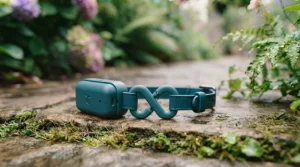
Given how often it tops comparison guides, the Tractive CAT Mini deserves closer scrutiny beyond the standard product summary above. Tractive, an Austrian company founded in 2012, has iterated on cat-specific tracking longer than most competitors, and it shows in the maturity of the app and hardware fit. The unit itself resembles a small rectangular candy bar, roughly 5cm long and under a centimetre thick, genuinely proportioned for a cat rather than shrunk down from a dog design.
Reviewers consistently note that packaging and setup are unusually well thought through, including a quick-start QR code that gets most owners tracking within five minutes. The core LIVE tracking feature performs well in testing, with accurate positioning and minimal lag reported across multiple independent reviews, and territory-mapping over time gives a genuinely interesting picture of a cat’s routine patrols. The main honest criticism, repeated across several independent reviews, is that LIVE mode’s frequent updates meaningfully shorten the advertised battery life, and that virtual “safe zones” function more as an alert system than a true containment fence — your cat can still leave the zone, you’re simply notified quickly when she does. For anyone specifically researching a Tractive cat tracker review before buying, the consensus across independent testers lands consistently around 4 out of 5 stars: excellent core tracking let down slightly by battery trade-offs under heavy use.
FAQ
❓ Do cat GPS trackers work without a collar?
❓ How accurate is a cat GPS tracker?
❓ Can I track my cat without a monthly subscription?
❓ Is a cat GPS tracker safe for kittens?
❓ Do I still need to microchip my cat if I use a GPS tracker?
Conclusion
A cat GPS tracker won’t stop your cat wandering — that instinct is hard-wired — but it transforms those anxious hours into something you can actually act on. Across this comparison, the Tractive CAT Mini remains the strongest all-round pick for most UK owners thanks to its live tracking and global coverage, the Pawfit Lite for Cats wins on sheer wearability for nervous or petite cats, and the Invoxia Pet Tracker earns its place for anyone prioritising battery endurance over pinpoint precision. If ongoing subscription costs are the deciding factor, the Tabcat V2 offers a genuinely different, subscription-free approach, provided you accept its shorter range.
There’s no single “best” answer here, only the right match for your specific cat, your garden, and your budget — but every option above beats standing at the back door at midnight with nothing but a treat packet and hope.
✨ Don’t Miss These Exclusive Deals!
🐾 Ready to give your cat’s safety an upgrade? Check current pricing on any of the trackers above and find the fit that suits your cat’s roaming habits, your budget, and your peace of mind.
Recommended for You
- Breakaway Cat Collar: 7 Safest Picks UK Owners Trust (2026)
- Wicker Cat Carrier UK: 7 Best Stylish Baskets for 2026
- Expandable Cat Carrier: 7 Top Picks for UK Cats in 2026
Disclaimer: This article contains affiliate links. As an Amazon Associate, I earn from qualifying purchases. If you purchase products through these links, we may earn a small commission at no additional cost to you.
✨ Found this helpful? Share it with your friends! 💬🤗
