
In This Article
Picture this: It’s 3 AM, and your beloved moggy is tearing through the house like a furry tornado, knocking over picture frames and using your sofa as a climbing wall. Sound familiar? This common scenario reveals a deeper issue—your indoor cat isn’t getting enough physical activity during the day.
According to research from veterinary experts, whilst there’s limited specific research on feline exercise, the principles from human and canine studies strongly suggest that regular physical activity is crucial for preventing obesity, maintaining cardiovascular health, and supporting mental wellbeing in cats. Indoor cats face unique challenges, as they lack the natural stimulation of outdoor environments where their wild counterparts would hunt, climb, and patrol territories spanning several acres.
Modern veterinary science indicates that healthy adult cats require approximately 30 minutes of exercise daily, though this needn’t be continuous—cats naturally engage in short bursts of intense activity. Without proper outlets for this energy, indoor felines can develop problematic behaviours including furniture destruction, excessive vocalisation, aggression, and depression. More concerningly, sedentary indoor cats face elevated risks of diabetes, arthritis, and obesity-related conditions.
The good news? You don’t need a sprawling garden to keep your indoor cat healthy and entertained. The right indoor cat exercise equipment can transform your living space into an engaging feline fitness centre, satisfying your cat’s instinctual needs whilst protecting your furniture and your sanity. From ingenious exercise wheels to interactive puzzle feeders, modern cat equipment combines veterinary science with clever design to keep housecats physically fit and mentally stimulated.
In this comprehensive guide, I’ll walk you through the top-rated equipment available on Amazon.co.uk, share expert insights from years of feline behaviour research, and provide practical advice to create the ultimate indoor exercise environment for your cherished companion. Whether you’re dealing with a hyperactive Bengal or a portly Persian, there’s a solution here for every cat and every budget.
Quick Comparison Table: Top Indoor Cat Exercise Equipment at a Glance
| Product | Type | Key Feature | Price Range | Best For | Rating |
|---|---|---|---|---|---|
| Yaheetech Cat Tree Tower 138cm | Multi-level Tower | Sisal posts, multiple perches | £31.99-£42.99 | Budget-conscious owners | 4.6/5 ⭐ |
| BELLA·BAYS Automatic Exercise Wheel | Interactive Track | Adjustable speed, remote control | £45-£65 | Tech-savvy cat parents | 4.5/5 ⭐ |
| Nobleza 3-Way Collapsible Tunnel | Play Tunnel | Foldable, suede material | £15.99-£24.99 | Space-limited flats | 4.3/5 ⭐ |
| Amazon Basics Scratching Post 80cm | Scratching Post | Tall sisal post, stable base | £18.99-£25.65 | First-time cat owners | 4.7/5 ⭐ |
| Homegroove Exercise Wheel 43″ | Cat Wheel | Detachable carpet, brake system | £180-£250 | Active breeds | 4.4/5 ⭐ |
| GoldenSun Interactive Cat Toy | Electronic Toy | 8 holes, whack-a-mole style | £22.99-£35.99 | Multiple cats | 4.5/5 ⭐ |
| Feandrea Cat Tree 143cm | Premium Tower | 4 scratching posts, hammock | £52.99-£78.99 | Luxury seekers | 4.6/5 ⭐ |
💬 Just one click – help others make better buying decisions too! 😊
Top 7 Indoor Cat Exercise Equipment: Expert Analysis
1. Yaheetech 138.5cm Multi-Level Cat Tree Tower – Best Overall Value
The Yaheetech cat tree has become a bestseller on Amazon.co.uk for good reason. This versatile piece offers multiple platforms, enclosed condos, and sisal-wrapped posts that satisfy cats’ natural climbing and scratching instincts simultaneously.
Key Specifications:
- Height: 138.5cm (ideal for small to medium-sized cats)
- Material: Sturdy particleboard with plush covering
- Features: 3 sisal posts, 2 condos, dangling toys, hammock option
UK Customer Feedback: British buyers praise its easy assembly and exceptional value. One reviewer from London noted their 9-week-old kitten immediately took to hiding in the cosy houses and playing with the hanging balls. The dark grey colour option blends beautifully with contemporary UK home decor.
Pricing: £31.99-£42.99 (often discounted with Prime)
✅ Pros:
- Outstanding value for money
- Encourages vertical exercise
- Multiple activity zones
- Sturdy construction for daily use
- Easy to assemble with clear instructions
❌ Cons:
- May be too small for Maine Coons or large breeds
- Plush material attracts pet hair
2. BELLA·BAYS Automatic Cat Toy Exercise Wheel – Best Interactive Technology
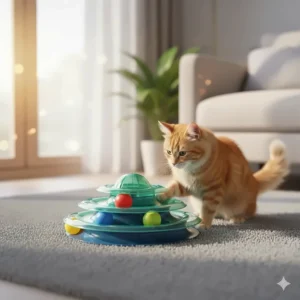
This innovative track system brings a modern twist to feline fitness. Unlike traditional exercise wheels, this automated device uses motorised tracks with adjustable speeds and DIY customisation options that keep cats engaged for extended periods.
Key Specifications:
- Speed range: 1500-3000 RPM (adjustable)
- Power: USB Type-C rechargeable, 2x 2000mAh batteries
- Run time: 15-minute sessions with 2-hour rest periods
- Remote control range: 10-15 metres
UK Customer Feedback: Users appreciate the safety features, particularly the automatic shut-off after 5 cycles to prevent over-exertion. The simulated mouse sounds successfully trigger hunting instincts in even the laziest housecats.
Pricing: £45-£65
✅ Pros:
- Remote-controlled convenience
- Prevents overexertion with auto-timer
- Simulates natural prey movements
- Memory function retains speed settings
- Long battery life (3-5 days per charge)
❌ Cons:
- Some cats need training to use it
- Requires regular charging
3. Nobleza 3-Way Collapsible Cat Tunnel – Best for Compact Spaces
Perfect for UK flats and smaller homes, this suede tunnel provides excellent exercise opportunities whilst folding away neatly when not needed. The grey colour is particularly popular amongst British buyers seeking subtle pet accessories.
Key Specifications:
- Dimensions: D25 × L80 × W30cm
- Material: Durable suede with steel frame
- Features: Central peekhole, suspended ball, crinkle sounds
UK Customer Feedback: Reviewers from across the UK rave about how their kittens play “whack-a-mole” through the centre hole. One Manchester owner mentioned it’s brilliant for two-kitten households as they can ambush each other through multiple entrances.
Pricing: £15.99-£24.99
✅ Pros:
- Space-saving collapsible design
- Fluff-edged centre hole for comfort
- Connects to other tunnels for expansion
- Lightweight and portable
- Chemical-free materials
❌ Cons:
- May collapse at centre with vigorous play
- Not suitable for very large cats
- Wires can poke through after extended use
4. Amazon Basics Cat Scratching Post 80cm – Best Budget Scratching Solution
This no-frills scratching post delivers exactly what UK cat owners need—a tall, sturdy structure that protects furniture whilst encouraging healthy scratching behaviour. Amazon Basics has nailed the essentials without unnecessary embellishments.
Key Specifications:
- Height: 80cm (ideal for full-body stretching)
- Material: Natural sisal rope, stable base
- Includes: Dangling toy for added entertainment
UK Customer Feedback: British owners consistently mention its surprising sturdiness despite the thin appearance in photos. Multiple reviews from UK buyers confirm it withstands daily use from Maine Coons and large moggies without tipping.
Pricing: £18.99-£25.65
✅ Pros:
- Excellent height for proper stretching
- Exceptionally stable base
- Natural sisal lasts months
- Fits any decor style
- FSC-certified sustainable materials
❌ Cons:
- Dangling toy doesn’t last long
- Base may be wider than expected
5. Homegroove Cat Exercise Wheel 43″ – Best for High-Energy Breeds
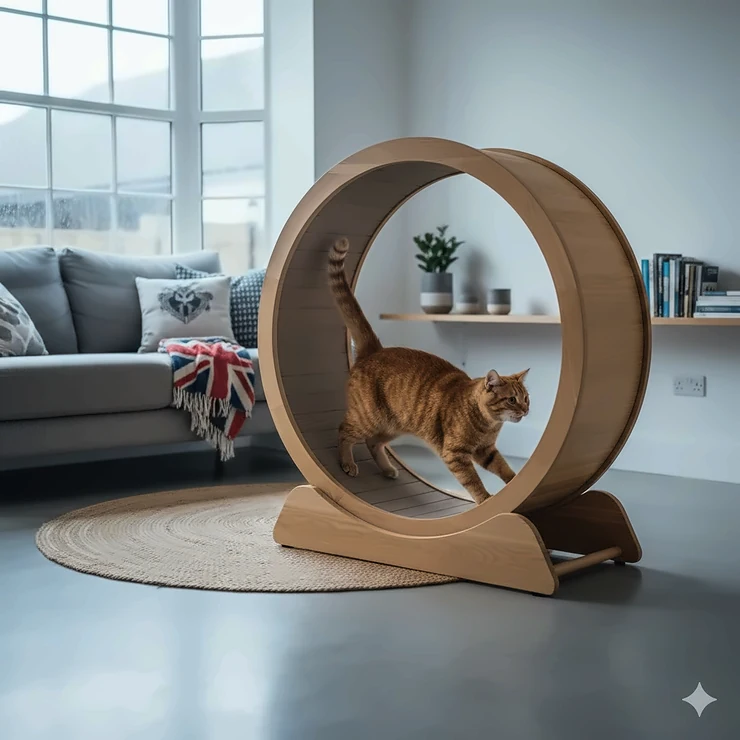
Inspired by hamster wheels but engineered for felines, this substantial exercise wheel is perfect for energetic breeds like Bengals, Abyssinians, and Siamese cats who need serious cardio workouts.
Key Specifications:
- Diameter: 43 inches (109cm)
- Material: Natural wood colour, premium plywood
- Features: Detachable carpeted track, safety brake, anti-slip design
UK Customer Feedback: British Bengal owners report remarkable behaviour improvements after introducing this wheel. One reviewer mentioned their previously destructive cat now voluntarily runs for 10-15 minutes multiple times daily, resulting in calmer evenings.
Pricing: £180-£250
✅ Pros:
- Genuine cardiovascular exercise
- Safety brake prevents runaway spinning
- Easy-clean removable carpet
- Suitable for weight management
- Reduces destructive behaviours
❌ Cons:
- Significant investment
- Requires substantial floor space
- Training period needed for most cats
6. GoldenSun 2-in-1 Interactive Cat Toy – Best Electronic Enrichment
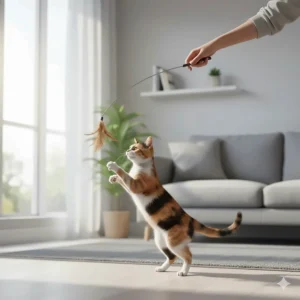
This clever whack-a-mole style toy combines mental stimulation with physical exercise. Eight holes provide unpredictable movement patterns whilst the moving feather attachment triggers natural hunting responses.
Key Specifications:
- Design: 8-hole interactive base with moving targets
- Power: USB rechargeable
- Modes: Automatic and manual operation
- Additional features: Simulated mouse squeaks
UK Customer Feedback: UK buyers with multiple cats report this toy successfully entertains their entire feline family simultaneously. The automatic mode particularly appeals to busy professionals who work from home.
Pricing: £22.99-£35.99
✅ Pros:
- Engages multiple cats simultaneously
- Silent operation (important for UK flats)
- Stimulates hunting instincts
- USB charging (no battery waste)
- Durable ABS plastic construction
❌ Cons:
- Some clever cats figure it out quickly
- Requires flat surface for stability
7. Feandrea Cat Tree 143cm – Best Premium Choice
For discerning cat owners seeking the ultimate indoor cat furniture, Feandrea delivers premium materials and thoughtful design. This tower combines exercise opportunities with luxury resting spots.
Key Specifications:
- Height: 143cm with multiple levels
- Material: High-quality plush and natural sisal
- Features: 4 scratching posts, 2 perches, cave, hammock, pompoms
UK Customer Feedback: British buyers appreciate the FSC-certified sustainable construction. The beige colour option particularly appeals to those with contemporary UK home aesthetics. Reviewers note cats of all ages enjoy different levels.
Pricing: £52.99-£78.99
✅ Pros:
- Premium sustainable materials
- Suitable for multiple cats
- Accommodates all ages (kittens to seniors)
- Aesthetically pleasing design
- Comprehensive activity zones
❌ Cons:
- Higher price point
- Heavier to move once assembled
Understanding Your Indoor Cat’s Exercise Requirements
Why Indoor Cats Face Unique Fitness Challenges
Outdoor cats naturally cover expansive territories—research from The University of Edinburgh suggests free-roaming felines patrol areas spanning several hectares daily. In contrast, indoor cats confined to flats or houses miss crucial physical and mental stimulation that wild behaviours provide. According to PDSA (People’s Dispensary for Sick Animals), the UK’s leading veterinary charity, exercise isn’t merely about burning calories—it’s fundamental for preventing boredom, reducing behavioural issues, and supporting joint health throughout your cat’s life.
The 30-Minute Rule: Breaking Down Daily Requirements
Veterinary experts consistently recommend approximately 30 minutes of exercise daily for healthy adult cats. However, unlike dogs who enjoy sustained activity, cats are natural sprinters designed for short, intense bursts of energy. Think of your moggy as a Formula One car rather than a marathon runner—they excel at explosive power rather than endurance.
Practically, this means scheduling multiple 5-10 minute play sessions throughout the day aligns better with feline physiology than one extended workout. Cats are crepuscular creatures (most active at dawn and dusk), so timing exercise around these natural rhythms often yields better engagement. Morning play before breakfast and evening sessions before dinner can satisfy both exercise needs and simulate natural hunting patterns where cats expend energy before eating.
Age-Specific Exercise Needs
Kittens (0-12 months): These bundles of chaos need extensive playtime—up to 2 hours daily split across 10+ short sessions. Their boundless energy serves developmental purposes, helping build coordination, strength, and social skills. Kittens benefit enormously from varied indoor cat exercise equipment that challenges different skills.
Adults (1-7 years): Healthy adult cats thrive on 30-45 minutes of daily activity. This is the perfect time to establish consistent exercise routines that prevent obesity and maintain muscle tone. Active breeds like Bengals, Siamese, and Abyssinians may require additional stimulation beyond standard recommendations.
Seniors (7+ years): Older cats still need exercise, but intensity should match their comfort levels. Arthritis and reduced mobility necessitate gentler activities. Low-impact options like puzzle feeders, gentle play with feather wands, and accessible climbing structures support joint health without strain.
Types of Indoor Cat Exercise Equipment Explained
Exercise Wheels: The Ultimate Cardio Solution
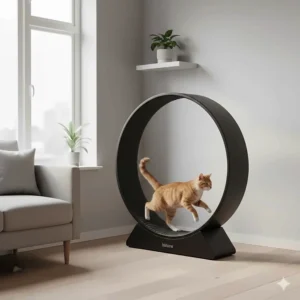
Cat exercise wheels have revolutionised indoor feline fitness. These oversized running wheels allow cats to sprint freely, providing genuine cardiovascular exercise impossible with traditional toys. Whilst initially met with scepticism (many assumed cats wouldn’t use them), thousands of UK owners now swear by them for high-energy breeds.
Benefits include weight management, reduced destructive behaviour, and improved muscle tone. However, they require patience—most cats need 2-4 weeks of training with treats and encouragement before confidently using wheels independently. They’re particularly transformative for breeds with legendary energy levels that struggle in typical indoor environments.
Multi-Level Cat Trees: Vertical Territory Matters
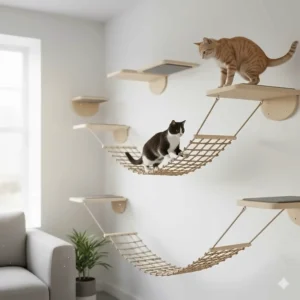
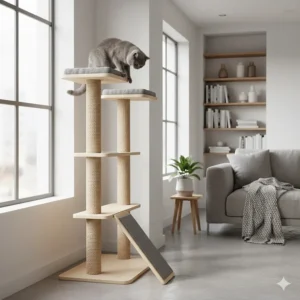
Cats instinctively seek elevated positions for safety and territorial surveillance. Quality cat trees provide vertical exercise opportunities whilst satisfying this deep-seated need. Look for towers with varied heights (minimum 120cm for proper stretching), sturdy sisal-wrapped posts, and multiple activity zones.
The best designs incorporate exercise into exploration—cats climbing between levels engage core muscles, improve balance, and maintain joint flexibility. Enclosed condos offer security, whilst open perches serve as observation posts. For UK homes with limited floor space, vertical equipment maximises exercise potential without cluttering rooms.
Interactive Electronic Toys: Technology Meets Instinct
Modern electronic toys simulate prey movements with randomised patterns that captivate even the laziest housecats. Motion-activated options, rolling balls with unpredictable trajectories, and whack-a-mole style games provide mental stimulation alongside physical activity.
The key advantage? They work when you’re unavailable. Busy professionals working from home appreciate toys that independently entertain cats during video calls or focused work periods. However, electronics supplement rather than replace human interaction—your direct involvement remains crucial for bonding and ensuring proper exercise quality.
Tunnels and Hideaways: Ambush Behaviour Unleashed
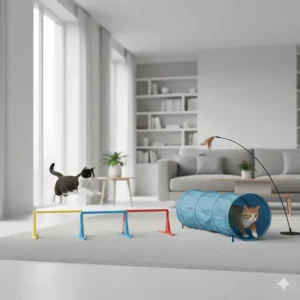
Collapsible tunnels tap into cats’ natural ambush instincts. These lightweight structures encourage running, pouncing, and hiding—behaviours outdoor cats employ whilst hunting. Crinkle materials add auditory stimulation, whilst peek-holes create interactive play opportunities for multi-cat households.
Space-conscious UK dwellers particularly appreciate their foldable nature. After playtime, tunnels collapse into compact storage, perfect for smaller flats. Many designs connect together, allowing you to create elaborate maze systems that evolve as cats master layouts, preventing boredom through variety.
Creating the Perfect Indoor Exercise Environment
Zoning Your Home for Maximum Activity
Strategic equipment placement dramatically impacts usage frequency. Cats prefer exercising in familiar, comfortable spaces rather than isolated corners. Position climbing trees near windows where cats can observe birds and outdoor activity—this natural visual stimulation encourages tree use. Locate scratching posts adjacent to favourite sleeping spots, as cats instinctively stretch and scratch after waking.
Create activity circuits by placing equipment throughout your home rather than clustering everything in one area. A tunnel in the hallway, scratching post in the lounge, and climbing tree in the bedroom encourages movement between rooms, increasing daily step counts naturally.
Rotation Strategy: Preventing Toy Fatigue
Cats are notoriously fickle creatures. A once-beloved toy can become invisible overnight as novelty fades. Combat this by implementing a rotation system—store half your equipment away whilst the other half remains accessible. After 2-3 weeks, swap them. Returning “old” toys after absence often sparks renewed interest as they feel new again.
This strategy proves particularly cost-effective for UK households. Rather than continuously purchasing replacement toys, maximise existing equipment’s lifespan through strategic rotation. It also prevents visual clutter—fewer toys displayed simultaneously keeps homes tidier whilst maintaining cat engagement.
Multi-Cat Household Considerations
Homes with multiple cats require thoughtful equipment distribution. Provide sufficient resources to prevent competition—the general rule suggests one of everything per cat, plus one extra. This includes scratching posts, hiding spots, and elevated perches.
Territorial cats may claim specific equipment, so offer alternatives at different locations. Observe interactions carefully; if squabbles arise over particular pieces, add duplicates to reduce tension. Multi-level cat trees particularly benefit from multiple perches at varying heights, allowing cats to establish separate territories on the same structure without direct confrontation.
Safety Considerations for Indoor Exercise Equipment
Stability and Construction Quality
The paramount concern with any indoor cat exercise equipment is stability. Tipping structures can injure cats and damage property. When evaluating potential purchases, check these critical factors:
Base width: Quality cat trees feature bases at least 40cm × 40cm, providing stability even when cats launch themselves at platforms. Heavier materials like solid wood or thick particleboard resist tipping better than lightweight alternatives.
Weight capacity: Verify equipment specifications match your cat’s size. Maine Coons, Norwegian Forest Cats, and other large breeds require reinforced construction rated for 8-10kg+. Standard equipment designed for average-sized cats may prove inadequate.
Assembly integrity: Poorly secured connections become hazards as cats use equipment vigorously. Ensure all screws, bolts, and connectors tighten securely during assembly. Periodically inspect and retighten connections—enthusiastic play gradually loosens fasteners over time.
Material Safety and Certifications
UK pet owners should prioritise equipment meeting British and European safety standards. Look for:
FSC certification: Forest Stewardship Council certification ensures wood components originate from responsibly managed forests. Beyond environmental benefits, FSC-certified products typically exhibit superior construction quality.
Non-toxic materials: Cats groom themselves constantly, inevitably ingesting material particles. Verify plush fabrics, glues, and finishes contain no harmful chemicals. Avoid equipment with strong chemical odours—these often indicate questionable material safety.
Sisal rope quality: Natural sisal proves safest for scratching surfaces. Some cheaper products use synthetic alternatives containing dyes and chemicals. Whilst slightly pricier, natural sisal lasts longer and poses no ingestion risks.
Preventing Common Exercise-Related Injuries
Even with quality equipment, cats face injury risks without proper precautions:
Overexertion: Excited cats, particularly following toy introductions, may exhaust themselves. Monitor initial play sessions, limiting duration to 10-15 minutes. Watch for excessive panting or reluctance to continue—signs your cat needs rest.
Claw injuries: Regularly inspect sisal posts and carpeted surfaces for wear. Frayed materials can catch claws, potentially causing painful tears. Replace worn components before they become hazards.
Height concerns: Whilst cats typically land gracefully, older cats or those with arthritis may misjudge jumps. Position equipment away from hard floors where possible, or place mats beneath tall structures. Gradually introduce elderly cats to new equipment rather than expecting immediate confidence at heights.
Training Your Cat to Use Exercise Equipment
The Gradual Introduction Method
Cats despise forced situations. Successful equipment adoption requires patience and positive associations. Begin by placing new items in familiar areas without expectations. Allow cats to investigate naturally—some immediately explore, whilst others need days before approaching confidently.
Create positive associations through treat placement. Hide favourite treats on various levels of cat trees or inside tunnel entrances. As cats discover treats during exploration, they develop pleasant associations with equipment. Never force cats onto structures; this breeds fear and avoidance rather than enthusiasm.
Clicker Training for Exercise Wheels
Exercise wheels represent the biggest training challenge. Most cats won’t spontaneously use them, requiring systematic training:
Week 1: Familiarisation – Position treats inside the stationary wheel, rewarding investigation. Simply entering the wheel earns praise and treats, with no movement expectations.
Week 2: Movement Introduction – Gently rock the wheel whilst cats stand inside, rewarding calmness. Gradually increase movement duration as confidence builds.
Week 3: Natural Steps – Use feather toys to encourage walking motions inside the wheel. Even single steps warrant rewards. Patience proves critical—some cats grasp the concept immediately, whilst others require weeks.
Week 4: Independent Running – Once cats understand the wheel moves beneath them, many begin experimenting independently. Maintain positive reinforcement during initial running attempts.
Troubleshooting Common Adoption Issues
Equipment avoidance: If cats consistently ignore new equipment after 2 weeks, reassess positioning. Moving items to different locations sometimes sparks interest. Alternatively, rub catnip onto surfaces (if your cat responds to catnip—approximately 30% don’t) or place favourite sleeping blankets on platforms.
Fear responses: If cats display fear (flattened ears, crouching, retreating), remove the equipment temporarily. Reintroduce gradually, starting further away and moving closer over several days. Never punish fear responses; this intensifies anxiety.
Favouritism: Multi-cat households often see one cat dominate equipment whilst others observe. Provide multiple options so subordinate cats access alternatives without confrontation. Separate but equal resources prevent territorial disputes.
Budget-Friendly DIY Exercise Solutions
Creating Cardboard Climbing Structures
Before investing hundreds in commercial equipment, explore DIY alternatives using household materials. Sturdy cardboard boxes transform into elaborate climbing structures cats adore. Stack boxes at varying heights, cutting doorways between levels. Secure with packing tape, then drape blankets over top platforms for cosy resting spots.
UK craft stores sell sisal rope by the metre (typically £5-£8 for 10 metres). Wrap rope tightly around cardboard tube centres from wrapping paper, creating budget scratching posts. Secure ends with non-toxic glue—these DIY posts surprisingly withstand months of use despite minimal cost.
Homemade Puzzle Feeders
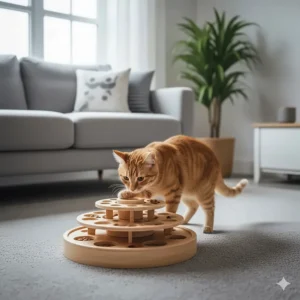
Exercise needn’t involve expensive equipment. Transform mealtime into enrichment by creating puzzle feeders from common household items. Cut holes in plastic bottles (smooth edges thoroughly to prevent injuries), filling them with dry food. Cats must bat bottles around to dispense kibble, combining mental stimulation with physical activity.
Egg cartons work brilliantly too—place individual kibbles in each compartment. Cats must carefully extract food, slowing rapid eaters whilst providing gentle exercise. Toilet paper tubes with ends folded closed and small holes cut sides create similar challenges at zero cost.
Nature-Inspired Window Perches
Cats spend hours observing outdoor activity. Install simple window perches using brackets and wooden shelves (B&Q and Wickes stock suitable materials affordably). Position at windowsill height, padding with cushions. These vantage points provide mental stimulation that complements physical exercise—engaged brains reduce destructive behaviours just as effectively as tired bodies.
Combine window perches with bird feeders placed outside. The resulting wildlife viewing provides natural entertainment that captivates cats for hours, satisfying prey instincts without actual hunting.
Integrating Exercise with Weight Management
The Reality of Feline Obesity in the UK
Britain faces a significant pet obesity crisis. Research indicates that approximately 40-50% of UK cats are overweight or obese. Excess weight dramatically increases risks of diabetes, arthritis, urinary problems, and reduced lifespan—overweight cats typically live 2-3 years less than healthy-weight counterparts.
Unlike dogs where exercise substantially impacts weight loss, cats respond primarily to caloric restriction. However, exercise remains crucial for preventing weight gain, preserving muscle mass during dieting, and providing mental stimulation that reduces stress-eating behaviours. Think of exercise as essential maintenance rather than the primary weight-loss tool.
Combining Equipment with Dietary Management
Successful weight management requires coordinated diet and exercise approaches:
Controlled feeding schedules: Rather than free-feeding, establish set mealtimes. This allows precise calorie monitoring whilst creating natural exercise opportunities—cats anticipate meals and become more active beforehand.
Puzzle feeders for portion control: These devices slow eating whilst burning calories through problem-solving. Studies suggest puzzle feeders can reduce food intake by 20-30% simply by requiring more effort per calorie consumed.
Post-exercise feeding: Feed cats after play sessions, mimicking natural hunting patterns where energy expenditure precedes eating. This timing satisfies instinctual sequences, often resulting in calmer post-meal behaviour.
Monitoring Progress Effectively
Regular weigh-ins provide objective progress measurements. Healthy weight loss targets 0.5-1% body weight weekly. Faster loss can cause dangerous hepatic lipidosis (fatty liver disease), a serious condition in cats.
Beyond scales, monitor body condition visually. Healthy cats display visible waist curves when viewed from above, easily felt ribs with light pressure (but not prominently visible), and minimal abdominal sagging. If uncertain about your cat’s ideal weight, consult your veterinarian—they can establish appropriate targets and monitor progress professionally.
Seasonal Exercise Strategies for UK Climate
Winter Activity Challenges
British winters present unique challenges for indoor cat enrichment. Shorter days mean less natural light stimulation, whilst central heating creates stuffy environments that sap energy. Combat winter lethargy through:
Increased session frequency: With less natural stimulation, initiate extra play sessions. Rather than extending duration, add more frequent 5-minute bursts throughout dark evenings.
Varied activities: Winter’s the perfect time rotating toys aggressively. Novel items combat reduced daylight’s dampening effects on mood and activity levels.
Temperature considerations: Whilst humans appreciate central heating, cats often prefer cooler temperatures. Ensure equipment isn’t positioned near radiators—overheating discourages use.
Summer Adaptations
UK summers, whilst generally mild, occasionally bring heat waves requiring adjustments:
Timing matters: Schedule exercise during cooler morning and evening hours. Midday heat discourages activity, so don’t interpret reduced interest as equipment failure.
Hydration emphasis: Always provide fresh water near exercise areas. Cats naturally drink little, so encouraging hydration becomes especially important during active play in warmer weather.
Cooling surfaces: If you have tiled floors, position equipment there during summer. Cats appreciate cool surfaces for post-exercise lounging. Avoid positioning structures in direct sunlight through windows—this creates uncomfortably hot surfaces.
Common Mistakes to Avoid
Expecting Instant Results
Perhaps the most common owner frustration stems from unrealistic expectations. Cats require time adapting to new equipment. What looks obviously fun to humans often appears scary or confusing to cats initially. Some cats embrace new structures within hours; others need weeks building confidence.
Resist the temptation to “show” cats how equipment works by forcing them onto structures. This approach breeds fear rather than enthusiasm. Trust their natural curiosity—given time and positive associations, most cats eventually investigate independently.
Neglecting Routine Maintenance
Exercise equipment deteriorates through use. Sisal rope frays, plush fabric wears thin, and connections loosen. Weekly inspections catch problems before they become hazards. Tighten loose screws, replace worn components, and clean soiled surfaces regularly.
UK households often overlook cleaning requirements. Cats groom constantly, depositing saliva on everything they touch. Regular vacuuming and occasional surface cleaning prevents bacterial buildup whilst keeping equipment appealing—cats avoid items smelling “wrong” due to accumulated dirt and oils.
Overestimating Exercise Impact on Weight
Owners sometimes assume substantial exercise compensates for overfeeding. Regrettably, feline metabolism doesn’t work this way. Unlike dogs who can “outrun” moderate dietary indiscretions, cats require strict caloric management for weight loss.
Exercise primarily prevents weight gain and supports weight maintenance after successful dieting. It also preserves muscle mass and provides crucial mental stimulation. Adjust expectations appropriately—exercise alone won’t remedy existing obesity, but it’s indispensable for preventing it and maintaining healthy weights long-term.
Frequently Asked Questions
❓ How much exercise do indoor cats need daily?
❓ Will indoor cat exercise equipment damage my furniture?
❓ Can older cats with arthritis still use exercise equipment?
❓ How do I train my cat to use an exercise wheel?
❓ What's the minimum budget needed for proper indoor cat exercise equipment?
Conclusion: Investing in Your Indoor Cat’s Health and Happiness
Creating an enriched environment for your indoor cat isn’t merely about preventing boredom—it’s a fundamental investment in their long-term health, behaviour, and quality of life. The right indoor cat exercise equipment transforms confined spaces into engaging territories that satisfy deep-rooted feline instincts for climbing, scratching, hunting, and exploring.
Throughout this guide, we’ve explored equipment ranging from budget-friendly basics to premium solutions, each offering distinct benefits depending on your cat’s personality, age, and activity level. Remember that no single piece of equipment provides a complete solution. The most successful indoor environments combine multiple elements—vertical climbing structures, interactive toys, scratching posts, and mental stimulation through puzzle feeders—creating varied opportunities throughout your home.
British cat owners enjoy excellent access to quality equipment through Amazon.co.uk and other retailers, with products meeting EU and UK safety standards readily available at competitive prices. Whether you’re setting up for a new kitten, addressing behavioural issues in an adult cat, or adapting environments for aging felines, suitable options exist for every situation and budget.
Start small if necessary. Even a single quality scratching post or collapsible tunnel makes a meaningful difference. Observe your cat’s responses, build gradually upon successes, and remain patient during training periods. The transformation won’t happen overnight, but consistent effort yields remarkable results—reduced furniture damage, improved behaviour, better weight management, and most importantly, a happier, healthier feline companion enriching your life for years to come.
Your indoor cat deserves an environment stimulating their natural abilities and meeting instinctual needs. With the insights and recommendations provided here, you’re well-equipped to create that environment, fostering both their physical fitness and emotional wellbeing within your UK home.
Recommended for You
- 7 Best Door Frame Cat Scratchers UK 2026
- 7 Best Cat Scratcher to Protect Furniture UK 2026
- 7 Best Horizontal Cat Scratchers UK 2026
Disclaimer: This article contains affiliate links. If you purchase products through these links, we may earn a small commission at no additional cost to you. Prices shown are approximate and may vary.
✨ Found this helpful? Share it with your mates! 💬🤗
