
In This Article
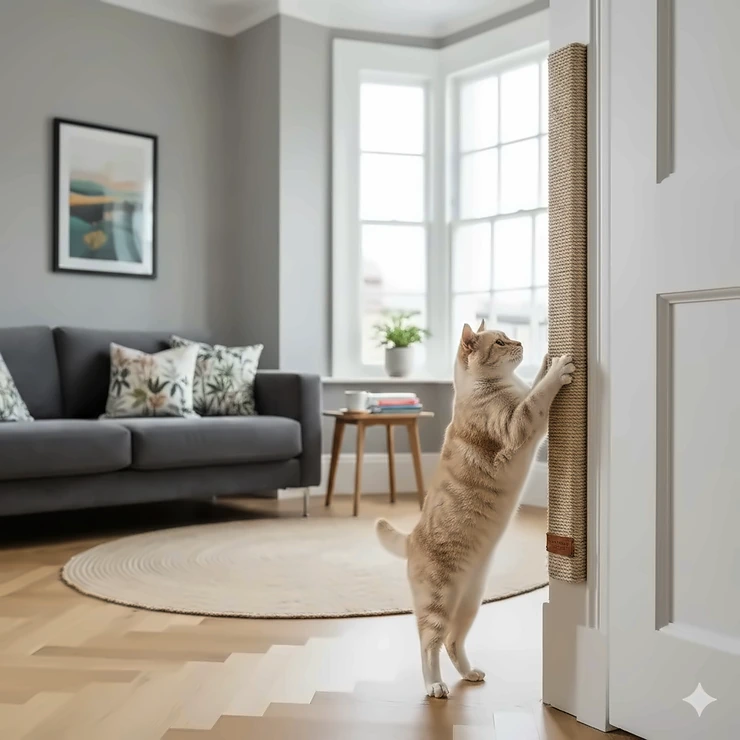
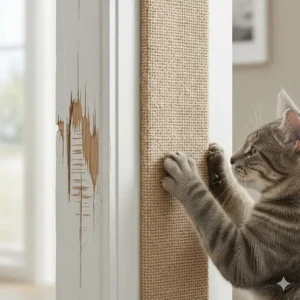
Is your gorgeous door frame looking rather worse for wear? Those telltale vertical scratches and shredded wood aren’t your cat being naughty—they’re actually signs of a happy, healthy feline displaying perfectly natural behaviour. Every cat owner knows the sinking feeling of discovering fresh claw marks on pristine woodwork, but here’s the thing: your moggy isn’t out to sabotage your home décor.
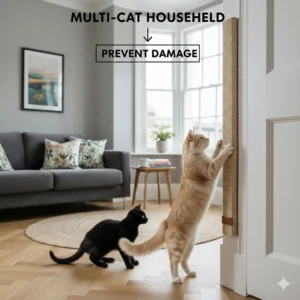
According to recent research published in Applied Animal Behavioural Science, scratching behaviour in cats is often associated with positive emotions rather than stress or territorial marking. Cats scratch to stretch their muscles, maintain claw health, and express contentment—particularly in areas where they feel safe and comfortable. That’s why door frames, especially near favourite rooms, become prime scratching real estate.
A door frame cat scratcher offers the perfect solution: it gives your cat an approved vertical scratching surface right where they want it, whilst protecting your woodwork from further damage. These clever devices mount directly onto door frames, corners, and walls, transforming problem areas into acceptable scratching zones. With over 11 million pet cats in the UK and an increasing trend towards indoor cat ownership, finding the right scratching solution has never been more important. Let’s explore the best options available in 2026 to keep both you and your feline friend happy.
Quick Comparison Table: Top Door Frame Cat Scratchers
| Product | Material | Size | Price (£) | Rating | Best For |
|---|---|---|---|---|---|
| FUKUMARU L-Shape Wall Scratcher | Cardboard | 68 x 42 cm | £16.48-£25.95 | 4.7/5 | Budget & Versatility |
| 7 Ruby Road Vertical Sisal Post | Natural Sisal | 56 x 15 cm | £28.99-£35.99 | 4.5/5 | Premium Quality |
| Navaris Corner Wall Scratcher (2-Pack) | Sisal Mat | 43 x 22 cm | £22.99-£26.99 | 4.5/5 | Corner Protection |
| FUKUMARU Wall Activity Tree | Jute Rope | 125 cm tall | £45.99-£59.99 | 4.6/5 | Large Cats |
| Conlun L-Shape Vertical Board | Cardboard | 58 x 30 cm | £14.99-£18.99 | 4.3/5 | Space-Saving |
| Corner Cat Scratcher 3-Pack | Mixed Materials | 40 x 20 cm | £19.99-£24.99 | 4.2/5 | Multi-Room Setup |
| 7 Ruby Road Large Refillable Post | Sisal Fabric | 75 x 15 cm | £39.99-£49.99 | 4.6/5 | Eco-Conscious |
💬 Just one click – help others make better buying decisions too!😊
Top 7 Door Frame Cat Scratchers: Expert Analysis
1. FUKUMARU L-Shape Cat Scratcher – Best Budget Option
The FUKUMARU L-Shape Cat Scratcher has become an Amazon UK bestseller for good reason. This ingenious 68cm cardboard scratcher offers remarkable versatility—mount it vertically on door frames or walls, position it horizontally as a lounge, or prop it at an angle for maximum scratching satisfaction.
Key Specifications:
- Dimensions: 68 x 42 x 29 cm
- 4cm thick high-density cardboard
- Includes interactive ball toy
- Wall-mounting hardware included
UK buyers consistently praise its dual-purpose design, with one reviewer noting their large tom cat uses it daily whilst saving their door frames from further destruction. The natural corrugated cardboard provides the perfect resistance for deep, satisfying scratches—exactly what cats crave when they’re stretching after a nap.
✅ Pros:
- Exceptional value at £16.48-£25.95
- 100% recyclable eco-friendly materials
- Non-toxic and safe for cats
- Reversible for extended life
❌ Cons:
- Cardboard requires eventual replacement
- Some assembly needed
2. 7 Ruby Road Vertical Sisal Post – Premium Natural Scratcher
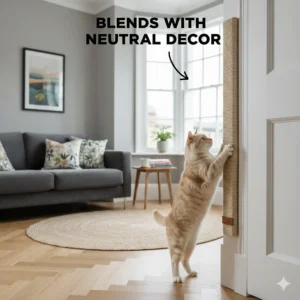
For cat parents seeking something that actually enhances their home aesthetic, the 7 Ruby Road Vertical Sisal Post is an absolute gem. This beautifully crafted scratcher features natural sisal wrapped around a sustainable rubberwood frame, creating a scratcher that’s both functional and furniture-grade gorgeous.
Key Specifications:
- Height: 56cm (perfect for full-body stretches)
- Multi-directional sisal weave
- Anti-slip rubber feet included
- Sanded smooth natural wood finish
Multiple UK reviewers mention their cats abandoned other scratchers in favour of this one. The vertical orientation is ideal for door frame scratchers, as it mimics the natural stretching motion cats perform on door frames. At £28.99-£35.99, it’s an investment piece that prevents hundreds of pounds in door frame repairs.
✅ Pros:
- Stunning minimalist design
- Extremely durable construction
- Can flip upside-down for fresh scratching surface
- Suitable for floor or wall mounting
❌ Cons:
- Higher price point
- Requires wall anchors for secure mounting
3. Navaris Corner Wall Scratcher (2-Pack) – Best for Corner Protection
If your cat targets door frame corners specifically, the Navaris Corner Wall Scratcher two-pack is your solution. These clever L-shaped sisal mats secure with sturdy nylon straps, protecting vulnerable corner areas whilst giving cats the vertical scratching surface they’re seeking.
Key Specifications:
- Each mat: 43 x 22 x 2 cm
- Natural grey sisal material
- 4 nylon mounting straps per set
- Suitable for wallpapered walls
Priced at £22.99-£26.99, this set offers brilliant value for protecting multiple door frames. UK customers report these work particularly well for cats who’ve developed a door frame scratching habit, as they provide resistance exactly where cats want it. The grey colour blends surprisingly well with most door frame finishes.
✅ Pros:
- Protects vulnerable corners
- Two scratchers for multiple locations
- Strap-mounting won’t damage walls
- Generous scratching area
❌ Cons:
- Straps visible when installed
- Not suitable for smooth surfaces
4. FUKUMARU Wall Activity Tree – Best for Large Cats
The FUKUMARU Wall Activity Tree takes door frame protection to the next level by creating an entire climbing and scratching zone. This 125cm tall wall-mounted system features jute rope scratching posts, platforms, and even includes cushions—perfect for households with multiple cats or larger breeds.
Key Specifications:
- Total height: 125cm
- Natural rubber wood construction
- Removable cushions with Velcro
- DIY configurable platforms
At £45.99-£59.99, this is a significant investment, but UK buyers rave about its sturdiness and the dramatic reduction in furniture scratching. One reviewer mentioned their two adult cats use it constantly, with one claiming the hallway placement completely eliminated door frame scratching. The scratch posts are replaceable, extending the product’s lifespan considerably.
✅ Pros:
- Accommodates multiple large cats
- Extremely sturdy wall mounting
- Provides exercise and scratching
- Modern Scandi aesthetic
❌ Cons:
- Requires drilling into walls
- Takes up significant vertical space
5. Conlun L-Shape Vertical Board – Best Space-Saving Design
The Conlun L-Shape Vertical Scratcher proves that effective door frame protection doesn’t require a massive footprint. This 58cm tall cardboard scratcher mounts flush against door frames or walls, providing a full stretching surface without protruding into walkways.
Key Specifications:
- Dimensions: 58 x 30 cm (L-shape configuration)
- High-density recyclable cardboard
- Includes catnip and ball toy
- Wood grain aesthetic finish
Priced affordably at £14.99-£18.99, it’s particularly popular with UK flat dwellers who need space-efficient solutions. The wood grain design looks surprisingly upmarket, and several reviewers note their cats quickly transitioned from scratching actual door frames to using this instead. Perfect for hallways and tight spaces.
✅ Pros:
- Slim profile saves floor space
- Attractive wood grain finish
- Includes attractants to encourage use
- Simple wall mounting
❌ Cons:
- Cardboard less durable than sisal
- Limited colour options

6. Corner Cat Scratcher 3-Pack – Best Multi-Room Solution
For comprehensive door frame protection throughout your home, the Corner Cat Scratcher 3-Pack offers unbeatable coverage. This set includes three corner-mounted scratchers, a grooming brush, and an interactive toy—everything needed to redirect scratching behaviour away from multiple door frames.
Key Specifications:
- Three scratchers (40 x 20 cm each)
- Mixed materials (sisal and carpet)
- Corner-specific mounting design
- Bonus grooming tool included
At £19.99-£24.99, this represents excellent value per unit. UK customers appreciate having scratchers for different rooms, allowing cats to satisfy scratching urges wherever they roam. The variety of materials helps identify which texture your cat prefers, and the corner design specifically targets the areas cats most frequently damage on door frames.
✅ Pros:
- Cost-effective multi-pack
- Covers several problem areas
- Includes bonus accessories
- Suitable for all cat sizes
❌ Cons:
- Mounting quality varies
- May need additional securing
7. 7 Ruby Road Large Refillable Post – Most Eco-Friendly
The 7 Ruby Road Large Refillable Post represents the future of sustainable cat furniture. At 75cm tall, this premium scratcher features a replaceable sisal mat, eliminating the need to purchase an entirely new scratcher when the surface wears down—a game-changer for both your wallet and the environment.
Key Specifications:
- Height: 75cm (extra-tall for big cats)
- Solid pine and plywood construction
- Replaceable 63 x 30 cm sisal mat
- Modern cream/natural wood finish
Priced at £39.99-£49.99, with replacement mats at £15-£20, this scratcher pays for itself over time. UK reviewers consistently mention the exceptional build quality, with one noting it’s remained pristine after two years of heavy use. The tall height is perfect for door frame replacement, as cats can achieve that full-body stretch they’re seeking. According to veterinary behaviour research, providing appropriate scratching surfaces at preferred heights significantly reduces unwanted scratching behaviour.
✅ Pros:
- Sustainable refillable design
- Premium solid wood construction
- Adjustable mounting height
- Long-term cost savings
❌ Cons:
- Higher initial investment
- Replacement mats sold separately
✨ Don’t Miss These Exclusive Deals!
🔍 Take your cat’s wellbeing to the next level with these carefully selected products. Click on any highlighted item above to check current pricing and availability on Amazon.co.uk. These tools will help you create authentic scratching solutions your feline will love!
Understanding Cat Scratching Behaviour
Scratching isn’t your cat being destructive—it’s essential feline behaviour that serves multiple biological functions. Research from the University of Edinburgh’s Royal Dick School of Veterinary Studies has identified scratching as one of the key behavioural needs affecting cat welfare in UK households.
Why Cats Scratch Door Frames
Cats are naturally drawn to door frames for several scientifically-backed reasons. These vertical surfaces provide the perfect resistance for claw maintenance, allowing cats to remove the dead outer sheaths of their claws whilst keeping them sharp and healthy. The stretching motion involved in reaching up a door frame exercises crucial shoulder, back, and paw muscles.
Door frames also represent transition zones in your home—areas where scent communication is particularly important. When cats scratch, they deposit pheromones from scent glands between their paw pads, essentially leaving messages for other cats (and themselves) about territory and emotional state. This is why door frames leading to favourite rooms get scratched more frequently—they’re marking comfort zones.
Interestingly, contrary to popular belief, increased scratching isn’t necessarily a sign of stress. Recent studies suggest that cats often scratch in locations associated with positive emotions, comfort, and security, particularly near sleeping areas and places where they interact happily with their humans.
Benefits of Wall Mounted Cat Scratchers
Wall mounted cat scratchers offer distinct advantages over traditional floor-based scratching posts, particularly when addressing door frame damage. These space-efficient solutions save valuable floor space—crucial in UK homes where every square metre counts.
Space Optimisation
By mounting scratchers vertically on walls or door frames, you’re utilising previously unused space. This is particularly beneficial in flats, rental properties, and smaller homes where bulky cat trees simply aren’t practical. A door frame cat scratcher takes up virtually no floor space whilst providing the vertical scratching surface cats instinctively seek.
Customisable Height
Unlike fixed-height scratching posts, wall-mounted options allow you to position the scratcher at your cat’s preferred height. Kittens benefit from lower placement, whilst large breeds like Maine Coons require scratchers positioned higher for proper stretching. This customisation ensures your cat can achieve that satisfying full-body stretch—the primary reason they’re scratching your door frames in the first place.
Stability and Durability
Wall-mounted scratchers don’t wobble, tip, or slide across floors. This stability is crucial because cats avoid unstable scratching surfaces—they need resistance to properly maintain their claws. A securely mounted door frame cat scratcher provides the solid surface cats require, making it far more appealing than a wobbly floor-standing post.

Materials Comparison: Sisal vs Cardboard vs Carpet
Choosing the right material significantly impacts whether your cat will use a door frame cat scratcher instead of your actual door frames. Different cats have distinct texture preferences, often influenced by what they first scratched as kittens.
| Material | Durability | Cost | Cat Preference | Maintenance | Lifespan |
|---|---|---|---|---|---|
| Natural Sisal | ⭐⭐⭐⭐⭐ | ££-£££ | Very High | Low | 2-5 years |
| Cardboard | ⭐⭐⭐ | £ | High | Medium | 6-18 months |
| Carpet/Fabric | ⭐⭐ | £-££ | Medium | High | 1-2 years |
| Jute Rope | ⭐⭐⭐⭐ | ££ | High | Low | 2-4 years |
Sisal Scratchers
Natural sisal remains the gold standard for cat scratchers. This rough, rope-like material provides excellent resistance, allowing cats to really dig in their claws. Sisal’s durability means it lasts considerably longer than alternatives, making it cost-effective despite higher upfront prices. Most importantly, the texture closely mimics tree bark—what cats would naturally scratch in the wild—making it highly attractive to felines.
Cardboard Options
Corrugated cardboard scratchers have gained massive popularity, and for good reason. They’re eco-friendly, recyclable, and surprisingly effective. Many cats actually prefer cardboard’s unique texture, and the slightly softer surface is gentler on claws. However, cardboard requires more frequent replacement and creates debris that needs regular cleaning. UK brands like FUKUMARU have perfected high-density cardboard that extends lifespan considerably.
Carpet and Fabric
Whilst carpet-covered scratchers are widely available, they’re often less ideal for door frame protection. Carpet can catch and pull claws, and its similarity to household carpets may confuse cats about what’s acceptable to scratch. However, some cats do prefer fabric textures, particularly those raised scratching soft furnishings.
Installation and Positioning Tips
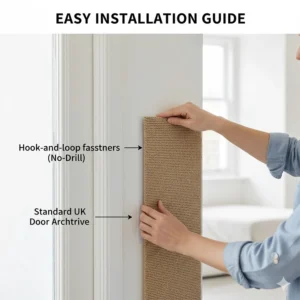
Proper installation transforms a door frame cat scratcher from an ignored accessory into your cat’s favourite spot. Location matters enormously—remember, cats are scratching your door frames for specific reasons related to territory, routine, and comfort.
Strategic Placement
Mount your door frame cat scratcher directly next to (or over) existing scratch damage. Cats return to previously scratched locations due to residual scent markers, so placing the new scratcher there intercepts this behaviour. Door frames leading to bedrooms, living areas, or near feeding stations are prime locations, as these are high-traffic comfort zones where cats naturally want to mark territory.
For maximum effectiveness, position scratchers at multiple key locations rather than just one. Research suggests that providing several appropriate scratching surfaces throughout the home dramatically reduces unwanted scratching behaviour. Think of it as creating an approved scratching highway through your home.
Height Considerations
The ideal height varies by cat size and personal preference. For average-sized cats, mount the scratcher so the top sits approximately 70-90cm from the ground. Larger breeds may prefer 100-120cm, whilst kittens benefit from 40-60cm placement. Watch where your cat scratches your door frames—they’ll often stretch to a consistent height, revealing their preferred scratch zone.
Security and Stability
Use appropriate wall fixings for your wall type—plasterboard requires different anchors than brick or solid walls. Most quality door frame cat scratchers include necessary hardware, but don’t skimp on installation. A poorly secured scratcher that wobbles or falls will be ignored—cats require stability for satisfying scratches. Check mounting security monthly, especially for active scratchers.
Training Your Cat to Use a Door Frame Scratcher
Successfully redirecting door frame scratching requires understanding feline psychology rather than punishment. Cats don’t respond well to negative reinforcement, but they do respond beautifully to positive associations and environmental management.
Positive Reinforcement Techniques
When you catch your cat using the new door frame cat scratcher (even briefly), immediately reward them with treats, praise, or play. This creates positive associations with the scratcher. Some cats respond well to clicker training—click the instant they touch the scratcher, followed by a treat reward.
Catnip can be incredibly helpful for initial attraction. Rub fresh catnip on the scratching surface, or use catnip spray if your scratcher doesn’t include it. Approximately 70-80% of cats respond to catnip, and it can make a new scratcher irresistible. For non-catnip responders, try silvervine—an alternative plant attractant that works on many cats who don’t react to catnip.
Gentle Redirection
If you spot your cat scratching the actual door frame, don’t shout or punish—this creates stress and may actually increase unwanted scratching. Instead, calmly redirect them to the new scratcher. You can gently pick them up and place their front paws on the acceptable surface, then reward if they engage. Some cats benefit from having their paws gently manipulated in a scratching motion on the new surface to demonstrate its purpose.
Protecting Existing Damage
Whilst training progresses, protect damaged door frames with temporary deterrents. Double-sided sticky tape, aluminium foil, or citrus-scented sprays can make previously scratched areas less appealing. However, these should complement—not replace—providing appropriate alternatives. The goal is guiding your cat toward the new scratcher rather than simply preventing all scratching.
Door Frame Cat Scratcher Maintenance Guide
Proper maintenance extends your scratcher’s lifespan whilst keeping it attractive to your cat. Neglected scratchers become less appealing, potentially driving cats back to your door frames.
Regular Cleaning
Weekly vacuuming or lint-rolling removes loose fur and debris from scratching surfaces. For sisal scratchers, use a stiff brush to work out compacted fibres and restore texture. Cardboard scratchers benefit from turning or flipping when one section becomes heavily worn—this exposes fresh surfaces and extends usability.
Avoid harsh chemicals or strong-scented cleaners, as these can deter cats from using the scratcher. If deep cleaning is necessary, use a mild, unscented soap diluted in water, then ensure the scratcher dries completely before your cat accesses it. Many cats are put off by dampness.
Surface Replacement
Even the best door frame cat scratcher eventually needs refreshing. Sisal surfaces typically last 2-5 years depending on usage intensity, whilst cardboard scratchers require replacement every 6-18 months. Watch for excessive wear—when scratching surfaces become smooth or compressed, they lose appeal and effectiveness.
Brands like 7 Ruby Road offering replaceable scratch pads provide long-term value. Rather than discarding the entire unit, simply swap in a fresh scratching surface. This reduces waste and saves money whilst maintaining your cat’s interest.
Safety Inspections
Monthly safety checks prevent accidents. Ensure wall mountings remain secure—active scratchers can gradually loosen fixings. Check for splinters on wooden frames, loose sisal fibres that might be ingested, or sharp edges on worn cardboard. Promptly address any safety concerns to keep your feline friend safe.
Common Mistakes to Avoid
Even experienced cat owners make mistakes when implementing door frame cat scratchers. Avoiding these pitfalls increases success rates dramatically.
Choosing Style Over Function
That gorgeous designer scratcher might look stunning in your hallway, but if it’s unstable, too short, or made from materials your cat dislikes, it’ll remain unused. Always prioritise features that appeal to cats—stability, appropriate height, and preferred textures—over human aesthetics. Fortunately, modern options like 7 Ruby Road products prove you needn’t sacrifice style for function.
Insufficient Scratching Options
One scratcher rarely suffices, especially in multi-cat households or larger homes. Cats need scratching options in different locations, particularly near rest areas, feeding zones, and transition spaces. Think quality and quantity—several well-placed scratchers prevent your cat feeling compelled to use door frames when an approved surface isn’t conveniently available.
Punishment-Based Approaches
Shouting, squirting water, or physically punishing cats for scratching door frames is counterproductive and potentially harmful. According to feline behaviour experts, punishment can increase stress-related behaviours, potentially making scratching worse. Focus entirely on positive reinforcement and environmental management.
Incorrect Positioning
Mounting a scratcher in an unused room or far from existing scratch damage reduces effectiveness. Cats scratch where they want to mark territory and stretch—typically high-traffic areas with emotional significance. Place scratchers strategically where your cat already wants to scratch, then gradually relocate them if desired once the habit is established.
Budget Considerations: Investing Wisely
Door frame cat scratchers span a wide price range, from budget cardboard options under £15 to premium wall-mounted systems exceeding £50. Understanding value helps you invest wisely.
| Price Range | What to Expect | Best For | Average Lifespan |
|---|---|---|---|
| £10-£20 | Cardboard, basic designs | Budget-conscious, trying styles | 6-12 months |
| £20-£35 | Quality sisal, better construction | Most households, reliable performance | 1-3 years |
| £35-£50 | Premium materials, refillable designs | Long-term investment, multiple cats | 3-5+ years |
| £50+ | Complete systems, furniture-grade | Comprehensive solutions, design-conscious | 5+ years |
Cost-Per-Use Analysis
Cheaper isn’t always more economical. A £15 cardboard scratcher lasting 6 months costs £30 annually, whilst a £40 sisal scratcher lasting 3 years costs just £13.33 annually. Factor in replacement frequency when budgeting. Premium options with replaceable surfaces, like the 7 Ruby Road Refillable Post, offer the best long-term value despite higher upfront costs.
Hidden Costs
Consider additional expenses beyond the scratcher itself. Wall mounting typically requires tools and anchors, which may cost £5-£10 if not included. Attractants like catnip or silvervine spray add another £3-£5. Some scratchers need regular surface replacements—factor these ongoing costs into your decision.
Value Indicators
Quality construction, warranty coverage, and positive UK customer reviews indicate good value. Be particularly cautious of extremely cheap options shipping from overseas—poor quality materials may be unsafe for cats or require immediate replacement. Stick with established brands available through UK retailers for better consumer protection.
Multi-Cat Household Considerations
Households with multiple cats face unique challenges when protecting door frames. Competition for resources can exacerbate scratching behaviour, requiring thoughtful planning.
Quantity Requirements
The standard recommendation is one scratching surface per cat, plus one extra. For three cats, provide at least four scratchers distributed throughout your home. This prevents resource guarding and ensures every cat can scratch when the urge strikes without waiting or conflict.
Different cats have different preferences. Some prefer vertical surfaces (like door frame scratchers), whilst others favour horizontal cardboard lounges. Offer variety to accommodate all residents. You’ll quickly notice which cats prefer which scratchers—these usage patterns guide future purchases.
Strategic Distribution
Place scratchers in communal areas where all cats congregate, as well as in individual cats’ preferred territories. High-traffic zones like hallways, living rooms, and near feeding stations need scratchers accessible to all cats. Additionally, position scratchers in spaces where more timid cats retreat—they need approved scratching options without braving busy household areas.
Preventing Resource Guarding
Occasionally, dominant cats monopolise new scratchers. If this occurs, immediately introduce additional scratchers in different locations. Some cats guard resources near feeding areas—place alternative scratchers away from food bowls. Watch group dynamics carefully and adjust scratcher placement to ensure all cats have comfortable access.
Environmental Enrichment Beyond Scratching
Whilst door frame cat scratchers address one crucial need, comprehensive feline welfare requires a holistic approach to environmental enrichment, particularly for indoor cats.
Complete Cat-Friendly Spaces
Scratching represents just one aspect of natural feline behaviour. Cats also need opportunities for climbing, hiding, hunting (play), and observing their territory from elevated positions. Combine your door frame cat scratcher with climbing shelves, hiding spots, and interactive toys for complete enrichment.
Vertical space is particularly valuable. Wall-mounted systems like the FUKUMARU Activity Tree combine scratching with climbing and perching, efficiently using space whilst satisfying multiple needs. These comprehensive solutions often prove more effective than individual pieces because they create genuine cat “highways” throughout your home.
Mental Stimulation
Bored cats are more likely to develop behavioural problems, including excessive scratching. Rotate toys regularly, provide puzzle feeders, and dedicate time to interactive play sessions. A well-exercised, mentally stimulated cat is less likely to scratch door frames destructively, as they’ve got appropriate outlets for their energy and instincts.
Routine and Predictability
Cats thrive on routine. Consistent feeding times, play sessions, and quiet periods help cats feel secure. This security reduces stress-related behaviours, including destructive scratching. Your door frame cat scratcher becomes part of this comforting routine—many cats incorporate scratching into their daily rituals, particularly after waking or before meals.
UK-Specific Legal and Practical Considerations
UK cat owners should be aware of specific regulations and practices affecting cat care and product choices.
Declawing Prohibition
Declawing has been illegal in the UK since 2006 under the Animal Welfare Act, except when medically necessary to treat disease or injury. This makes appropriate scratching provision not just preferable but essential—door frame cat scratchers and similar products are the only ethical solution for protecting furniture whilst maintaining cat welfare. Unlike some countries where declawing remains an option, UK cat owners must address scratching behaviour through environmental management and appropriate provision of scratching surfaces.
Rental Property Considerations
Many UK renters hesitate to install wall-mounted scratchers due to tenancy agreements prohibiting wall damage. However, most modern door frame cat scratchers use removable adhesive or minimal drilling that’s easily repairable. Check your tenancy agreement and consider security deposit implications before installation. Some excellent options, like the Navaris strap-mounted scratchers, avoid wall damage entirely whilst still protecting door frames.
Indoor Cat Trends
Indoor cat ownership has increased dramatically in the UK, from approximately 15% in 2011 to over 30% today, driven by urbanisation and safety concerns. This shift makes environmental enrichment, including appropriate scratching surfaces, increasingly critical. Indoor cats rely entirely on human-provided resources—a door frame cat scratcher isn’t a luxury but a welfare necessity for cats without outdoor access to trees and fence posts.
Frequently Asked Questions
❓ How do I stop my cat scratching door frames immediately?
❓ What's the best height for a door frame cat scratcher?
❓ How often should I replace a door frame cat scratcher?
❓ Will a door frame cat scratcher work for aggressive scratchers?
❓ Can I train an older cat to use a door frame cat scratcher?
Conclusion: Protecting Your Home and Your Cat’s Wellbeing
Investing in a quality door frame cat scratcher isn’t just about protecting your woodwork—it’s about honouring your cat’s fundamental biological needs whilst creating harmony in your shared space. Scratching behaviour is as natural and necessary for cats as sleeping and eating. When we provide appropriate outlets, we’re not training cats to behave differently; we’re simply redirecting an essential behaviour onto acceptable surfaces.
The seven door frame cat scratchers reviewed here represent the best options available in the UK for 2026, spanning various budgets, styles, and household needs. Whether you opt for the budget-friendly FUKUMARU L-Shape Scratcher, the premium 7 Ruby Road Refillable Post, or the comprehensive FUKUMARU Activity Tree, you’re investing in your cat’s physical and emotional wellbeing whilst simultaneously protecting your property.
Remember that success requires more than just purchasing a scratcher. Strategic placement, positive reinforcement, and patience transform your door frame cat scratcher from a hopeful purchase into an essential piece of cat furniture that your feline genuinely loves. Most cats transition successfully within 2-4 weeks, with damaged door frames gradually becoming relics of the past.
Don’t wait until your door frames are beyond repair. Every day of scratching causes incremental damage that becomes increasingly expensive to fix. A quality scratcher pays for itself many times over in prevented repair costs, not to mention the peace of mind knowing you’re meeting your cat’s needs appropriately. Your moggy—and your door frames—will thank you for making this positive change.
Recommended for You
- 7 Best Cat Scratcher to Protect Furniture UK 2026
- 7 Best Horizontal Cat Scratchers UK 2026
- 7 Best Sisal Scratching Posts UK 2026
Disclaimer: This article contains affiliate links. If you purchase products through these links, we may earn a small commission at no additional cost to you. Prices shown are approximate and may vary. All products featured are independently selected based on research and UK customer reviews.
✨ Found this helpful? Share it with your mates! 💬🤗
