
In This Article
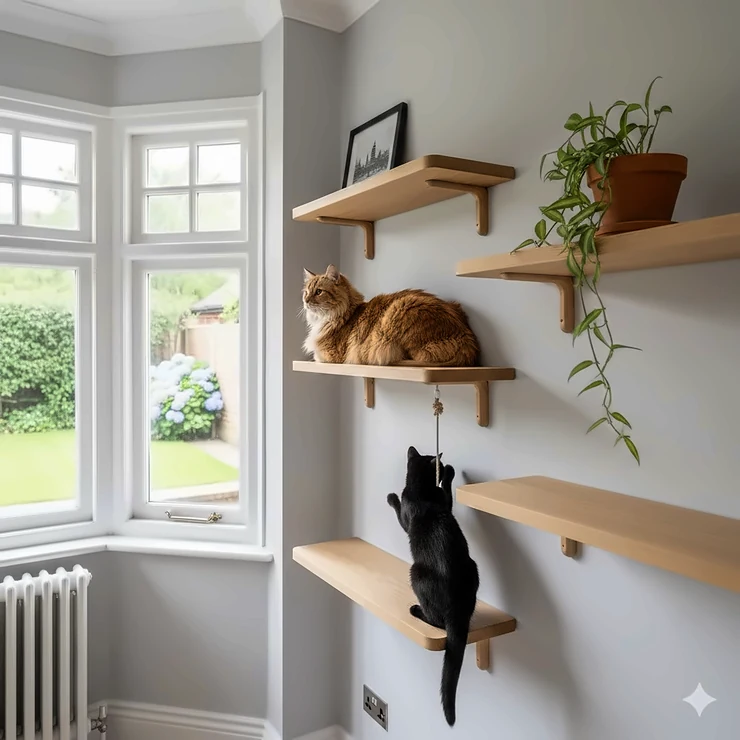
Picture this: you’re sipping your morning brew, and instead of tripping over yet another bulky cat tree, you glance up to see your moggy gracefully perched on a sleek wall shelf, surveying their kingdom from above. Brilliant, isn’t it? That’s precisely what cat wall shelves bring to modern UK homes—clever vertical solutions that satisfy your cat’s natural climbing instincts whilst keeping your floor space delightfully uncluttered.
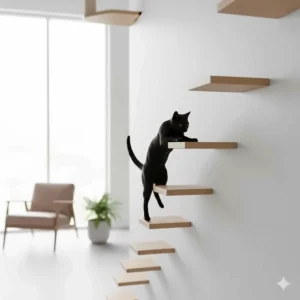
Cat wall shelves aren’t just trendy furniture; they’re answering a fundamental need in feline psychology. Research from cat behaviour specialists demonstrates that cats naturally seek elevated positions for security and territorial observation. In multi-cat households particularly, vertical territory significantly reduces stress and conflict by allowing each cat to claim their own space without ground-level confrontations.
Whether you’re living in a cosy London flat or a spacious Edinburgh townhouse, these wall mounted cat furniture pieces transform unused vertical space into an engaging cat playground. From budget-friendly floating cat shelves to comprehensive wall cat perch systems, there’s genuinely something for every home and every budget. Ready to discover which cat wall shelves deserve a spot in your home? Let’s dive straight in.
Quick Comparison Table
| Product | Type | Price Range | Weight Capacity | Key Features |
|---|---|---|---|---|
| PawHut 8-Piece Set | Complete System | £74.68 | Up to 5kg per piece | Cat house, 3 perches, 3 scratching posts, steps |
| FUKUMARU 4-in-1 Set | Premium Wooden | £85-£95 | Up to 16kg | Solid rubber wood, bridge, bed, scratching post |
| YITAHOME 7-Piece Frame | Multi-Level | £65-£80 | Up to 13.6kg | 3 scratching posts, 4-step stairway, hammock |
| PawHut 4-Piece Tree | Budget Option | £29-£55 | Up to 10kg | Hammock, nest, platforms, scratching post |
| FUKUMARU Cat Hammock | Single Unit | £35-£45 | Up to 13.6kg | Three-sided support, white flannel, sleep pillow |
| YITAHOME 5-Piece Set | Wooden System | £55-£70 | Variable | Cat house, bed, platform, sisal column, bridge |
| OZD 10-Piece Set | Modular DIY | £60-£75 | Up to 10kg | Bridge, condo, scratching posts, beige finish |
💬 Just one click – help others make better buying decisions too! 😊
Top 7 Cat Wall Shelves: Expert Analysis
1. PawHut 8-Piece Cat Shelves Set
If you’re after a complete vertical cat paradise without breaking the bank, the PawHut 8-Piece Cat Shelves Set delivers exceptional value. This comprehensive wall mounted cat climbing system includes everything your feline needs: a cosy cat house for private retreats, three perches positioned at varying heights, three sisal-covered scratching posts, and connecting steps that create a flowing climbing route.
Key Specifications:
- Dimensions: Steps 78.5H x 98L x 31.5W cm | Cat house 45H x 40L x 32.5W cm
- Material: Particleboard with plush covering
- Price: £74.68
- Weight Capacity: Recommended up to 5kg per piece
UK buyers particularly appreciate the straightforward installation process, though several mention that securing to wall studs (rather than plasterboard alone) provides optimal stability. The beige colour scheme blends beautifully with most contemporary interiors, whilst the soft plush covering gives cats a comfortable surface for lounging.
✅ Pros:
- Excellent value for an 8-piece set
- Variety of components for creative layouts
- Soft, cat-friendly materials
- Free UK delivery available
❌ Cons:
- Weight capacity lower than premium options
- Assembly requires careful planning
Customer Feedback: Reviews on UK sites highlight that cats genuinely adore the variety, with one Edinburgh owner noting their two cats spend hours navigating between levels. A few mention the hardware could be more robust for heavier breeds.
2. FUKUMARU Cat Wall Furniture Set (4-in-1)
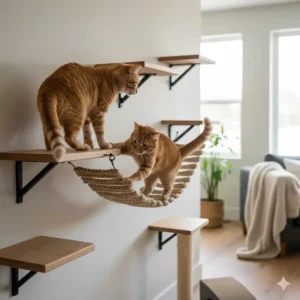
For cat parents who refuse to compromise on quality, the FUKUMARU 4-in-1 Cat Wall Furniture Set represents the premium end of wall cat perch systems. Constructed from solid rubber wood rather than particleboard, this set withstands even the most enthusiastic climbers—tested to support cats up to 16kg.
Key Specifications:
- Material: Solid rubber wood multi-layer board with pet-friendly peach velvet
- Price: £85-£95
- Weight Capacity: Up to 16kg (tested)
- Finish: Natural green or grey available
What genuinely sets FUKUMARU apart is the thoughtful engineering. The solid wood construction features cross-oriented fibres that create multiple load-bearing points, whilst the vegetable wood wax oil finish (from Germany, meeting PEFC and FSC certifications) ensures it’s completely safe for curious cats who might nibble. The set includes a cat bridge for traversing corners, a wall bed with three-sided support, a scratching post, and a floating shelf.
✅ Pros:
- Premium solid wood construction
- Exceptional 16kg weight capacity
- Environmentally certified materials
- Suitable for larger cat breeds like Maine Coons
❌ Cons:
- Higher price point
- Heavier pieces require secure wall fixings
Customer Feedback: UK buyers rave about the durability, with Manchester-based reviews mentioning it’s easily handled their 7kg Norwegian Forest cat. The natural wood aesthetic receives particular praise for complementing Scandi-inspired interiors.
3. YITAHOME 7-Piece Cat Climbing Frame
The YITAHOME 7-Piece Wooden Cat Wall Furniture strikes a lovely balance between affordability and functionality. This thoughtfully designed system features three sisal-covered scratching columns, a four-step cat stairway (also with scratching surfaces), a hammock, a cat bed, and four platforms at varying heights.
Key Specifications:
- Material: Pine wood with plush covering
- Price: £65-£80
- Weight Capacity: Up to 13.6kg
- Installation: Designed for 16-inch studs
YITAHOME’s reputation for furniture craftsmanship translates beautifully to their cat range. The pieces feature smooth surfaces and sturdy construction, whilst the plush covering provides cats with comfortable napping spots. The multi-level design allows you to create varied climbing routes, catering perfectly to cats’ instinctive desire for vertical exploration.
✅ Pros:
- Good balance of price and quality
- Extensive climbing opportunities
- Multiple scratching options
- Natural wood aesthetic
❌ Cons:
- Assembly requires precision
- Recommended to avoid installation on weak plasterboard
Customer Feedback: British reviews consistently mention cats’ immediate enthusiasm for the hammock, with Glasgow owners noting their previously furniture-scratching cat now exclusively uses the sisal posts. One reviewer mentioned the box weighs over 15kg, so enlist help for moving it.
4. PawHut 4-Piece Wall Mounted Cat Tree
Budget-conscious cat parents needn’t feel left out—the PawHut 4-Piece Wall Mounted Cat Tree proves you don’t need to spend a fortune for quality vertical cat space. This compact set includes a hammock, cat nest, jumping platforms, and a scratching post, all covered in soft plush material.
Key Specifications:
- Price: £29-£55 (depending on retailer)
- Weight Capacity: Up to 10kg
- Colours: Grey, beige, or light grey options
- Material: Particleboard with plush covering
Whilst it may not boast the weight capacity of premium wooden sets, this PawHut option delivers genuine value for single-cat households or smaller breeds. The wall-mounted design saves precious floor space—crucial in smaller UK flats—whilst the included scratching post helps redirect destructive scratching away from your furniture.
✅ Pros:
- Excellent budget option
- Space-saving design
- Soft, comfortable surfaces
- Easy to assemble
❌ Cons:
- Lower weight capacity (unsuitable for large breeds)
- Some UK reviews mention fixings could be stronger
Customer Feedback: Customers at retailers like Wilko and Robert Dyas note this works brilliantly for kittens and smaller cats. One Liverpool buyer mentioned their 3kg kitten adores the hammock, though they upgraded fixings for extra security.
5. FUKUMARU Cat Hammock
Sometimes simplicity reigns supreme. The FUKUMARU Cat Hammock is a single-piece solution that’s perfect for starting your cat’s vertical journey or supplementing an existing setup. This wall-mounted kitty bed features a three-sided wooden support design that provides exceptional stability whilst doubling as a comfortable sleeping pillow.
Key Specifications:
- Material: Solid rubber wood with white flannel cushion
- Price: £35-£45
- Weight Capacity: Up to 13.6kg
- Dimensions: Compact design suitable for any room
The hammock’s German vegetable wood wax oil finish ensures it’s safe for cats whilst providing moisture protection. The thickened flannel fabric creates a cosy retreat that cats genuinely cherish—think of it as their personal cloud for afternoon naps. Its minimalist design works beautifully in modern UK homes, adding functionality without overwhelming your décor.
✅ Pros:
- Excellent as standalone or addition piece
- Premium materials at mid-range price
- Three-sided support provides security
- Suitable for larger cats
❌ Cons:
- Single unit (may need multiple for complete system)
- Limited climbing opportunities alone
Customer Feedback: UK buyers particularly love using these alongside other pieces to create custom layouts. A Birmingham reviewer mentioned buying three to create ascending levels, which their cats navigate constantly throughout the day.
6. YITAHOME 5-Piece Wooden Climbing Set
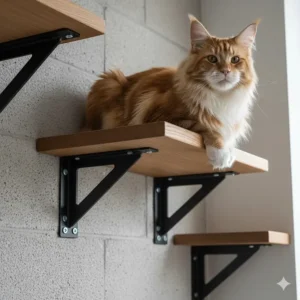
The YITAHOME 5-Piece Wooden Cats Climbing Wall Set offers a beautifully balanced system that includes a cat house, cat bed, platform, sisal column, and suspension bridge. This configuration provides everything cats need for climbing, scratching, playing, and retreating.
Key Specifications:
- Material: Sturdy pine wood with flannel covering
- Price: £55-£70
- Components: House, bed, platform, sisal column, suspension bridge
- Installation: Requires solid wall or stud mounting
What’s particularly clever about this set is the suspension bridge—it connects different sections whilst adding an element of adventure that cats find irresistible. The cat house provides a secure hiding spot that helps reduce anxiety, especially valuable in multi-cat homes where territorial tensions can arise.
✅ Pros:
- Comprehensive 5-piece system
- Includes hiding spot for anxious cats
- Suspension bridge adds engagement
- Natural wood finish
❌ Cons:
- Not recommended for plasterboard-only walls
- Requires planning for optimal layout
Customer Feedback: British customers mention the suspension bridge is an absolute hit, with cats spending ages traversing back and forth. Several note the house is perfectly sized for average UK moggies (around 4-5kg).
7. OZD 10-Piece Modular Cat Climbing Set
For those who want maximum flexibility, the OZD 10-Piece Cat Wall Shelves offers a modular approach to vertical cat furniture. This extensive set includes a variety of components—bridge, condo, multiple scratching posts, and various platforms—allowing you to design a truly bespoke climbing wall for your feline.
Key Specifications:
- Pieces: 10-piece modular system
- Price: £60-£75
- Weight Capacity: Up to 10kg
- Colour: Beige finish
- Style: 4-in-1 modern design
The modular nature means you can reconfigure the layout as your cat’s preferences evolve or as you move house. The beige colour maintains a neutral, contemporary appearance that won’t clash with UK interior trends. With scratching posts integrated throughout, your furniture should remain gloriously claw-free.
✅ Pros:
- Extensive 10-piece set
- Highly customisable layout
- Multiple scratching opportunities
- Good value for piece count
❌ Cons:
- Installation requires careful planning
- May overwhelm smaller rooms
Customer Feedback: UK buyers appreciate the customisation options, with one Leeds household creating an entire wall dedicated to their three cats. Reviews mention the installation is time-consuming but worthwhile once complete.
✨ Don’t Miss These Exclusive Deals!
🔍 Take your cat’s environment to the next level with these carefully selected products. Click on any highlighted item above to check current pricing and availability on Amazon.co.uk. These wall mounted cat furniture systems will help you create an authentic vertical paradise your feline will genuinely love!
Price Range & Value Analysis
| Budget Tier | Price Range | Best For | Example Products |
|---|---|---|---|
| Budget | £29-£55 | Single cats, smaller breeds, trial setups | PawHut 4-Piece Set |
| Mid-Range | £55-£80 | Most households, good quality-price balance | YITAHOME 5-7 Piece Sets, OZD 10-Piece, PawHut 8-Piece |
| Premium | £85-£95+ | Large breeds, long-term investment, premium materials | FUKUMARU Solid Wood Sets |
| Individual Pieces | £35-£45 | Expanding existing systems, custom layouts | FUKUMARU Hammock, single platforms |
All prices in GBP (£) including VAT
Understanding Cat Wall Shelves: What Are They?
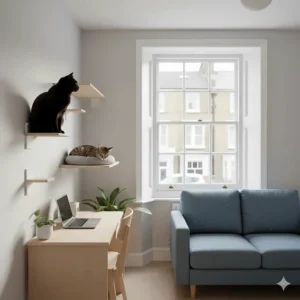
Cat wall shelves are wall-fixed feline furniture designed to utilise vertical space, providing cats with elevated platforms for climbing, perching, playing, and resting. Unlike traditional floor-standing cat trees that consume valuable floor area, these mounted cat climbing systems attach directly to walls, creating a three-dimensional playground that satisfies cats’ natural instincts whilst maintaining a clean, modern aesthetic in your home.
The concept stems from feline behavioural research demonstrating that cats are inherently vertical animals. In their natural habitat, cats climb trees to survey territory, escape predators, and hunt from advantageous positions. Domestic cats retain these instincts, which is why they’re drawn to wardrobes, bookcases, and kitchen counters. Wall cat perch systems channel this behaviour positively, providing designated elevated spaces rather than forcing cats to improvise with your furniture.
Modern cat wall shelves range from simple single floating platforms to comprehensive multi-level systems incorporating scratching posts, hammocks, bridges, and enclosed condos. Quality examples feature robust mounting hardware, cat-safe materials, and thoughtful spacing between levels to prevent awkward or dangerous jumps.
Why Your Cat Needs Vertical Space
The Science Behind Climbing
Cats aren’t just being difficult when they insist on high places—they’re following deeply ingrained evolutionary programming. Research on feline territorial behaviour reveals that elevated positions serve multiple crucial functions. From height, cats gain visual advantage and early warning of approaching threats (even if those “threats” are just your toddler or the family dog). This vantage point reduces stress and provides a sense of security.
In multi-cat households, vertical territory becomes particularly vital. When cats can claim different heights, they establish hierarchy without physical confrontation. A more assertive cat might claim the highest perch as a status symbol, whilst a timid cat can observe from a mid-level position, maintaining safe distance from potential conflict. This three-dimensional approach to territory genuinely reduces tension and creates a more harmonious feline household.
Physical and Mental Health Benefits
Beyond territorial considerations, vertical cat space solution systems provide significant physical benefits. Climbing up and down exercises feline muscles, particularly important for indoor cats who may otherwise become sedentary. The varied movements—jumping, stretching, balancing—keep joints flexible and help maintain healthy body weight.
Mentally, cat climbing wall shelves offer crucial environmental enrichment. Cats are intelligent hunters who require stimulation to prevent boredom-related behaviours like excessive vocalisation, destructive scratching, or inappropriate elimination. The RSPCA emphasises that indoor cats particularly need enrichment including vertical spaces to maintain good mental and physical health. A well-designed wall-fixed feline furniture system creates opportunities for exploration, observation (especially when positioned near windows), and play that satisfy these psychological needs.
Material Comparison: Choosing the Right Construction
| Material Type | Durability | Weight Capacity | Price Point | Best For | Maintenance |
|---|---|---|---|---|---|
| Solid Wood (Rubber, Pine) | Excellent – lasts years | High (13-16kg+) | £85-£95+ | Large breeds, long-term investment | Minimal – occasional wipe with damp cloth |
| Particleboard with Plush | Good – 2-3 years typical | Moderate (5-10kg) | £29-£80 | Budget-conscious, smaller cats | Regular vacuuming, spot cleaning |
| Mixed Construction | Very Good | Variable (10-13kg) | £60-£85 | Most households | Moderate – varies by component |
| Sisal-Covered Posts | Excellent for scratching | N/A – support structure | Varies | Integrated with systems | Replace every 1-2 years with heavy use |
Consider weight capacity, your cat’s size, and expected lifespan when selecting materials.
Types of Cat Wall Shelves Available
Floating Cat Shelves
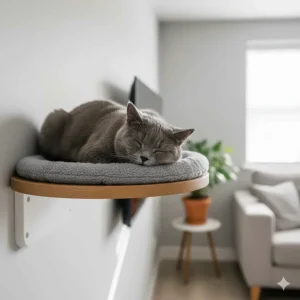
The minimalist option, floating cat shelves are simple platforms that mount flush against walls with concealed brackets. These work beautifully in modern homes where clean lines and uncluttered aesthetics matter. You’ll typically find them in solid wood (rubber wood, pine, or bamboo) or sturdy particleboard with attractive finishes.
Floating shelves excel as modular components—you can start with a few and gradually build an entire climbing route as budget allows. Many feature sisal scratching mats on top, transforming them into dual-purpose furniture that saves your sofa from feline claws. Brands like FUKUMARU offer individual floating shelves (around £35-£45) that pair beautifully with their complete systems.
Complete Wall-Mounted Systems
For those wanting a comprehensive solution straight away, complete systems like the PawHut 8-Piece or YITAHOME 7-Piece sets provide everything needed for a full vertical cat playground. These typically include multiple platforms at varying heights, scratching posts, hammocks, enclosed hideaways, and connecting bridges or stairs.
The advantage here is thoughtful design—components are engineered to work together, ensuring appropriate spacing between levels and creating natural climbing routes. Whilst more expensive initially (£60-£95), these systems often prove more economical than buying individual pieces separately, plus installation is streamlined since you’re working with components designed as a cohesive unit.
Cat Wall Steps and Stairs
Specifically designed for creating ascending and descending routes, wall cat steps resemble tiny staircases mounted to walls. These work particularly well for senior cats or those with mobility challenges who might struggle with large jumps between widely-spaced platforms. They’re also brilliant for kittens learning to navigate vertical space.
Many cat wall steps UK options feature integrated sisal scratching surfaces, encouraging cats to sharpen claws during their climbing adventures. Position these leading to favourite high spots (like the top of a bookcase) and you’ve created a safe, approved route rather than watching your cat perform death-defying leaps.
Corner and Bridge Units
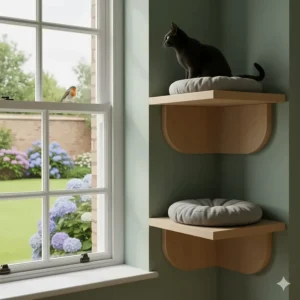
Cats seldom travel in straight lines, so corner pieces and bridge units add crucial connectivity to wall cat perch systems. Corner platforms allow climbing routes to navigate room corners efficiently, whilst bridges create exciting crossing points between sections.
Suspension bridges, like those included in some YITAHOME sets, add an element of movement that cats find engaging. These rope or fabric bridges gently sway, providing a novel sensory experience whilst safely connecting distant platforms.
How to Choose the Perfect Cat Wall Shelves
Consider Your Cat’s Size and Age
Not all cats are created equal, and your wall mounted cat furniture should reflect this reality. Large breeds like Maine Coons, Norwegian Forest cats, or British Shorthairs require platforms with exceptional weight capacity—look for solid wood options rated to 13-16kg like the FUKUMARU premium range.
Kittens need closely-spaced platforms to prevent dangerous falls whilst building confidence. Senior cats benefit from gentle inclines and steps rather than wide gaps requiring athletic jumps. Multi-level systems work beautifully for mixed-age households, offering varied routes accommodating different abilities.
Assess Your Wall Type
This matters tremendously in UK homes where wall construction varies considerably. Modern homes often feature plasterboard (drywall) over timber studs—these require proper anchoring into the studs for secure mounting. Older properties might have solid brick or block walls requiring different fixing approaches.
Most quality systems include mounting hardware, but verify it’s appropriate for your walls. When in doubt, invest in heavy-duty fixings (readily available at any UK DIY store) and use a stud finder for timber frame walls. Never rely solely on plasterboard fixings for shelves that’ll support your cat’s weight—disaster awaits.
Match Your Interior Style
Today’s cat wall shelves have evolved far beyond utilitarian pet furniture. Premium wooden options from FUKUMARU or YITAHOME feature natural wood finishes that complement Scandi, contemporary, or minimalist interiors beautifully. For traditional homes, darker wood tones or painted finishes might suit better.
Consider colour choices too—neutral beiges and greys blend seamlessly, whilst bolder options can become interesting design features. The plush coverings on many pieces come in various colours, allowing you to coordinate with existing décor.
Budget Considerations
Cat wall shelves span a considerable price range. Budget options like the basic PawHut 4-piece set (£29-£55) provide excellent value for single cats or smaller breeds. Mid-range complete systems (£60-£80) balance quality and affordability, whilst premium solid wood sets (£85-£95) represent long-term investments in durability.
Remember to factor installation costs if you’re not DIY-inclined. Professional handyperson services in the UK typically charge £40-£60 hourly, and installing a complete system might require 2-3 hours for optimal results.
✨ Ready to Transform Your Cat’s World?
🏡 Creating the perfect vertical paradise has never been easier! Browse our featured cat wall shelves above to discover solutions perfectly suited to your home and feline friend. From budget-friendly starter sets to premium wooden systems, there’s an ideal match waiting. Check current Amazon.co.uk prices and read genuine UK customer reviews before making your choice!
Installation Guide: Setting Up Safely
Planning Your Layout
Before drilling a single hole, plan meticulously. Many cat wall shelves enthusiasts recommend using painter’s tape to mark platform positions on the wall, allowing you to visualise the final layout and ensure spacing works for your cat’s jumping ability.
Consider the flow—cats prefer circular routes rather than dead ends. Create paths that allow cats to ascend, traverse along the wall, and descend from a different location. This prevents traffic jams in multi-cat households and keeps things interesting.
Position some platforms near windows to provide entertainment through outdoor observation. However, avoid placing shelves directly above radiators where heat might make surfaces uncomfortably hot.
Tools You’ll Need
- Electric drill with appropriate bits (masonry for brick, wood for studs)
- Stud finder (for plasterboard walls)
- Spirit level
- Measuring tape
- Pencil for marking
- Appropriate wall fixings (often included, but verify suitability)
- Screwdriver
- Possibly a helper for holding pieces level during installation
Step-by-Step Installation
- Locate Wall Studs (for plasterboard walls): Use a stud finder to identify timber frame positions. Mark these clearly—this is where you’ll anchor your mounting brackets.
- Mark Positions: Hold the first platform against the wall at your chosen position. Use a spirit level to ensure it’s perfectly horizontal, then mark drilling points through the mounting bracket holes.
- Drill Pilot Holes: Drill holes at marked positions. For masonry, use appropriate sized masonry bits and insert wall plugs. For timber studs, drill slightly smaller pilot holes than your screws.
- Attach Mounting Brackets: Secure brackets firmly to the wall, ensuring they’re level. Most quality systems use heavy-duty metal brackets capable of supporting substantial weight.
- Attach Platforms: Once brackets are secure, attach the platform or shelf component according to manufacturer instructions. Double-check everything is tight and stable.
- Test Before Introduction: Before allowing your cat access, test stability yourself. Apply firm pressure to ensure the installation can handle your cat’s weight and movement.
Safety Considerations
Never rely solely on plasterboard anchors for cat furniture—they will fail eventually. Always anchor into solid wall material or timber studs. If uncertain about wall construction, consult a professional rather than risking injury to your pet.
Leave adequate space between platforms—generally 30-40cm (12-16 inches) for adult cats, less for kittens or seniors. Cats can jump impressive distances, but forcing them to overexert creates unnecessary risk.
Ensure all edges are smooth and splinter-free. Quality products should arrive this way, but it’s worth checking before installation, particularly on wooden components.
Maintenance and Care
Regular Cleaning
Cat wall shelves accumulate fur, dust, and the occasional mysterious deposit. Vacuum or brush platforms weekly to prevent build-up. Most plush-covered surfaces can be spot-cleaned with pet-safe cleaner and a damp cloth for fresh stains.
For sisal scratching posts, brush out loose fibres periodically. Eventually, these will wear down and require replacement—most systems sell replacement posts separately for around £10-£20.
Wooden components benefit from occasional wiping with a barely-damp cloth. Avoid excessive moisture which could warp wood or damage finishes. Products finished with vegetable wax oils (like FUKUMARU pieces) maintain their appearance better with minimal intervention.
Checking Stability
Every few months, check mounting hardware for tightness. Vibrations from enthusiastic climbing can gradually loosen screws. A quick once-over with a screwdriver ensures everything remains secure.
Look for signs of wear—particularly around bracket attachment points. If you notice any cracks, splits, or concerning movement, address immediately before a more serious failure occurs.
Refreshing Components
Even quality cat wall shelves show wear eventually. Fortunately, most issues are easily remedied. Replace worn sisal scratching surfaces, refresh tired plush coverings, or sand and refinish wooden platforms showing excessive wear.
Many UK suppliers sell individual replacement components, meaning you needn’t replace entire systems when a single piece deteriorates. This extends the life of your investment significantly.
Common Mistakes to Avoid
Insufficient Weight Capacity
One of the most common errors is underestimating how much force an energetic cat can exert. A 5kg cat doesn’t just place 5kg of force on a shelf—they land with impact, sometimes whilst carrying toys. Always choose systems with weight capacity exceeding your cat’s actual weight, ideally by at least 50%.
Poor Spacing
Platforms placed too far apart create dangerous jump gaps. Cats will attempt these jumps regardless of risk, potentially injuring themselves. Conversely, platforms too close together feel claustrophobic and defeat the purpose of vertical territory.
Ignoring Wall Type
Trusting lightweight plasterboard anchors to support cat furniture is a recipe for disaster. The resulting crash frightens cats, potentially creating lasting reluctance to use vertical space. Worse, it risks injury. Always use appropriate fixings for your specific wall construction.
Inadequate Planning
Rushing installation without proper planning often results in awkward layouts that cats ignore. Taking time to plan optimal routes, consider sightlines, and ensure logical flow creates systems cats actually use enthusiastically.
Neglecting Multiple Routes
Dead-end configurations trap cats, particularly problematic in multi-cat homes where a dominant cat might block access. Always provide alternative routes for ascending and descending, preventing territorial bottlenecks.
Benefits vs Traditional Cat Trees
| Feature | Wall Cat Shelves | Traditional Cat Trees |
|---|---|---|
| Floor Space | Minimal—mounted vertically | Significant—requires floor area |
| Height Potential | Unlimited—can reach ceiling | Limited by tree stability |
| Customisation | Highly flexible—create unique layouts | Fixed design |
| Aesthetics | Modern, sleek, integrates with décor | Often bulky, limited style options |
| Stability | Excellent when properly installed | Can wobble, especially cheaper models |
| Price Range | £29-£95+ for complete systems | £40-£200+ for quality trees |
| Multi-Cat Suitability | Excellent—multiple routes reduce conflict | Limited—single vertical route |
| Installation | Requires wall mounting | No installation needed |
Cat Wall Shelves for Multi-Cat Households
Managing multiple cats presents unique challenges that vertical cat space solution systems address beautifully. Research on territorial behaviour in multi-cat homes demonstrates that providing adequate vertical territory significantly reduces conflict and stress.
The key is creating multiple routes and destinations. Rather than a single path leading to one prime perch (which inevitably sparks territorial disputes), design branching routes with several equally desirable high positions. This allows each cat to claim their preferred spot without blocking others’ access.
Include intermediate platforms where cats can pause during climbs. These serve as passing places when two cats navigate the same section simultaneously, preventing confrontations. Think of it like dual carriageways versus single-track roads—traffic flows more smoothly with options for overtaking.
Corner pieces and bridges become particularly valuable in multi-cat setups, creating circular routes that prevent dead-end traps. A timid cat can retreat or change direction if encountering a more assertive household member, reducing stress for everyone involved.
Special Considerations for Different Cat Breeds
Large Breeds (Maine Coon, Norwegian Forest, British Shorthair)
These magnificent moggies require robust systems rated to 13-16kg minimum. Look for solid wood construction rather than particleboard, and ensure platforms are generously sized—some breeds weigh 8-10kg or more. The FUKUMARU premium sets excel here, having withstood testing with genuinely large cats.
Spacing between platforms needs careful consideration too. Whilst large cats are perfectly capable of impressive jumps, their landing impact is substantial. Closer spacing reduces strain on mounting hardware and prevents concerning wobbles.
Senior Cats
As cats age, arthritis and reduced flexibility make those youthful leaps impossible. For older felines, create gentle ascending routes using closely-spaced steps rather than widely-separated platforms. The hammock-style pieces work brilliantly for seniors who still crave elevated positions without athletic requirements.
Consider positioning favourite high spots lower than you might for younger cats—perhaps 1-1.5 metres rather than ceiling-height. This maintains the psychological benefits of elevation whilst accommodating physical limitations.
Kittens
Young cats need platforms positioned quite closely during their early months whilst building confidence and coordination. As they grow, you can reconfigure spacing to create more challenging routes. Modular systems like the OZD 10-piece set offer this flexibility brilliantly.
Ensure kitten-accessible systems include enclosed spaces—hidey-holes provide security for youngsters overwhelmed by their expanding world. The cat houses included in many complete sets serve this purpose perfectly.
Active vs Sedentary Cats
High-energy cats thrive with complex routes offering varied levels, bridges, and challenging gaps. Think of it as their personal parkour course. Systems with 7+ pieces create enough variety to keep even the most energetic feline entertained.
More sedentary cats might prefer simpler configurations with comfortable perching spots near windows for observation. A few well-positioned platforms near favourite sightlines often suffice, without overwhelming them with options.
Enhancing Your Cat Wall Shelves
Adding Enrichment Elements
Transform basic platforms into engaging destinations by adding enrichment. Attach favourite toys to bridges using strong cord, creating dangling temptations that encourage play. Position shelves near windows where cats can observe birds, squirrels, and neighbourhood activity—feline reality television at its finest.
Some owners attach small baskets containing catnip mice to various platforms, creating treasure hunt scenarios. Cats navigate their climbing routes discovering these treats, adding mental stimulation to physical activity.
Integrating with Existing Furniture
Wall cat perch systems needn’t exist in isolation. Design routes that incorporate existing furniture like bookcases or wardrobes. A platform positioned near a bookcase top allows cats to step across, extending their territory whilst using pieces you already own.
Window sills make excellent intermediate platforms. Position wall shelves leading to sills, creating approved routes to these prime observation posts rather than having cats leap from furniture (potentially knocking over your prized possessions in the process).
Seasonal Adjustments
Consider seasonal changes when positioning cat wall shelves. Platforms near radiators might be perfect in winter when cats seek warmth, but uncomfortably hot during summer. Having alternative routes and positions allows cats to choose comfortable spots regardless of season.
Near windows, be mindful of direct sunlight. Whilst cats enjoy sunny spots briefly, prolonged exposure can overheat them, particularly dark-furred breeds. Positioning some platforms in shaded areas provides cooling options during warmer months.
UK-Specific Buying Tips
Where to Buy
Major UK pet retailers like Pets at Home occasionally stock basic cat wall shelves, but selection is limited. Online platforms offer far more variety:
- Amazon.co.uk: Extensive range from budget to premium, with customer reviews and Prime delivery options
- eBay UK: Good for finding bargains, though verify seller reputation
- Specialist pet furniture retailers: Higher-end options with expert advice
- Direct from manufacturers: Some brands like FUKUMARU sell directly through UK websites
Delivery Considerations
These systems arrive in substantial boxes—the YITAHOME 7-piece weighs over 15kg packaged. Ensure someone’s home to receive delivery, and verify you can manoeuvre boxes through doorways and up stairs if applicable.
Most UK suppliers offer free delivery on orders over £30-£50, making complete systems economical to purchase. Standard delivery typically takes 3-7 working days, with expedited options available for impatient cats.
Returns and Warranties
UK consumer law provides robust protections. The Consumer Rights Act 2015 ensures you can return faulty products within 30 days for full refunds. Most reputable sellers extend this with their own return policies, often allowing 30-60 days for change-of-mind returns on unopened products.
Check warranty terms—quality manufacturers typically offer 12-month warranties covering manufacturing defects. Keep all packaging and documentation until you’ve installed and tested the system successfully.
VAT and Pricing
All prices shown by UK retailers should include VAT. If purchasing from EU sellers post-Brexit, be aware of potential additional charges—VAT and customs duties may apply on imports, significantly affecting final costs.
FAQ
❓ How much weight can cat wall shelves hold?
❓ Can I install cat wall shelves on plasterboard walls?
❓ What's the ideal spacing between cat wall shelves?
❓ How do I clean cat wall shelves effectively?
❓ Are cat wall shelves suitable for all cat breeds?
Conclusion: Creating Your Perfect Feline Paradise
Cat wall shelves represent a genuine revolution in how we house our feline companions. By embracing vertical territory, you’re not just saving floor space or following interior design trends—you’re fundamentally improving your cat’s quality of life. The psychological benefits of elevated positions, combined with the physical exercise of climbing, create healthier, happier cats.
Whether you opt for a comprehensive system like the PawHut 8-Piece or FUKUMARU 4-in-1 Set, or start modestly with individual pieces, you’re making an investment in feline wellbeing. The beauty is the flexibility—begin with a few platforms and gradually expand as you observe your cat’s preferences and your budget allows.
Remember, the perfect wall mounted cat furniture system isn’t the most expensive or most extensive—it’s the one that suits your specific cat’s needs, your home’s layout, and your aesthetic preferences. Take time to plan, invest in quality fixings, and watch your moggy transform into an aerial acrobat. Their contented purrs from new elevated perches will confirm you’ve made the right choice.
Recommended for You
- 7 Best Feandrea Cat Trees UK 2026
- 7 Best Cat Tree for Multiple Cats UK 2026
- Best Cheap Cat Trees UK 2026 – Budget Cat Towers Under £50
Disclaimer: This article contains affiliate links. If you purchase products through these links, we may earn a small commission at no additional cost to you. Prices shown are approximate and may vary.
✨ Found this helpful? Share it with your mates! 💬🤗
