
In This Article
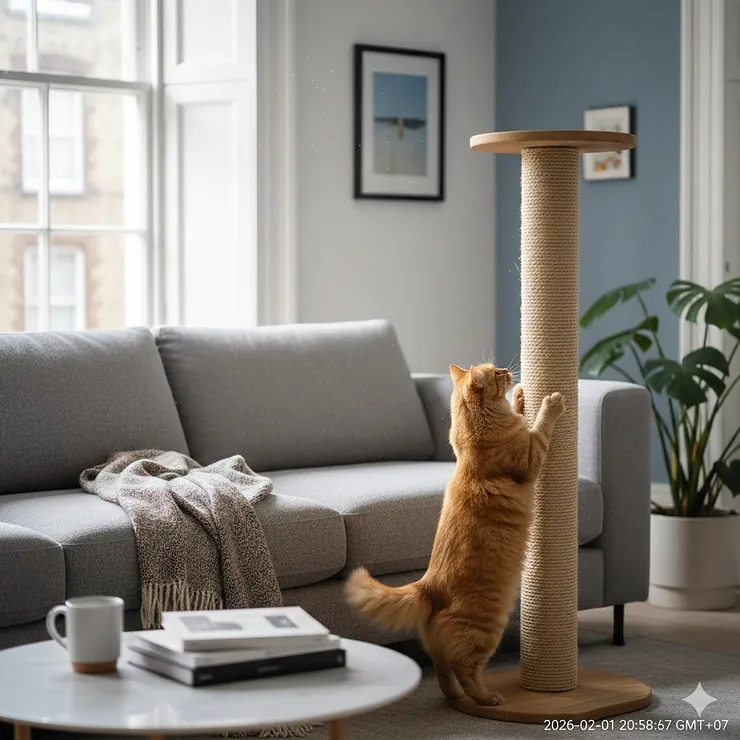
Picture this: you’ve just settled into your gorgeous new sofa with a cuppa when you hear it—that unmistakable sound of claws raking through fabric. Your beloved moggy has struck again, and your beautiful furniture bears yet another battle scar. If you’re nodding along whilst glancing nervously at your shredded armchair, you’re not alone. Thousands of UK cat owners face this daily dilemma, torn between their love for their feline friends and the desire to keep their homes looking presentable.
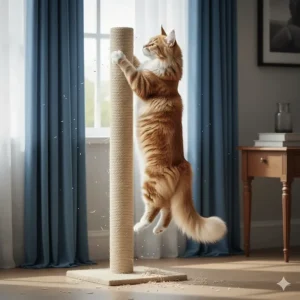
The truth is, scratching isn’t your cat being naughty—it’s hardwired into their DNA. According to the RSPCA, cats naturally use objects to scratch, mark territory, strengthen muscles and sharpen their claws. But here’s the good news: you don’t have to choose between your cat’s natural behaviour and your furniture’s survival. The right cat scratcher to protect furniture can be an absolute game-changer, redirecting those destructive instincts whilst keeping everyone happy.
In this comprehensive guide, I’ll walk you through the seven best solutions available in the UK for 2026, from budget-friendly adhesive protectors to premium corner scratchers that double as stylish furniture. Whether you’re dealing with a kitten just discovering the joy of scratching or an adult cat with well-established habits, there’s a solution here that’ll work for your home. Let’s save that sofa, shall we?
Quick Comparison: Top Cat Furniture Protectors at a Glance
| Product | Type | Price Range (£) | Best For | Durability Rating |
|---|---|---|---|---|
| Sofa-Scratcher Corner Post | Sisal post | £35-£45 | Sofa corners, long-term solution | ⭐⭐⭐⭐⭐ |
| PawHut Corner Cat Scratcher | Standing post | £15-£25 | Budget-conscious buyers | ⭐⭐⭐⭐ |
| Petslucent Clear Protection Tape | Adhesive film | £8-£15 | Temporary protection, renters | ⭐⭐⭐ |
| THLHKD Furniture Protector Sheets | Vinyl sheets | £12-£18 | Large surface coverage | ⭐⭐⭐⭐ |
| Mimi&Bubu Couch Corner Guard | Heavy-duty tape | £16-£22 | High-traffic areas | ⭐⭐⭐⭐ |
| CheerPals Dual-Use Scratcher Bed | Furniture piece | £45-£65 | Multi-cat households | ⭐⭐⭐⭐⭐ |
| Adiwo Self-Adhesive Sisal Mat | DIY mat | £10-£18 | Custom applications | ⭐⭐⭐⭐ |
💬 Just one click – help others make better buying decisions too!😊
✨ Don’t Miss These Exclusive Deals!
🔍 Take your furniture protection to the next level with these carefully selected products. Click on any highlighted item to check current pricing and availability on Amazon.co.uk. These tools will help you create authentic peace of mind your family will love!
Top 7 Cat Scratchers to Protect Furniture: Expert Analysis
1. Sofa-Scratcher Corner Post – The Gold Standard
When it comes to protecting your furniture whilst keeping your cat satisfied, the Sofa-Scratcher Corner Post stands head and shoulders above the competition. This American-made beauty has gained a cult following in the UK, and for good reason.
Key Specifications:
- Height: Approximately 41cm (16 inches)
- Material: Natural sisal rope over sturdy base
- Available in 9 neutral colours to match any décor
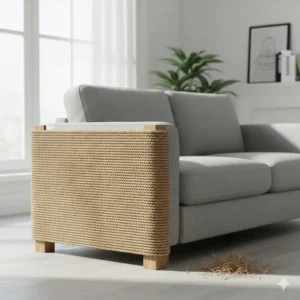
This isn’t just a scratcher—it’s a proper piece of furniture that slides elegantly under your sofa leg, creating an irresistible scratching surface right where your cat wants it most: the corner of your beloved couch. The contoured design means it fits snugly against rounded or wide sofa arms, and the low-profile base ensures it stays firmly in place even during the most enthusiastic scratching sessions.
UK buyers consistently praise its effectiveness, with many reporting that their cats completely abandoned furniture scratching after introduction. The height is perfect for cats to achieve that full-body stretch that cats need when scratching, as sturdy or tall objects allow them to get a good grip and dig their claws in.
✅ Pros:
- Veterinarian and breeder approved
- Handmade quality with exceptional durability
- Blends seamlessly with home décor
❌ Cons:
- Higher price point (£35-£45)
- Limited to sofa corners only
UK Price: £35-£45 | Available on Amazon.co.uk
2. PawHut Corner Cat Scratcher – Best Budget Option
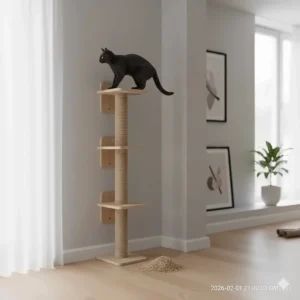
For those watching their pennies, the PawHut Corner Cat Scratcher delivers remarkable value without sacrificing effectiveness. This 56cm tall scratcher is specifically designed for corners—whether that’s your sofa, table, or wall.
Key Specifications:
- Height: 56cm (22 inches)
- Material: Sisal scratching pad with stable base
- Colour: Neutral grey finish
What makes this scratcher brilliant is its versatility. It’s not limited to furniture corners; many UK owners use it against walls or in doorways where their cats naturally gravitate. The grey finish is wonderfully neutral, disappearing into most colour schemes rather than clashing.
Customer feedback from UK buyers highlights its sturdy construction despite the affordable price. One reviewer mentioned their 6kg tabby gives it a proper workout daily, and it’s held up beautifully for over eight months. The replaceable scratching pad is a thoughtful touch—when it eventually wears out, you can refresh it rather than replacing the entire unit.
✅ Pros:
- Excellent value for money (£15-£25)
- Tall enough for proper stretching
- Replaceable scratching surface
❌ Cons:
- Base can be lighter than premium options
- Limited colour choices
UK Price: £15-£25 | Widely available on Amazon.co.uk and pet retailers
3. Petslucent Clear Protection Tape – The Invisible Shield
Sometimes you need protection without the visual impact of a scratching post. Enter the Petslucent Clear Protection Tape, a transparent double-sided solution that’s become a favourite amongst UK renters and those seeking discreet furniture protection.
Key Specifications:
- Dimensions: 7.6cm x 13.7 metres (3″ x 15 yards)
- Material: Medical-grade transparent adhesive
- Application: Double-sided for training purposes
This clever tape works on a simple principle: cats absolutely detest sticky surfaces. The double-sided adhesive creates an unpleasant sensation under their paws, encouraging them to seek alternative scratching locations (hopefully your new scratching post!). It’s completely transparent, so once applied to your furniture, it’s virtually invisible to guests.
UK customers particularly appreciate its versatility. Beyond furniture, it’s brilliant for protecting door frames, carpeted stairs, and even wallpaper. The medical-grade adhesive means it’s safe for pets, and it removes cleanly without leaving residue—a crucial consideration for rented properties. One clever buyer mentioned using it alongside a new scratching post as part of their training regime, with excellent results within just two weeks.
✅ Pros:
- Completely transparent and discreet
- Removes without residue
- Safe, medical-grade materials
❌ Cons:
- Needs regular replacement
- Not suitable for all fabric types
UK Price: £8-£15 | Available on Amazon.co.uk
4. THLHKD Furniture Protector Sheets – Maximum Coverage Solution
For those dealing with serious furniture damage or particularly determined scratchers, the THLHKD Furniture Protector Sheets offer comprehensive protection across large surface areas. This 8-piece set provides enough coverage to protect multiple pieces of furniture or create barriers on your cat’s favourite scratching spots.
Key Specifications:
- Pack size: 8 large sheets
- Sheet dimensions: Various sizes for different applications
- Material: Thick, clear vinyl with single-sided adhesive
These sheets are noticeably thicker than budget alternatives, which means they can withstand even aggressive scratching from larger breeds like Maine Coons. The single-sided adhesive attaches to your furniture, whilst the smooth outer surface discourages scratching. The clear vinyl is surprisingly discreet—you’ll notice it up close, but from across the room, it’s barely visible.
British buyers have found creative uses beyond traditional furniture protection. Several reviews mention using them on door frames, skirting boards, and even car interiors. The self-adhesive backing is strong enough to stay put but gentle enough for most furniture finishes. One UK customer reported six months of use on their leather sofa with no adhesive damage upon removal.
✅ Pros:
- Heavy-duty protection for aggressive scratchers
- Multiple sheets for comprehensive coverage
- Works on various surfaces
❌ Cons:
- More visible than some alternatives
- Not recommended for velvet or delicate fabrics
UK Price: £12-£18 | Available on Amazon.co.uk
5. Mimi&Bubu Couch Corner Guard – Premium Protection Strip
The Mimi&Bubu Couch Corner Guard takes adhesive protection seriously with its extra-thick 0.2mm vinyl construction. At 4 metres long and 33cm wide (160″ x 13″), this substantial roll provides ample material to protect high-traffic scratching zones.
Key Specifications:
- Dimensions: 4m x 33cm (160″ x 13″)
- Thickness: 0.2mm extra-thick vinyl
- Features: BPA-free, single-sided adhesive
What sets this apart is the thickness. That extra 0.2mm might not sound like much, but it makes a world of difference in durability. This isn’t flimsy film that tears after a few enthusiastic swipes—it’s proper protection that can handle daily assaults from multiple cats. The BPA-free construction addresses health concerns that many UK pet owners rightfully have.
The single-sided application is straightforward: stick it to your furniture, and the smooth outer surface does the rest. UK reviews consistently mention how well it adheres without the twist pins that some competitors require. One particularly helpful British reviewer noted it works brilliantly on their microfiber sofa, though they’d avoid using it on their velvet armchair.
✅ Pros:
- Extra-thick for superior durability
- BPA-free and pet-safe
- Long roll provides extensive coverage
❌ Cons:
- Higher price than standard tapes
- Single colour option
UK Price: £16-£22 | Available on Amazon.co.uk
6. CheerPals Dual-Use Sisal Cat Scratcher Bed – The Multi-Functional Marvel
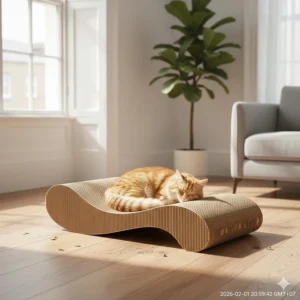
Here’s where furniture protection meets cat furniture in the most elegant way. The CheerPals Dual-Use Sisal Cat Scratcher Bed isn’t just protection—it’s an investment in both your furniture and your cat’s wellbeing. This L-shaped beauty combines a scratching surface with a comfortable lounging spot.
Key Specifications:
- Dimensions: 160° curved design, 60cm x 35cm x 15cm
- Materials: Solid beech wood frame with natural sisal pad
- Design: Extra-large capacity for all cat sizes
This is proper furniture that happens to protect your other furniture. The 160-degree curved design creates a cosy nook where cats naturally want to settle, whilst the sisal scratching surface satisfies their claw maintenance needs. The solid beech wood construction means it’s built to last—no wobbling or tipping, even with larger cats.
UK owners with multiple cats particularly love this option. The extra-large size means there’s room for everyone, reducing territorial disputes that can lead to stress-related furniture scratching. As the RSPCA notes, scratching can be a sign of boredom or stress, and providing proper scratching opportunities helps prevent this behaviour. One British reviewer with three cats reported it completely stopped their furniture scratching within days of introduction.
✅ Pros:
- Dual function as scratcher and bed
- Premium solid wood construction
- Suitable for multi-cat households
❌ Cons:
- Requires floor space
- Higher investment (£45-£65)
UK Price: £45-£65 | Available from specialist pet retailers and Amazon.co.uk
7. Adiwo Self-Adhesive Sisal Mat – The DIY Solution
For the creative cat owner who wants customised protection, the Adiwo Self-Adhesive Sisal Mat offers ultimate flexibility. This trimmable scratching mat lets you create bespoke protection exactly where you need it.
Key Specifications:
- Size: 30cm x 100cm (can be trimmed to any size)
- Material: Natural sisal with self-adhesive backing
- Application: DIY climbing scratcher and furniture protector
The beauty of this mat is its adaptability. Need to protect an oddly-shaped piece of furniture? Trim it to fit. Want to create a climbing wall for your cat? Arrange multiple mats vertically. Several UK buyers have used it to create elaborate cat playgrounds on walls, simultaneously protecting those walls whilst providing enrichment.
The natural sisal is exactly what cats crave for scratching—rough enough to be satisfying, durable enough to last. The grey colour is wonderfully neutral, and when properly installed, it looks intentional rather than like a desperate furniture protection measure. One ingenious British customer created a custom scratching wrap around their stair banister, which their cat absolutely adores.
✅ Pros:
- Fully customisable to any space
- Natural sisal appeals to cats
- Can create climbing walls
❌ Cons:
- Requires DIY effort
- May need multiple mats for large areas
UK Price: £10-£18 | Available on Amazon.co.uk
Understanding Why Cats Scratch Furniture
Before we dive deeper into solutions, it’s worth understanding what drives this behaviour. Cats aren’t scratching your furniture out of spite or to annoy you—they’re fulfilling several essential biological needs.
The Science Behind Scratching
According to Cats Protection, scratching is a normal and instinctive behaviour for cats with two main reasons: to mark territory and to communicate with other cats. Those scent glands between their paw pads leave a unique smell that’s undetectable to us but crystal clear to other felines. It’s their way of saying “this is my space” without uttering a meow.
But there’s more to it. Scratching serves as essential exercise, allowing cats to stretch their entire body and flex those important back and shoulder muscles. It’s also brilliant claw maintenance—scratching helps remove the dead outer layer of their claws, keeping them sharp and healthy. Think of it as their version of filing their nails, except their “nail file” happens to be your leather sofa.
Why Furniture Becomes the Target
Your furniture possesses several qualities that make it irresistible to cats. It’s usually sturdy enough to push against, tall enough for a good stretch, and conveniently located in territories they’ve already claimed as their own. The texture of many upholstery fabrics mimics tree bark—the natural scratching surface that cats would use in the wild.
Location matters enormously too. Cats often scratch near entrances, windows, or sleeping areas—all prime furniture locations in our homes. If your cat is scratching near doorways or windows, they’re likely feeling territorial, especially if there are neighbourhood cats visible outside. Understanding this helps you position alternative scratching solutions more effectively.
How to Choose the Right Cat Scratcher to Protect Furniture
Selecting the perfect furniture protector requires considering both your cat’s preferences and your home’s specific needs. Here’s what to evaluate:
Assessing Your Cat’s Scratching Style
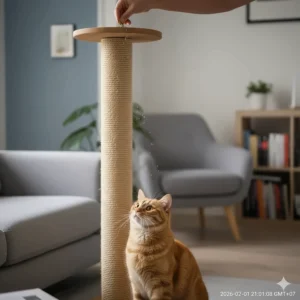
Watch your cat carefully. Do they prefer vertical scratching (like door frames) or horizontal surfaces (like carpets)? Some cats are carpet scratchers, whilst others are furniture climbers. The RSPCA advises that scratching posts need to be tall and sturdy enough so they don’t tip over when your cat stretches up fully. Observe whether your cat scratches with vigour or gentle paw movements—aggressive scratchers need heavy-duty solutions.
Material Preferences Matter
Cats can be surprisingly picky about textures. Sisal rope is the gold standard for most felines—it’s rough, satisfying, and durable. However, some cats prefer cardboard, carpet, or even smooth surfaces. If your current furniture is getting targeted, note its texture. Your cat might be telling you exactly what material they fancy for their new scratcher.
Space and Aesthetic Considerations
Be honest about your available space and décor tolerance. A massive cat tree might be perfect functionally, but if it doesn’t fit your living room aesthetic, you’re less likely to position it where it’s most effective. Fortunately, modern cat furniture has evolved beyond eyesore territory. Many 2026 options blend seamlessly with contemporary interiors.
Budget vs. Long-term Value
Whilst tempting to grab the cheapest option, consider the long-term economics. A £10 adhesive tape that needs monthly replacement costs more annually than a £40 sisal post that lasts years. Premium solutions often save money and hassle over time. That said, starting with an affordable option to test your cat’s preferences isn’t a bad strategy.
Installation and Training Tips for Maximum Success
Having the right cat scratcher to protect furniture is only half the battle—proper introduction and training ensure success. Here’s how to maximise your investment.
Strategic Positioning
Place scratchers where your cat already scratches or near their favourite lounging spots. Cats often scratch after waking, so positioning a scratcher near their bed captures this natural impulse. For sofa corner protectors, the positioning is obvious, but freestanding posts need careful thought. Near windows, doorways, and high-traffic areas typically work best.
Making the New Scratcher Irresistible
Encourage use with catnip, though not all cats respond to it. Some owners gently guide their cat’s paws onto the new surface, though never force it. Playing near the scratcher with favourite toys creates positive associations. When your cat uses the new scratcher, lavish praise and perhaps a treat—positive reinforcement works wonders.
Protecting Furniture During the Transition
Whilst introducing new scratching options, make your furniture temporarily less appealing. Cover targeted areas with aluminium foil or double-sided tape—cats generally detest these textures. This dual approach of making furniture unappealing whilst offering attractive alternatives speeds the transition. Remove these deterrents gradually once new scratching habits establish.
Patience is Essential
Behavioural changes take time. Expect several weeks before your cat fully transitions to the new scratching location. Consistency is crucial—don’t give up after a few days. If one scratcher isn’t working, try different materials or positions before concluding it’s ineffective. Some cats need options before they find their perfect match.
Different Types of Furniture Protection Solutions
The market offers various approaches to furniture protection, each with distinct advantages. Understanding these categories helps you select the most appropriate solution.
Adhesive Films and Tapes
These transparent solutions stick directly to furniture, creating an uninviting surface for cats. They’re ideal for renters or those wanting invisible protection. Most use medical-grade adhesive that removes cleanly. The downsides? They require regular replacement and aren’t suitable for all fabric types. Delicate materials like velvet or silk can be damaged upon removal.
Physical Barrier Sheets
Thicker than tapes, these vinyl sheets provide robust protection against determined scratchers. They’re particularly effective for larger surface areas or multiple pieces of furniture. Many come with optional twist pins for extra security on corners. Whilst more visible than tapes, they’re significantly more durable and offer better value for high-traffic scratching zones.
Scratching Posts and Furniture
These redirect rather than merely protect. From simple sisal-wrapped posts to elaborate cat trees, this category offers solutions that satisfy scratching urges properly. Premium options like the Sofa-Scratcher or CheerPals bed integrate protection with cat enrichment, addressing the root cause rather than just blocking access to furniture.
DIY and Customisable Options
Self-adhesive sisal mats and similar products let you create bespoke solutions. Perfect for unusual furniture shapes or specific problem areas. They require more effort but offer unmatched flexibility. Creative owners have built entire climbing walls, stair protectors, and custom furniture wraps using these materials.
Multi-Cat Household Considerations
Managing furniture protection becomes more complex with multiple cats. Each cat may have different preferences, and territorial issues can intensify scratching behaviour.
Providing Sufficient Scratching Options
The general rule is one scratching option per cat, plus one extra. In a three-cat household, that means at least four scratching surfaces. This prevents territorial disputes and ensures every cat has access when needed. Distribute scratchers throughout your home rather than clustering them in one area.
Addressing Territorial Scratching
When cats feel their territory is threatened—whether by neighbourhood cats, new pets, or household changes—scratching often intensifies. Position scratchers near windows and doorways where territorial marking is most likely. If one cat dominates certain scratchers, provide alternatives at different heights and locations to reduce competition.
Monitoring for Stress Indicators
Excessive or sudden increases in scratching can signal stress. Changes in household routine, new furniture, or even rearranged rooms can trigger anxiety-related scratching. If furniture scratching escalates despite proper alternatives, consult your vet to rule out medical issues and potentially arrange a referral to a feline behaviourist.
Sofa Corner Cat Scratcher: Targeted Protection
Sofa corners are prime scratching real estate for cats—they’re the perfect height, offer sturdy resistance, and are conveniently located in prime territory. Specialised corner scratchers address this specific challenge beautifully.
Why Corners Are Irresistible
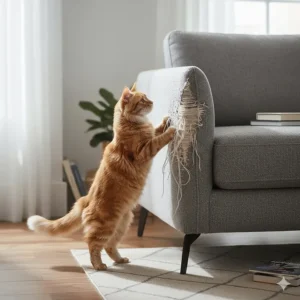
The corner’s structure provides resistance from two directions, making it ideal for that satisfying full-body stretch. Cats also appreciate the visibility—scratching a corner makes a visual statement to other cats (and humans) about ownership. The arms of sofas are often at perfect scratching height for most cats, explaining why they’re such common targets.
Corner-Specific Solutions
Products like the Sofa-Scratcher and PawHut corner post are designed specifically for this challenge. They slide under sofa legs or wedge into corners, creating an alternative scratching surface in exactly the spot your cat favours. The key advantage is that you’re not fighting your cat’s natural preference—you’re redirecting it onto an appropriate surface in the same location.
Installation Best Practices
Ensure corner scratchers are firmly anchored. Most slide under furniture legs, but some benefit from additional stability measures. The scratcher should be at least as tall as the furniture arm it’s protecting, allowing full stretching. If your sofa has rounded corners, ensure you select a scratcher designed for curved edges rather than 90-degree angles.
Furniture Protector Scratcher: Dual-Purpose Solutions
Some innovative products combine protective barriers with scratching surfaces, offering comprehensive solutions that address both protection and enrichment.
How Dual-Purpose Products Work
These clever designs typically feature a protective base that shields furniture whilst incorporating a sisal or cardboard scratching surface. They recognise that simply blocking access isn’t enough—you must provide an alternative. Products like the CheerPals scratcher bed exemplify this approach, creating an entirely new piece of furniture that cats prefer to your existing pieces.
Benefits of Integrated Approaches
Dual-purpose solutions are particularly effective because they address both the symptom (furniture damage) and the cause (need to scratch). They’re often more aesthetically pleasing than separate protective sheets and scratching posts. By creating a dedicated cat space near protected furniture, you’re essentially saying “yes, scratch here” rather than just “no, don’t scratch there.”
Selecting the Right Dual-Purpose Option
Consider your space constraints and cat’s size. Larger products like scratcher beds require floor space but offer maximum appeal. Smaller corner units integrate more discreetly but may not suit all furniture types. Match the product’s scratching surface to your cat’s preferences—if they currently scratch carpet, a carpeted protector likely works better than sisal.
Stop Cat Scratching Furniture: Training Techniques
Whilst physical solutions are essential, training reinforces positive behaviour and accelerates the transition away from furniture scratching.
Positive Reinforcement Methods
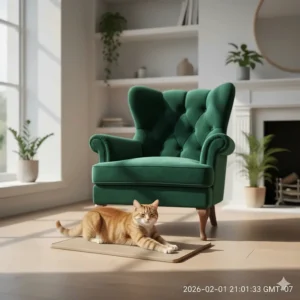
Reward your cat every time they use appropriate scratching surfaces. Treats, verbal praise, or petting—whatever your cat values most. The timing matters enormously; reward immediately after scratching to create the association. Never punish furniture scratching, as this creates stress without teaching alternatives, potentially worsening the behaviour.
Environmental Management
Make scratching posts more appealing than furniture. Fresh catnip, interactive toys attached to posts, or even treats hidden around scratchers increase engagement. Simultaneously, make furniture temporarily less attractive with deterrents like aluminium foil or commercial cat repellent sprays designed for furniture. This dual approach guides cats toward preferred options.
Consistency Across Household Members
Everyone in your home must follow the same approach. If one person allows furniture scratching whilst another discourages it, your cat receives mixed messages that slow progress. Ensure all family members understand the training plan and implement it consistently. This includes guests—brief them on not encouraging furniture scratching, even if it seems cute.
Recognising and Addressing Setbacks
Regression is normal, especially during stressful periods. Moving house, new pets, or changes in routine can trigger furniture scratching relapses. Don’t panic; return to basics with extra positive reinforcement and environmental management. If problems persist despite consistent training, consult a vet or feline behaviourist—there may be underlying health or anxiety issues requiring professional intervention.
Maintaining Your Furniture Protection Solutions
Proper maintenance extends the life of your investment and ensures continued effectiveness.
Regular Inspection and Replacement
Check adhesive solutions monthly for lifting edges or wear. Scratching posts should be inspected for loose sisal or instability. Replace adhesive tapes before they lose effectiveness—a lifting corner invites curious paws to peel further. Monitor posts for excessive wear; whilst some degradation is normal (and actually appealing to cats), structural weakness requires attention.
Cleaning and Hygiene
Clean around and under scratching posts regularly. Dust and fur accumulate, particularly on horizontal surfaces. Most vinyl protectors can be wiped clean with damp cloths, though check manufacturer guidance. Sisal surfaces can be vacuumed gently to remove loose fibres and dust. This maintenance keeps solutions looking intentional rather than neglected.
Refreshing Appeal
Over time, cats may lose interest in scratching posts. Revive appeal with fresh catnip, new hanging toys, or even repositioning the scratcher slightly. Some owners rotate scratching posts between rooms to maintain novelty. For adhesive solutions, replacing them proactively rather than waiting for complete failure prevents regression to furniture scratching.
When to Upgrade or Replace
Budget solutions like adhesive tapes are temporary by nature. After several months of use, consider upgrading to more permanent solutions if they’ve proven effective. Scratching posts typically last 1-2 years with moderate use, longer for premium options. When sisal becomes smooth and no longer satisfying to scratch, it’s replacement time—continuing with ineffective scratchers risks renewed furniture damage.
FAQ: Your Cat Furniture Protection Questions Answered
❓ Do cat scratching deterrents really work on leather sofas?
❓ How long does it take cats to stop scratching furniture with a new scratcher?
❓ Can I use furniture protectors if my cat has already damaged the sofa?
❓ Are corner cat scratchers suitable for recliners and armchairs?
❓ What's the best cat scratcher for preventing damage to rental property?
Conclusion: Choosing Your Perfect Furniture Protection Solution
Protecting your furniture from cat scratching isn’t about battling your feline friend—it’s about understanding their needs and providing appropriate alternatives. The seven solutions we’ve explored offer options for every budget, living situation, and cat personality. From the premium elegance of the Sofa-Scratcher to the budget-friendly versatility of the PawHut post, there’s a solution that’ll work for your home.
Remember, successful furniture protection combines physical barriers with positive redirection. The most expensive scratcher won’t work if positioned poorly or introduced without training. Conversely, even budget adhesive tapes can be remarkably effective when part of a comprehensive approach that includes strategically placed scratching alternatives.
Your cat isn’t trying to destroy your home—they’re simply following instincts that have kept felines healthy for millennia. By providing appropriate outlets for these behaviours whilst protecting your furniture during the transition, you create a win-win situation. Your cat gets to scratch to their heart’s content, and your furniture survives intact. That’s what I call a proper result!
Take action today rather than waiting for more damage. Whether you start with a simple adhesive protector whilst researching premium options or invest immediately in a quality corner scratcher, any step toward protection is progress. Your furniture—and your relationship with your cat—will thank you for it.
Recommended for You
- 7 Best Horizontal Cat Scratchers UK 2026
- 7 Best Sisal Scratching Posts UK 2026
- 7 Best Cardboard Cat Scratchers UK 2026
Disclaimer: This article contains affiliate links. If you purchase products through these links, we may earn a small commission at no additional cost to you. Prices shown are approximate and may vary.
✨ Found this helpful? Share it with your mates! 💬🤗
