
In This Article
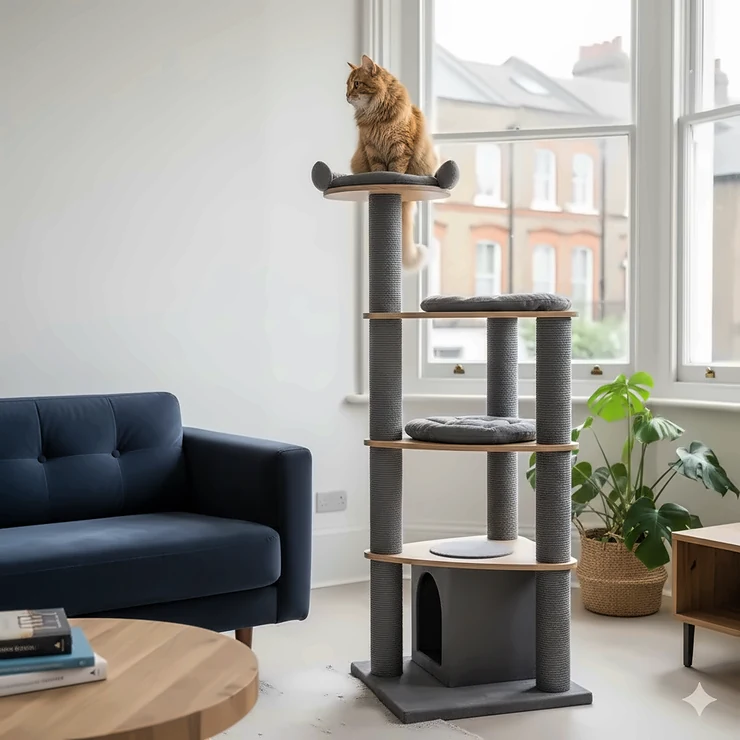
I’ll be honest with you – watching my beloved sofa slowly transform into a shredded mess was the wake-up call I needed. Like many cat owners across the UK, I’d underestimated just how essential a quality scratching post truly is. According to Cats Protection, scratching isn’t just a hobby for our feline friends; it’s a fundamental instinct that serves multiple purposes, from maintaining claw health to marking territory. After months of research and testing various options, I’ve discovered that sisal scratching posts reign supreme when it comes to satisfying your cat’s natural urges whilst keeping your furniture intact.
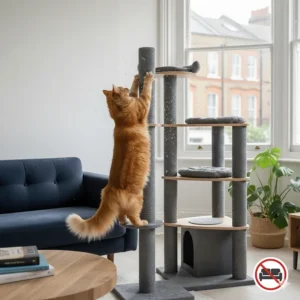
The beauty of sisal rope lies in its natural composition. Derived from the Agave sisalana plant, this sustainable material provides the perfect texture that mimics tree bark – what wild cats would naturally seek out. Unlike carpet-covered alternatives that might confuse your moggy about which household items are acceptable to scratch, sisal offers a distinct tactile experience. The coarse fibres allow your cat’s claws to sink in deeply, providing that satisfying resistance they crave. What’s particularly clever is that sisal actually becomes softer with use, encouraging repeated scratching sessions whilst maintaining its structural integrity for years.
Whether you’re dealing with a playful kitten or a dignified senior cat, finding the right sisal scratching post can transform your home life. In this comprehensive guide, I’ll walk you through the seven best options available on Amazon.co.uk in 2026, each tested against rigorous criteria including stability, height, durability, and value for money. From budget-friendly picks under £20 to premium options exceeding £40, there’s something here for every household and every feline personality.
Quick Comparison Table
| Product | Height | Price Range | Best For | Rating |
|---|---|---|---|---|
| Feandrea PCA041G01 | 85 cm | £35-£45 | Large cats, full stretch | 4.7/5 ⭐ |
| Dimaka 29″ Grey | 74 cm | £25-£35 | Budget-conscious owners | 4.4/5 ⭐ |
| Amazon Basics Cactus | 65 cm | £18-£24 | Small spaces, kittens | 4.5/5 ⭐ |
| Rex & Roxy 80cm | 80 cm | £30-£38 | Mid-range quality | 4.3/5 ⭐ |
| Feandrea PCA022M01 | 71 cm | £26-£32 | Cats who love perches | 4.6/5 ⭐ |
| Dimaka 86cm Ultimate | 86 cm | £32-£42 | Maximum height stretch | 4.5/5 ⭐ |
| HOMYHANDS 82cm | 82 cm | £28-£36 | Interactive play lovers | 4.4/5 ⭐ |
💬 Just one click – help others make better buying decisions too!😊
Top 7 Sisal Scratching Posts: Expert Analysis
1. Feandrea Cat Scratching Post PCA041G01 – Best Overall Choice
If you’re after the Rolls-Royce of scratching posts, the Feandrea PCA041G01 deserves serious consideration. This dove grey beauty stands at an impressive 85 cm tall, providing ample space for even the largest Maine Coons to achieve that full-body stretch they crave.
Key Specifications:
- Dimensions: 50 x 40 x 85 cm (19.7″ x 15.8″ x 33.5″)
- Weight: 5 kg for excellent stability
- Material: Premium sisal wrapped around MDF with plush base
Price: £35-£45 (typically £38.99 on Amazon.co.uk)
UK buyers consistently praise this post’s robust construction. One reviewer from Manchester noted their 5.5 kg ragdoll uses it multiple times daily without any wobbling. The reinforced base features extra battens underneath, preventing that annoying toppling issue cheaper posts suffer from. The spring pompom with built-in bell adds entertainment value, though some owners remove it for noise-sensitive households.
✅ Pros: Exceptional stability, perfect height for large breeds, thick 7 cm sisal pole, attractive neutral colour
❌ Cons: Higher price point, requires regular hoovering around base due to sisal shedding
UK Customer Feedback: British cat owners particularly appreciate the quick assembly (under 5 minutes) and the fact it arrives with all necessary screws included. Several reviews mention it lasting over 6 months with heavy daily use from multiple cats.
2. Dimaka 29″ Tall Cat Scratching Post – Best Budget Option
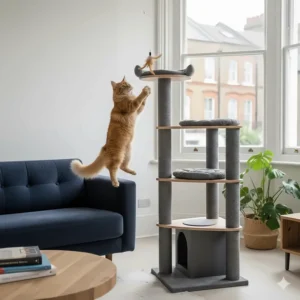
For those watching their pennies without compromising on quality, the Dimaka 29″ Grey model offers remarkable value. At 74 cm tall, it provides sufficient scratching height for most average-sized moggies.
Key Specifications:
- Height: 74 cm (29 inches)
- Natural sisal rope wrapping
- Soft plush base with grey finish
Price: £25-£35 (frequently £27.99)
This post punches well above its weight class. Made from thick cardboard tubing wrapped in natural fibrous sisal, it’s surprisingly durable considering the modest price. The heavy chipboard base covered with soft plush provides reliability and stability, though owners of particularly hefty cats (over 7 kg) report slight wobbling during vigorous scratching sessions.
✅ Pros: Excellent value for money, good height, easy assembly, attractive modern design
❌ Cons: Base may lean slightly with very large cats, pompom balls detach easily
UK Customer Feedback: Many British buyers mention ordering this as a “trial” scratching post, only to be pleasantly surprised by its longevity. One London-based owner reported it lasting four months with daily use before showing significant wear.
3. Amazon Basics Cat Scratching Post – Best for Small Spaces
The Amazon Basics Cactus design brings a playful aesthetic whilst maximising functionality in compact flats. Standing at 65 cm, it’s ideal for kittens and smaller adult cats.
Key Specifications:
- Height: 65 cm
- Blend of natural sisal and carpet-like material
- Dangling ball toy included
Price: £18-£24 (often £21.47, sometimes on sale for £16.66)
This eye-catching cactus-shaped post has earned cult status among UK cat owners on a budget. The blend of sisal and carpet provides varied textures that appeal to different scratching preferences. As noted in PetsRadar’s review, their tester’s cats spent “blissful hours” using similar Amazon Basics products.
✅ Pros: Space-saving design, excellent price point, fun aesthetic, quick assembly (no tools needed)
❌ Cons: Not tall enough for large breeds to fully stretch, carpet sections may attract furniture scratching
UK Customer Feedback: British buyers particularly appreciate the free Prime delivery and easy returns policy. Several mention purchasing multiple units to scatter throughout their homes.
4. Rex & Roxy Cat Scratching Post 80CM – Best Mid-Range Pick
The Rex & Roxy 80cm model strikes a lovely balance between affordability and quality, making it perfect for households with medium to large cats.
Key Specifications:
- Height: 80 cm
- Durable sisal-wrapped posts
- Plush base with hanging toy
Price: £30-£38
This British brand has built a solid reputation for understanding what UK cats need. The post features thick sisal wrapping that withstands enthusiastic scratching, whilst the soft grey fabric blends seamlessly into most home décors. The multi-level design isn’t just about scratching – it encourages climbing and lounging behaviours too.
✅ Pros: Stable construction, good height for full stretch, attractive neutral colour scheme
❌ Cons: Some quality control issues reported, may wobble with 12 lb+ cats
UK Customer Feedback: Mixed reviews suggest while most buyers are satisfied, there’s some variance in build quality. Several mention the hanging rope and fluffy mouse shredding quickly, though the sisal post itself remains durable.
5. Feandrea Cat Scratching Post PCA022M01 – Best with Perch
For cats who enjoy elevated lounging alongside their scratching sessions, the Feandrea PCA022M01 offers the perfect combination. This beige beauty includes a comfortable 40 x 30 cm plush perch.
Key Specifications:
- Height: 71 cm
- Woven sisal scratching surface
- Removable washable perch cover
- Base dimensions: 45 x 40 cm
Price: £26-£32
The dual functionality here is brilliant – your cat can scratch away on the woven sisal post, then immediately hop up to the perch for a well-deserved nap. UK buyers love the removable perch cover which pops straight into the washing machine, maintaining hygiene without fuss. The anti-tip kit for wall attachment provides extra security in households with particularly acrobatic felines.
✅ Pros: Versatile 2-in-1 design, washable components, anti-tip kit included, spare pompom provided
❌ Cons: Perch may be small for larger breeds, instructions picture-only
UK Customer Feedback: A Bristol-based reviewer mentioned their adopted stray cat took to it immediately, using both the scratching post and perch within minutes. The fast delivery (often next-day with Prime) receives consistent praise.
6. Dimaka 86cm Tall Ultimate Cat Scratching Post – Best for Maximum Height
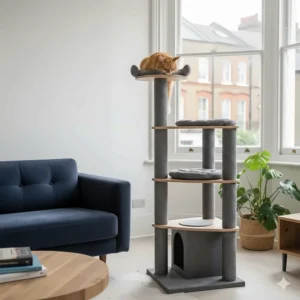
If your cat is a proper stretcher who demands maximum reach, the Dimaka 86cm Ultimate delivers. This is the tallest option in our roundup, perfect for large breeds or particularly tall moggies.
Key Specifications:
- Height: 86 cm (33.9 inches)
- Sisal rope with soft smooth plush covering
- Modern stable V2 design
- Grey colourway
Price: £32-£42
This updated V2 version addresses stability concerns from earlier models. The extended height allows even the lankiest cats to achieve that satisfying full-body extension that’s so crucial for muscle health. According to research published in veterinary journals, cats need to stretch to approximately 1.5 times their body length – this post accommodates that beautifully.
✅ Pros: Maximum stretching height, improved stability in V2, durable construction, attractive finish
❌ Cons: Takes up more floor space, slight learning curve for assembly
UK Customer Feedback: British buyers with Norwegian Forest Cats and Maine Coons specifically mention this as their go-to choice. One Edinburgh owner noted their 8 kg cat uses it vigorously without any toppling concerns.
7. HOMYHANDS 82cm Cat Scratching Post – Best for Interactive Play
The HOMYHANDS 82cm model combines scratching functionality with interactive entertainment through its dual dangling ball system and spring ball toys.
Key Specifications:
- Height: 82 cm
- Premium sisal rope wrapping
- Two interactive dangling balls plus spring ball toys
- Suitable for indoor kittens and cats
Price: £28-£36
This post recognises that scratching and play often go hand-in-hand. The multiple toy elements keep curious cats engaged for extended periods, reducing boredom-related destructive behaviours. The premium sisal rope withstands countless scratching sessions whilst the toys provide mental stimulation – particularly valuable for indoor-only cats across the UK.
✅ Pros: Multi-functional entertainment, good quality sisal, appropriate height, engaging for energetic cats
❌ Cons: Toys may need replacing over time, slightly higher maintenance
UK Customer Feedback: Cat owners in smaller UK flats particularly appreciate this space-efficient design that combines scratching, climbing, and play in one unit. Several mention it’s perfect for keeping indoor cats mentally stimulated during long British winters.
✨ Don’t Miss These Exclusive Deals!
🔍 Take your cat care to the next level with these carefully selected products. Click on any highlighted item to check current pricing and availability on Amazon.co.uk. These tools will help you create authentic feline happiness your family will love!
Understanding Sisal: Why It’s Superior to Other Materials
When you’re browsing scratching posts, you’ll encounter various materials – carpet, cardboard, wood, and of course, sisal. But what makes sisal the gold standard for cat furniture? Let me break down the science and practicality behind this natural wonder.
Sisal comes from the Agave sisalana plant, primarily grown in Brazil and Mexico. The plant’s fibres are harvested, woven, and twisted to create either sisal rope or sisal fabric. Both forms work brilliantly for cat scratching posts, though they offer slightly different experiences. As explained by veterinary behaviourists, sisal’s coarse texture perfectly mimics tree bark – the natural scratching substrate for wild felines. This instinctive appeal means your cat is more likely to choose their sisal post over your velvet sofa.
The durability factor cannot be overstated. Whilst carpet-covered posts might seem economical initially, they often fray and unravel within months. Sisal, conversely, maintains its integrity for years. The fibres become softer with use rather than damaged, actually encouraging more scratching over time. This progressive softening is particularly clever from a cat’s perspective – they receive consistent positive feedback each time they use the post.
Sisal Rope vs Sisal Fabric
There’s an ongoing debate in the cat care community about which sisal format reigns supreme. Sisal rope features those distinctive wound coils you see on most commercial scratching posts. It’s incredibly durable and provides excellent three-dimensional texture. However, as cats scratch, the rope fibres can become dislodged and occasionally sharp, which might dissuade sensitive cats from continuing.
Sisal fabric, on the other hand, offers a flatter, more uniform surface. According to research from veterinary behaviourists, sisal fabric allows cats’ claws to slide through the material smoothly, creating satisfying shredding without the catching sensation that rope sometimes produces. The fabric also tends to wear more evenly, maintaining a consistent texture throughout its lifespan.
From an environmental perspective, sisal scores top marks. The plant requires minimal water and no pesticides to flourish, making it one of the most sustainable materials available. When your post finally reaches end-of-life (usually after several years), the sisal is completely biodegradable and can be composted. Compare this to synthetic alternatives that sit in landfills indefinitely, and the choice becomes even clearer.
How to Choose the Perfect Sisal Scratching Post
Selecting the right scratching post isn’t simply about grabbing the cheapest option on Amazon. Your cat’s physical characteristics, scratching preferences, and your home environment all play crucial roles. Here’s what you need to consider:
Height Matters More Than You Think
The Blue Cross recommends scratching posts should allow cats to scratch at full stretch. For most adult cats, this means a minimum height of 60-70 cm. Larger breeds like Maine Coons or Norwegian Forest Cats benefit from posts exceeding 80 cm. When cats wake up, they instinctively stretch and scratch – it’s how they work their muscles from toes to shoulders. A post that’s too short forces awkward angles, making it less appealing than your conveniently tall door frame.
Stability is Non-Negotiable
I cannot emphasise this enough: a wobbly post is a useless post. Cats put significant force into their scratching – they’re essentially doing a feline workout. If the post tips or wobbles, your cat will quickly lose confidence and seek steadier alternatives (hello, sofa arm). Look for posts with:
- Wide, heavy bases (minimum 40 x 40 cm)
- Reinforced internal structure
- Weight of at least 3-5 kg
- Optional wall-mounting capabilities for extra security
Diameter and Thickness
The thickness of the sisal-covered pole affects how satisfying the scratching experience feels. Posts with diameters of 7-12 cm allow cats to grip with both paws simultaneously, mimicking the natural behaviour they’d exhibit with tree trunks. Thinner posts (under 6 cm) may only accommodate single-paw scratching, which isn’t quite as satisfying.
Base Material Considerations
Whilst the sisal portion gets all the attention, don’t overlook the base material. Plush or carpet-covered bases provide comfortable lounging spots post-scratch. However, if you’re training your cat away from scratching carpets elsewhere in your home, you might opt for a wooden or smooth base to maintain clear distinctions between acceptable and forbidden scratching surfaces.
Benefits of Sisal Scratching Posts vs Traditional Alternatives
Let’s compare sisal against its main competitors: carpet, cardboard, and wood. Each has its advocates, but sisal consistently outperforms in key areas.
| Feature | Sisal | Carpet | Cardboard | Wood |
|---|---|---|---|---|
| Durability | Excellent (years) | Poor (months) | Fair (3-6 months) | Excellent (years) |
| Natural Appeal | Very high | Medium | Low | Very high |
| Maintenance | Low | Medium | High (mess) | Low |
| Cost Effectiveness | High | Medium | Low | High |
| Environmental Impact | Excellent | Poor | Good | Excellent |
Carpet-covered posts might seem logical since many homes have carpeting, but this can backfire. As Cats Protection notes, if cats can’t distinguish between the scratching post carpet and your hallway carpet, they’re more likely to scratch both. The fuzzy texture also tends to snag claws uncomfortably, leading to avoidance.
Cardboard scratchers have their place, particularly for horizontal scratchers or as supplementary options. They’re inexpensive and recyclable, but the mess they create is substantial. Cardboard shreds scatter everywhere, requiring daily hoovering. They also wear out rapidly, needing replacement every few months.
Wooden scratching posts or tree trunks offer excellent natural appeal. However, they’re heavy, expensive, and can be difficult to source with the right bark texture. They’re also challenging to replace when worn. Sisal provides all the benefits of wood without these drawbacks.
The PDSA (People’s Dispensary for Sick Animals) emphasises that providing appropriate scratching surfaces isn’t optional – it’s essential for feline welfare. Scratching maintains claw health, provides exercise, and allows territorial marking. Sisal scratching posts fulfil all these needs whilst being practical for UK households.
Proper Placement: Where to Position Your Sisal Scratching Post
You could own the finest sisal scratching post in Britain, but if it’s hidden behind the sofa in the spare bedroom, your cat won’t use it. Placement strategy significantly impacts success rates.
High-Traffic Areas Win
Cats scratch partly to mark territory, so they prefer prominent locations where their marks will be noticed. Think living rooms, hallways, and near windows. Tucking posts away in corners or behind furniture defeats this purpose. One of my posts sits right beside our main sofa – not the most aesthetically pleasing choice, but it works brilliantly.
Near Sleeping Spots
Cats often scratch immediately upon waking, working out the kinks from their naps. Position at least one post near your cat’s favourite sleeping spot. This might be by their cat bed, but equally could be near that sunny windowsill they colonise every afternoon.
Multiple Locations for Multiple Cats
If you’re blessed with a multi-cat household, the general rule is one post per cat, plus one extra. This prevents resource guarding and ensures everyone has scratching access without conflict. Distribute them throughout your home rather than clustering them all together.
Conflict Zones
Notice where your cat currently scratches inappropriately. That’s exactly where you need a post. Scratching near windows or external doors often signals anxiety about outdoor cats encroaching on territory. Placing a post in these locations provides an appropriate outlet for these feelings whilst protecting your window frames.
Training Your Cat to Use a Sisal Scratching Post
Even with the perfect post perfectly positioned, some cats need gentle encouragement. Here are proven techniques that work with British moggies:
The Catnip Trick
Quality catnip (or cat mint, as it’s sometimes known in the UK) works wonders for post introduction. Rub dried catnip or spray catnip spray onto the sisal surface. About 70% of cats respond to catnip, becoming more playful and likely to investigate the post. For the 30% who don’t react to catnip, try silvervine or valerian root alternatives.
Positive Reinforcement
Catch your cat in the act of using their post? Shower them with praise, treats, or brief play sessions. This positive association builds quickly. Conversely, never punish scratching inappropriate items – this creates anxiety without addressing the underlying need to scratch.
Interactive Introduction
Use a fishing rod toy or feather wand to play around the post. As your cat pounces and grabs, they’ll naturally extend their claws into the sisal. This accidental discovery often leads to intentional use later.
Furniture Protection Meanwhile
Whilst training is underway, protect vulnerable furniture with temporary measures. Thick plastic sheeting (the slippery kind), double-sided sticky tape, or aluminium foil create unpleasant scratching surfaces. Once your cat consistently uses their sisal post, these can be removed.
Patience and Consistency
Some cats take to new posts immediately; others need weeks. Persevere with positive methods, and eventually, the natural appeal of sisal wins them over. According to veterinary behaviour research, sisal scratching posts are preferred by most cats over other materials when properly introduced.
Maintaining Your Sisal Scratching Post
Proper maintenance extends your post’s lifespan from months to years, making it excellent value for money.
Regular Inspection
Check monthly for loose sisal fibres, particularly where the rope attaches at top and bottom. Trim any long loose strands with scissors – cats can get tangled in these. Examine the base for wobbling or damage to anti-slip pads.
Cleaning Protocol
Sisal naturally resists staining, but it does collect dust, fur, and the occasional hairball mishap. Vacuum the sisal surface weekly using your hoover’s upholstery attachment. For deeper cleaning, lightly brush with a stiff bristle brush. Avoid water or steam cleaners – sisal shrinks when wet and takes ages to dry in Britain’s damp climate.
Refreshing Appeal
After months of use, even quality sisal can lose its fresh appeal. Reapply catnip every few weeks to maintain interest. Some owners rotate between two posts, giving each a “rest period” to air out and shed accumulated fur.
When to Replace
Eventually, even the best sisal posts need replacing. Signs include:
- Significant unravelling or fraying
- Exposed cardboard or wood beneath sisal
- Structural instability that can’t be tightened
- Your cat suddenly avoiding the post
For most quality posts with moderate use, you’re looking at 2-3 years before replacement becomes necessary. Heavy use from multiple cats might reduce this to 12-18 months, but that’s still excellent value compared to furniture repair costs.
Frequently Asked Questions
❓ What is the best height for a sisal scratching post UK?
❓ How long does a sisal scratching post typically last?
❓ Is sisal rope safe if my cat chews it?
❓ Can I make a DIY sisal scratching post at home?
❓ Why does my cat ignore the sisal post and scratch furniture instead?
Conclusion: Investing in Your Cat’s Natural Behaviour
After evaluating dozens of options available across the UK market, it’s clear that sisal scratching posts represent one of the smartest investments for cat owners. The upfront cost of £20-£45 pales in comparison to replacing scratched sofas or repairing damaged door frames. More importantly, you’re providing an essential outlet for your cat’s instinctive behaviours.
The Feandrea PCA041G01 earns my top recommendation for its unbeatable combination of height, stability, and durability. It’s worth the slightly higher price for peace of mind and longevity. Budget-conscious owners will find excellent value in the Dimaka 29″ model, which delivers impressive performance without breaking the bank. For small spaces or kittens, the Amazon Basics Cactus post offers functionality with a dash of whimsy.
Remember that introducing a sisal scratching post isn’t just about furniture protection – it’s about respecting your cat’s natural instincts whilst creating a harmonious home environment. Whether you’re dealing with a destructive young kitten or hoping to redirect an adult cat’s established habits, the right post makes all the difference. Take time to consider your cat’s size, your space constraints, and your budget. The perfect sisal scratching post is out there waiting to transform both your furniture and your feline’s wellbeing.
Recommended for You
- 7 Best Cardboard Cat Scratchers UK 2026
- 7 Best Scratching Post for Large Cats UK 2026
- 7 Best Tall Cat Scratching Posts UK 2026
Disclaimer: This article contains affiliate links. If you purchase products through these links, we may earn a small commission at no additional cost to you. Prices shown are approximate and may vary.
✨ Found this helpful? Share it with your mates! 💬🤗
