
In This Article
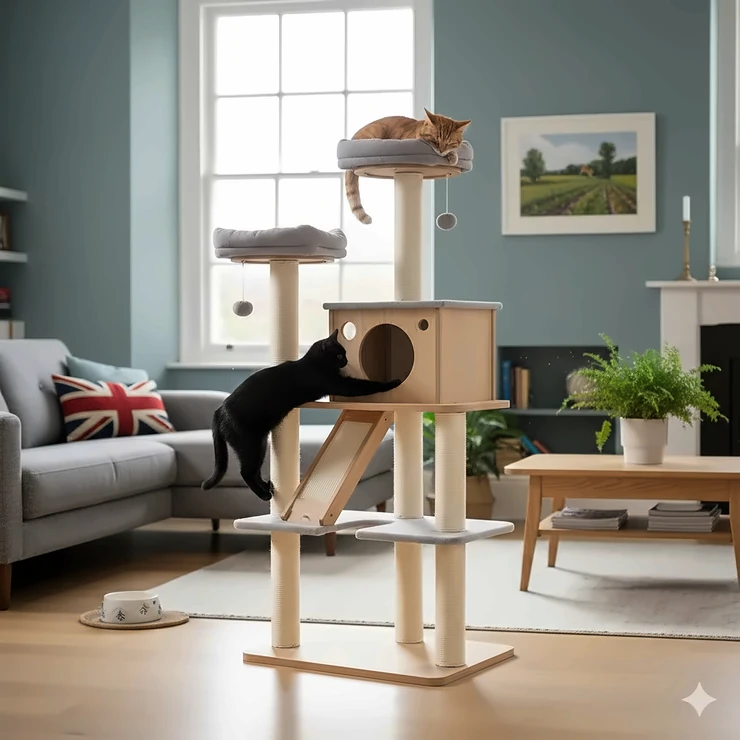
Picture this: you’ve just invested in a gorgeous new sofa, only to find your beloved feline has claimed it as their personal scratching post. Sound familiar? You’re not alone—thousands of UK cat owners face this daily battle. The good news? A quality cat tree with scratching post can transform your home from a war zone into a peaceful paradise for both you and your furry friend.
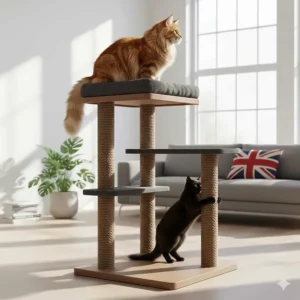
Scratching is a natural and instinctive behaviour for cats, serving multiple purposes including claw maintenance and territorial marking through scent glands in their paws. Unlike dogs who can be trained to suppress natural behaviours, cats will scratch regardless—the question isn’t if they’ll scratch, but where. That’s precisely why investing in a proper cat tree with scratching post isn’t just a luxury; it’s an absolute necessity for harmonious cohabitation.
In this comprehensive guide, I’ll walk you through the seven best options available on Amazon.co.uk in 2025, from budget-friendly basics to premium designs that’ll make your Instagram followers jealous. Whether you’ve got a playful kitten or a distinguished senior cat, we’ve got you covered with real products, genuine prices, and honest reviews from UK buyers just like you.
Quick Comparison Table
Before we dive into the detailed reviews, here’s a snapshot of our top picks to help you make a quick decision:
| Product | Height | Price Range | Best For | Rating |
|---|---|---|---|---|
| Amazon Basics Cat Tree Tower | 117cm | £40-£60 | Budget-conscious buyers | 4.5/5 ⭐ |
| PAWZ Road Cactus Cat Tree | 80-116cm | £35-£90 | Stylish modern homes | 4.6/5 ⭐ |
| Feandrea Large Cat Tower | 143-206cm | £70-£150 | Multi-cat households | 4.8/5 ⭐ |
| Yaheetech Rattan Cat Tree | 91-144cm | £45-£80 | Contemporary décor | 4.4/5 ⭐ |
| HOMIDEC Cat Scratching Post | 90cm | £20-£35 | Small spaces & kittens | 4.2/5 ⭐ |
| PawHut Floor to Ceiling | 240-260cm | £60-£100 | Maximum climbing space | 4.5/5 ⭐ |
| Ficus Leaf Cat Tree | 150cm | £50-£80 | Nature-inspired design | 4.3/5 ⭐ |
💬 Just one click – help others make better buying decisions too! 😊
Top 7 Cat Tree with Scratching Post: Expert Analysis
1. Amazon Basics Cat Tree Tower – The Reliable Classic
The Amazon Basics Cat Tree Tower represents exceptional value without compromising on essentials. Standing at 117cm tall, this triple-platform wonder has become a staple in UK households, and for good reason.
Key Specifications:
- Seven sisal-wrapped scratching posts
- Three tiered platforms with carpeted surfaces
- Round top platform with raised sides (doubles as cosy bed)
- Dimensions: 45cm x 45cm x 117cm (LxWxH)
Price: £40-£60 (frequently on offer)
This beauty has garnered over 13,000 reviews on Amazon.co.uk, with UK buyers consistently praising its sturdiness and easy assembly. One Newcastle customer noted: “Had such a bargain at just under £28 during Prime Day—my two cats absolutely adore it, and it hasn’t budged an inch despite their enthusiastic use.”
✅ Pros:
- Exceptional stability with square base design
- Simple screw-together assembly (15-20 minutes)
- Corner-friendly placement
❌ Cons:
- Beige colour shows dirt quickly
- Not ideal for cats over 7kg
Best For: First-time cat owners and those seeking reliable, no-frills functionality
2. PAWZ Road Cactus Cat Tree – The Instagram-Worthy Option
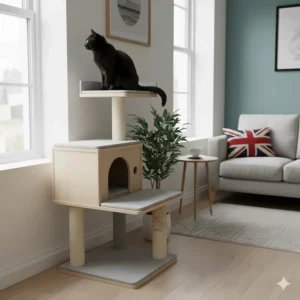
If aesthetics matter as much as functionality in your home, the PAWZ Road Cactus Cat Tree delivers both with panache. This quirky design has taken UK pet owners by storm, combining playful desert vibes with serious scratching capability.
Key Specifications:
- Adjustable height options (80-116cm models available)
- Large condo with viewing window
- Plush hammock and dangling ball toys
- Natural sisal scratching posts
Price: £35-£90 (depending on height variant)
UK customers rave about this tree’s unique appearance. A Birmingham buyer shared: “Our cats love it—they’ve used it daily for two years before the posts finally wore out, which is brilliant value.” The cactus theme adds a splash of personality whilst maintaining practical design elements.
✅ Pros:
- Eye-catching design that complements modern décor
- Machine-washable cushions
- Sturdy metal frame construction
❌ Cons:
- Fabric can snag kittens’ claws initially
- Assembly requires two people for taller models
Best For: Design-conscious homes and social media enthusiasts
3. Feandrea Large Cat Tower – The Premium Choice
When only the best will do, the Feandrea Large Cat Tower stands tall—literally. Available in heights from 143cm to an impressive 206cm, this is the Rolls-Royce of cat trees with scratching posts.
Key Specifications:
- 13 sisal-covered scratching posts
- Two spacious caves with dual entry points
- Plush hammock, basket lounger, and pompom toys
- Reinforced particleboard construction
- Weight capacity: Up to 6 cats (7kg each)
Price: £70-£150 (varies by height)
With over 10,745 five-star reviews, Feandrea has earned its reputation. A Manchester multi-cat household reported: “Worth every penny for our Bengal cats—the build quality is superb, and even after six months of heavy use, it still looks fantastic.” The anti-tip kit provides additional peace of mind for taller models.
✅ Pros:
- Exceptional build quality with thick posts (6.5cm diameter)
- Multiple activity zones prevent territorial disputes
- Neutral colours blend with any décor
❌ Cons:
- Requires significant floor space (50cm x 50cm base minimum)
- Assembly time: 45-60 minutes
Best For: Multi-cat households and owners prioritising longevity
4. Yaheetech Rattan Cat Tree – The Contemporary Masterpiece
The Yaheetech Rattan Cat Tree brings sophisticated elegance to cat furniture. With its woven wicker condo and cream tones, this piece looks more like designer furniture than pet equipment.
Key Specifications:
- Natural rattan wicker bed construction
- 48-91cm sisal scratching posts
- Removable, washable cushions
- Clear acrylic viewing bowl (select models)
- Dimensions: 91-144.5cm height options
Price: £45-£80
UK buyers appreciate the modern aesthetic. A London flat owner noted: “Fits perfectly with our Scandi décor—guests often compliment it before realising it’s for the cat!” The rattan construction provides additional texture variety for scratching preferences.
✅ Pros:
- Premium appearance elevates home décor
- Easy-clean materials throughout
- Lightweight yet stable
❌ Cons:
- Wicker may not suit aggressive scratchers
- Limited to medium-sized cats (under 6kg ideal)
Best For: Style-conscious urban dwellers with smaller cats
5. HOMIDEC Cat Scratching Post – The Space-Saving Solution
Not everyone has room for a towering cat palace, and that’s where the HOMIDEC Cat Scratching Post shines. This compact 90cm tower packs impressive functionality into a modest footprint.
Key Specifications:
- Multi-level platform design (3 tiers)
- Fully wrapped natural sisal posts
- Cosy igloo-style hideaway
- Base dimensions: 43cm x 43cm
Price: £20-£35
Perfect for flats and smaller homes, UK customers report excellent value. However, a Liverpool buyer cautioned: “Brilliant for our 4.5kg cat, but it does wobble when she jumps enthusiastically—lightweight construction is both a pro and con.” The price point makes it ideal for testing whether your cat will use a scratching post.
✅ Pros:
- Incredibly affordable entry point
- Quick assembly (under 15 minutes)
- Compact footprint
❌ Cons:
- Stability issues with larger cats
- Limited to 1-2 cats maximum
Best For: Kittens, small cats, and budget-conscious first-time buyers
6. PawHut Floor to Ceiling Cat Tree – The Ultimate Climbing Experience
For cats who dream of scaling mountains, the PawHut Floor to Ceiling Cat Tree offers vertical adventure galore. With adjustable heights from 240-260cm, this tower utilises your full ceiling height.
Key Specifications:
- Spring-loaded ceiling tension system
- Multiple platforms, ramps, and hideaways
- Integrated hammock and tunnel
- Dangling toy balls for entertainment
Price: £60-£100
UK buyers with active cats swear by this design. A Edinburgh owner shared: “Our two young cats treat it like a gym—they’re exhausted by evening, which means we finally get peaceful nights!” The floor-to-ceiling design maximises vertical territory without excessive floor space.
✅ Pros:
- Makes full use of vertical space
- Adjustable to most UK ceiling heights
- Excellent for high-energy cats
❌ Cons:
- Installation requires measuring and adjustment
- Not suitable for rental properties with ceiling restrictions
Best For: Active breeds like Bengals, Abyssinians, and young cats
7. Ficus Leaf Cat Tree – The Nature Lover’s Pick
The Ficus Leaf Cat Tree brings a touch of the outdoors inside with its botanical-inspired design. Standing at 150cm, this unique option features interchangeable artificial ficus leaves for a refreshing aesthetic.
Key Specifications:
- Realistic ficus leaf decoration
- Grass-textured base platform
- Safe sisal posts on every level
- Suitable for 1-3 cats
- Dimensions: 60cm x 60cm x 150cm
Price: £50-£80
The interchangeable leaves are a clever touch—simply swap them out when they become worn or faded. UK customers appreciate the outdoor vibe. One Hampshire buyer mentioned: “Gives our indoor cats a taste of nature—they sit and ‘bird watch’ from the platforms as if they’re in a real tree.”
✅ Pros:
- Unique biophilic design
- Replaceable leaf elements extend lifespan
- Multiple scratching surfaces
❌ Cons:
- Leaves may look artificial in bright light
- Assembly slightly more complex (interchangeable parts)
Best For: Indoor cats missing outdoor experiences
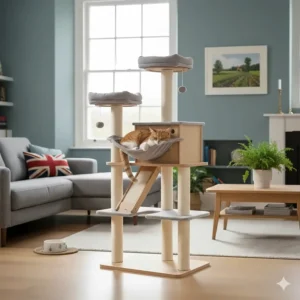
What Makes a Cat Tree with Scratching Post Essential?
Understanding why your feline friend needs a proper scratching outlet goes beyond simply saving your sofa. Cats scratch to maintain nail health, mark territory through scent glands in their paws, express emotions, and enjoy a satisfying stretch. It’s hardwired into their DNA—a behaviour they’d exhibit even if they lived in a palace.
The Science Behind Scratching
Scratching helps remove old damaged layers of nails, keeping them sharp for defence and hunting instincts. Even your pampered indoor moggie retains these primal urges. Without appropriate outlets, they’ll inevitably target your furniture, carpets, or wallpaper—items that provide similar satisfaction to tree bark in the wild.
Beyond physical maintenance, scratching serves crucial psychological functions. When cats scratch, they leave visual marks combined with unique scents from paw pads, creating messages for themselves and other felines. This territorial marking helps cats feel secure in their environment—particularly important in multi-cat households or busy family homes.
Benefits of Combined Cat Trees
A cat tree with scratching post offers multiple advantages over standalone scratchers:
🏠 Space Efficiency – Combines scratching, climbing, and resting in one unit
🐱 Behavioural Enrichment – Satisfies multiple natural instincts simultaneously
💷 Cost-Effective – Better value than purchasing separate items
🛋️ Furniture Protection – Redirects destructive behaviour away from valuables
According to research from animal behaviour specialists, cats who have access to appropriate scratching posts exhibit fewer stress-related behaviours and demonstrate better overall wellbeing.
How to Choose the Right Cat Tree with Scratching Post
Selecting the perfect cat tree involves more than picking the prettiest option. Here’s what actually matters:
Height Considerations
Posts should be tall enough for cats to scratch whilst standing on hind legs with forelegs fully extended—typically at least 80cm for adults. Kittens may manage with shorter posts (60-70cm), but they’ll quickly outgrow them. Consider your cat’s adult size when purchasing.
Vertical space is precious real estate in the feline world. Taller structures (120cm+) allow cats to survey their territory from elevated positions, satisfying their instinct to observe from height. Multi-cat households particularly benefit from taller trees, as they provide distinct vertical territories that reduce conflict.
Stability is Non-Negotiable
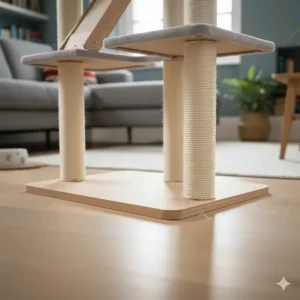
A wobbly scratching post is worse than useless—it’ll actually deter your cat from using it. Cats require sturdy, non-toppling structures that won’t shift during vigorous scratching sessions. Look for these stability indicators:
✔️ Wide, weighted bases (minimum 40cm x 40cm)
✔️ Reinforced bottom plates or battens
✔️ Anti-tip kits for taller models (especially important with children in the home)
✔️ Posts with minimum 6cm diameter
UK buyers consistently rate stability as their top priority. A tree that topples during first use will likely be rejected permanently by your cat—they have long memories when it comes to frightening experiences.
Material Matters
Sisal Rope vs. Carpet: The eternal debate! Most cats prefer sisal rope because it allows claws to hook and tear satisfyingly, though some favour carpet or cardboard. Sisal offers superior durability—expect 1-2 years of heavy use before replacement becomes necessary.
Platform Covering: Plush or carpet-covered platforms provide comfort for lounging. Ensure materials are non-toxic and tightly secured (loose fabric can be hazardous if ingested).
Base Construction: Particleboard is standard and adequate for most cats. However, multi-cat households or homes with Maine Coons should consider reinforced engineered wood or solid wood options.
Size Guide: Matching Trees to Your Space
UK homes vary dramatically in size, so here’s a practical breakdown:
Small Flats (Less than 50m²)
Opt for compact towers (80-100cm) with modest bases (40cm x 40cm). The HOMIDEC or smaller PAWZ Road models work brilliantly in tight quarters.
Medium Homes (50-100m²)
Standard towers (100-150cm) fit comfortably. This is the sweet spot for most UK households—sufficient variety without overwhelming your living room.
Large Homes (100m²+)
Go wild! Floor-to-ceiling models or expansive multi-level structures (150-260cm) provide maximum enrichment. Feandrea’s largest models or PawHut ceiling towers are ideal.
Placement Strategy
Location dramatically impacts usage rates:
- Near sleeping areas – Cats love scratching post-nap stretches
- By windows – Combines bird-watching with scratching opportunities
- High-traffic zones – Reinforces territorial marking where it matters most
- Away from litter trays – Cats prefer distinct zones for different activities
Cat Tree Materials Comparison
Understanding material differences helps predict longevity and cat preferences:
| Material | Durability | Cat Appeal | Maintenance | Price Impact |
|---|---|---|---|---|
| Natural Sisal | ⭐⭐⭐⭐⭐ | ⭐⭐⭐⭐⭐ | Low | Moderate |
| Synthetic Sisal | ⭐⭐⭐ | ⭐⭐⭐⭐ | Low | Budget |
| Carpet | ⭐⭐ | ⭐⭐⭐ | High (traps hair) | Budget |
| Cardboard | ⭐ | ⭐⭐⭐⭐ | Very High | Very Low |
| Natural Wood | ⭐⭐⭐⭐⭐ | ⭐⭐⭐⭐ | Low | Premium |
Natural sisal represents the best balance of durability and appeal for most cats. It mimics tree bark texture whilst withstanding thousands of scratching sessions.
Multi-Cat Household Considerations
Sharing isn’t always caring in the feline world. If you’ve got multiple cats, these factors become crucial:
Territory Requirements
The ideal rule is one scratching post per cat, plus one extra. A household with three cats should ideally have four distinct scratching surfaces. Large cat trees with multiple posts can fulfil this requirement efficiently.
Vertical Territory Division
Dominant cats typically claim higher perches. Quality multi-level trees (like Feandrea’s 206cm models) provide distinct elevation zones, reducing conflicts. Ensure platforms are spaced sufficiently apart (minimum 30cm) so cats can pass without confrontation.
Entry/Exit Points
Hideaways and condos should have dual openings. Single-entrance spaces can create anxiety—a submissive cat may feel trapped if the dominant cat blocks the exit. Check product specifications carefully.
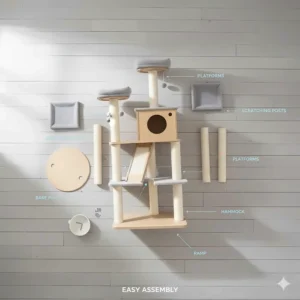
Installation and Assembly Tips
Even the best cat tree disappoints if assembled incorrectly. Here’s how to ensure success:
Before You Begin
📦 Unbox in the intended room – These structures can be cumbersome once assembled
🔧 Check hardware – Count screws and tools before starting
📱 Have instructions handy – Download manufacturer’s PDF if paper instructions are unclear
👥 Get help for tall models – Structures over 150cm benefit from two-person assembly
Assembly Order Matters
Most manufacturers recommend bottom-up construction, but top-down can be easier for very tall trees. Loosely connect all components first, then gradually tighten screws once everything’s aligned. This prevents frustrating realignment later.
Wall Anchoring
For households with children or particularly boisterous cats, wall anchoring is highly advisable. Most UK homes have plasterboard walls—use appropriate fixings rated for the tree’s weight plus cat load. Building regulations in the UK don’t require pet furniture anchoring, but it’s sensible practice.
Maintenance and Longevity
Proper care extends your investment considerably:
Weekly Maintenance
- Hoover platforms and hideaways to remove hair
- Check screw tightness (they gradually loosen with use)
- Inspect sisal wrapping for excessive wear
Monthly Tasks
- Wipe down platforms with pet-safe cleaner
- Assess structural integrity
- Trim any loose threads or fibres
When to Replace
Even quality trees eventually wear out. Warning signs include:
- Posts worn smooth (no sisal grip remaining)
- Wobbling despite tightened screws
- Platform fabric tears exposing sharp edges
- Musty odours persisting after cleaning
Most well-made cat trees with scratching posts last 2-4 years with proper maintenance. Budget models (under £30) typically survive 12-18 months of single-cat use.
✨ Don’t Miss These Exclusive Deals!
🔍 Take your cat’s enrichment to the next level with these carefully selected products. Click on any highlighted item to check current pricing and availability on Amazon.co.uk. These trees will help you create authentic harmony your family (furry members included!) will love!
Common Mistakes to Avoid
Learn from others’ mishaps:
Mistake #1: Choosing Style Over Function That Instagram-perfect minimalist post might photograph beautifully, but if it’s only 50cm tall, your adult cat won’t use it. Function must come first.
Mistake #2: Ignoring Your Cat’s Preferences Some cats prefer vertical scratching, others horizontal—observe your cat’s furniture scratching patterns before purchasing. If they’re ruining your carpet, a horizontal scratcher attachment is essential.
Mistake #3: Poor Placement Hiding the tree in a spare room defeats its purpose. Scratching posts should be placed in prominent, high-traffic areas where cats naturally want to mark territory.
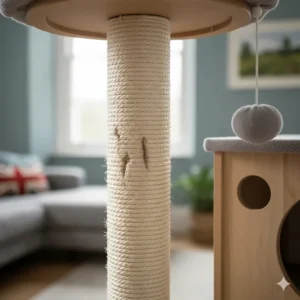
Mistake #4: Removing “Ugly” Used Posts Cats actually prefer well-used, shredded scratching posts because they smell familiar and show satisfying visual damage. That tatty appearance means it’s working perfectly—don’t replace it prematurely.
Mistake #5: Forgetting About Growth Kittens grow rapidly. That cute 60cm post suitable for your 12-week-old kitten will be inadequate within six months. Buy for adult size from the start.
Special Considerations for Different Cat Breeds
Large Breeds (Maine Coons, Ragdolls, Norwegian Forest Cats)
These gentle giants require reinforced structures. Look for specifications mentioning “large breed suitable” or weight limits above 8kg per cat. Wider platforms (minimum 40cm diameter) prevent overhang discomfort.
The Feandrea heavy-duty range specifically caters to larger breeds, with thick posts (8-10cm diameter) and reinforced bases. UK breeders frequently recommend these for Maine Coons.
Active Breeds (Bengals, Abyssinians, Ocicats)
High-energy cats benefit from floor-to-ceiling models or trees with integrated toys. The PawHut adjustable ceiling tree receives consistently positive feedback from Bengal owners on UK forums.
Senior Cats (10+ Years)
Older cats need lower entry points and closely-spaced platforms. Ramps or staggered platforms (maximum 25cm gaps) help arthritic cats navigate comfortably. The Yaheetech rattan models feature gentler climbing angles suitable for seniors.
Price vs. Value Analysis
Let’s talk brass tacks. UK cat tree prices range from £15 bargain bin specials to £200+ luxury models. Here’s what you’re actually paying for:
Budget Range (£15-£40)
- Basic construction (often lightweight particleboard)
- Limited platforms (typically 2-3 levels)
- Synthetic materials
- Lifespan: 12-18 months average
Best Pick: Amazon Basics towers offer exceptional value in this bracket. Their longevity exceeds price point expectations.
Mid-Range (£40-£90)
- Better materials (natural sisal, plush covering)
- More features (hammocks, toys, multiple hideaways)
- Improved stability
- Lifespan: 2-3 years average
Best Pick: PAWZ Road models dominate this category with strong customer satisfaction scores.
Premium Range (£90-£200+)
- Superior construction (reinforced bases, thick posts)
- Designer aesthetics
- Heavy-duty components
- Lifespan: 3-5+ years
Best Pick: Feandrea commands premium prices but delivers exceptional durability and multi-cat household capability.
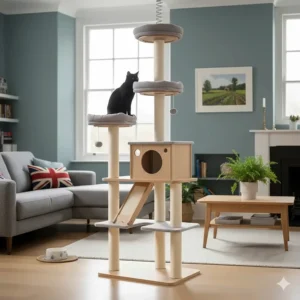
Environmental and Safety Concerns
Modern cat owners rightly care about sustainability and pet safety:
Material Safety
Ensure products meet UK/EU safety standards. Look for certifications indicating:
- Non-toxic adhesives
- Formaldehyde-free particleboard
- Lead-free paints/dyes
Reputable brands like Feandrea and Amazon Basics comply with UK Pet Product Safety Guidelines.
Sustainability Considerations
Natural sisal is renewable and biodegradable. Some manufacturers (including PAWZ Road) now offer replacement posts, extending product lifespan whilst reducing waste. When your tree reaches end-of-life, many UK councils accept pet furniture for bulky waste collection—check your local authority’s recycling policies.
Chemical Sensitivity
Cats are notoriously sensitive to strong odours. New trees often carry manufacturing smells. Allow new purchases to air outdoors or in a garage for 24-48 hours before introducing to your cat. This also helps dissipate any formaldehyde off-gassing.
Introducing Your Cat to Their New Tree
Purchase anxiety strikes everyone—what if your cat ignores it? Here’s how to ensure adoption:
The Introduction Process
- Placement First – Position the tree in its permanent location before introduction
- Catnip Temptation – Rub quality catnip on posts and platforms
- Toy Integration – Dangle favourite toys from upper levels
- Reward Investigation – Offer treats when cat shows interest
- Patience Pays – Some cats need days or weeks to fully embrace new furniture
Never force your cat by placing their paws on the post—this creates negative associations and may cause permanent avoidance. Let them investigate at their own pace.
Encouraging Proper Use
Play sessions near the tree help create positive associations. Use wand toys to entice your cat to climb and engage with different levels. Once they scratch spontaneously, immediately reward with treats or affection—positive reinforcement works brilliantly with cats.
Transitioning from Furniture
If your cat has established furniture scratching habits, place the new tree directly beside their favourite scratching spot, then gradually move it to your preferred location once they’re consistently using it. Simultaneously make the furniture less appealing with temporary covering (citrus-scented sprays, double-sided tape, or furniture covers).
FAQ
❓ Can kittens use adult-sized cat trees with scratching posts?
❓ How often should I replace a cat tree with scratching post?
❓ Will multiple cats share one cat tree with scratching post?
❓ Do indoor cats need cat trees with scratching posts more than outdoor cats?
❓ Can senior cats with arthritis use cat trees with scratching posts?
Conclusion: Investing in Feline Happiness
Choosing the right cat tree with scratching post transforms your home from a battle zone into a sanctuary where both human and feline inhabitants thrive. Whether you opt for the budget-friendly reliability of Amazon Basics, the Instagram-worthy charm of PAWZ Road’s cactus design, or the premium durability of Feandrea’s multi-level towers, you’re making an investment that pays dividends in furniture preservation, cat wellbeing, and household harmony.
Remember, scratching isn’t a behaviour problem—it’s a fundamental feline need. Providing appropriate outlets demonstrates respect for your cat’s natural instincts whilst protecting your possessions. The seven options we’ve explored represent the best available on Amazon.co.uk in 2025, each excelling in different scenarios. Small flat or sprawling house, single cat or feline army, timid senior or boisterous Bengal—there’s a perfect match waiting.
The question isn’t whether to purchase a cat tree with scratching post, but which one best suits your unique situation. Your sofa (and your cat) will thank you for making this essential investment.
Recommended for You
- 7 Best Cat Tree Climber Options for UK Homes 2026 (Under £150)
- 7 Best Cheap Cat Trees UK 2026 | Budget-Friendly Guide
- 7 Best Cat Trees for Large Cats UK: Heavy-Duty 2026 Guide
Disclaimer: This article contains affiliate links. If you purchase products through these links, we may earn a small commission at no additional cost to you. Prices shown are approximate and may vary based on current Amazon.co.uk availability and promotions. All product information was accurate as of December 2025.
✨ Found this helpful? Share it with your mates! 💬🤗
